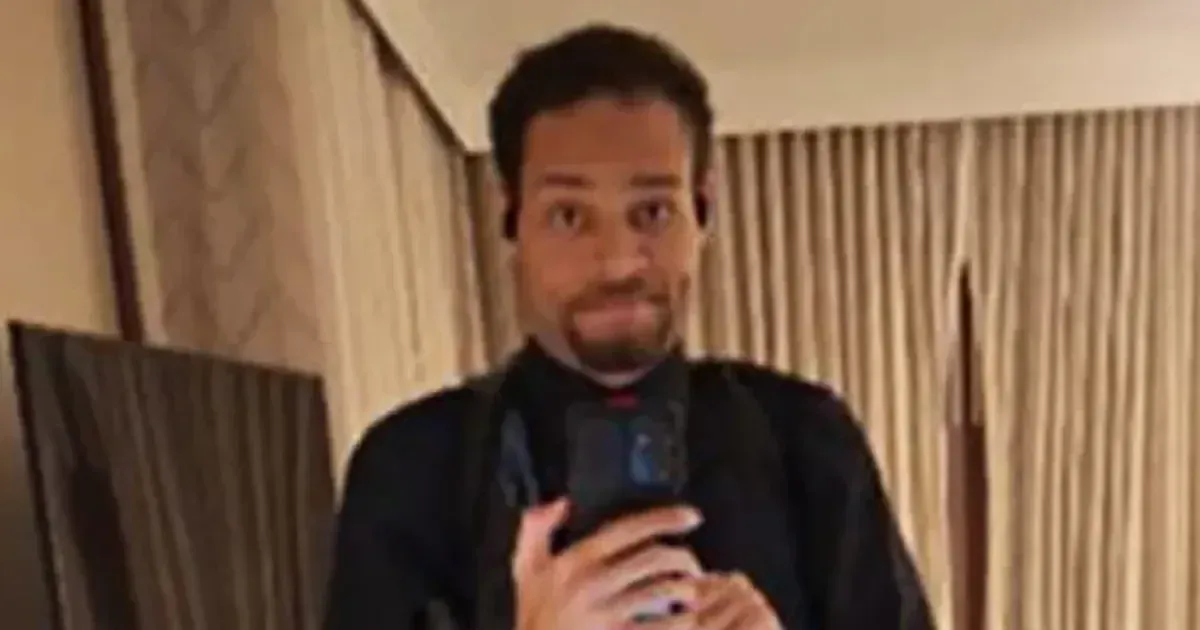
The WHCA dinner case is now moving from a security breach narrative into a formal assassination prosecution. Federal prosecutors finalized detention arrangements for the suspect accused of firing shots outside the annual media gala in the nation's capital. Proceedings in Washington on April 30, 2026, confirmed that the individual will remain jailed while the case moves forward. Cole Allen, 31, faces three federal charges related to the gunfire that disrupted the White House Correspondents' Association dinner at the Washington Hilton last weekend. The case has drawn unusual scrutiny because the president, senior officials, journalists and security personnel were all near the event when the attack unfolded.
Court records and Justice Department statements describe the central count as an attempted assassination charge involving Donald Trump. Allen appeared in federal court and agreed to remain in custody, waiving a preliminary detention fight for now. The other counts cited by prosecutors involve interstate firearm transport and discharge of a firearm during a crime of violence. Prosecutors have framed the allegations as a planned attack, while defense filings have not yet tested the government's account in an evidentiary hearing.
Judicial Proceedings and Detention Conditions
Security protocols around the case remain unusually tight because the alleged target was a sitting president and the incident occurred near a heavily guarded public event. Officers returned the defendant to custody after the brief appearance, while federal investigators continued reviewing the weapons, travel history, hotel surveillance and electronic devices connected to the case. Reports from law enforcement sources have described a shotgun, handgun and knives, along with a hotel-room trail that investigators are using to reconstruct the hours before the shooting.
The suspect surrendered to the detention order without a contest.
That decision gives the defense time to review the initial evidence before a more detailed challenge. Prosecutors have described the suspect moving through the hotel before he was stopped by security officers, but the court process has not yet tested the full factual record. Investigators are also compiling witness statements from journalists, officials and security personnel who were near the Washington Hilton as the shooting unfolded. The timing matters because early detention hearings can force both sides to reveal more of their evidence than they may want to disclose at the start of a high-security prosecution.
Attempted assassination cases involving a president trigger federal priorities that often move faster than ordinary local firearms cases. Allen could face a life sentence if convicted on the primary charge, while the firearms counts carry separate penalties. For now, the indictment-style language remains an allegation, and the government still must prove intent and conduct in court. That distinction is especially important in a case where political shock, security failures and public speculation can easily outrun the evidence presented before a judge.
Impact on Donald Trump and the Electorate
Voters have reacted to the violence with concern, but early polling commentary suggests any sympathy effect may be limited. Analysts cited by Newsweek cautioned that a modest and fleeting boost would be unlikely to erase broader pressures on the president, including inflation data and ongoing international conflicts. The public condemnation of violence has not necessarily shifted the core grievances of Trump opponents. Campaign strategists are watching whether the incident changes turnout intensity among existing supporters rather than assuming it will move a large bloc of undecided voters.
Any "modest and fleeting" boost is "unlikely to overwhelm broader structural pressures," a polling expert told Newsweek.
Public interest remains fixed on the motive behind the shooting.
Investigators are combing through Allen's digital footprint to determine whether he acted alone or was influenced by extremist rhetoric. No evidence of a wider conspiracy has been presented in court filings. The Secret Service is also reviewing the security perimeter established for the dinner, because the ability of an armed suspect to reach a sensitive area near the event has prompted oversight questions. Those reviews are separate from the criminal case, but their findings could shape future security planning for media events, campaign appearances and official travel.
The detention agreement also reduces the chance of sensitive evidence being aired immediately in a contested bail hearing. If the defense later raises questions about mental competency, planning or intent, the pretrial phase could stretch well beyond the first court appearance. Federal judges in the District of Columbia are generally cautious in cases involving weapons and threats to government officials, making continued custody likely unless the factual record changes. The next key filings are expected to clarify how prosecutors connect the alleged travel, weapons possession and conduct at the hotel to the attempted assassination count.