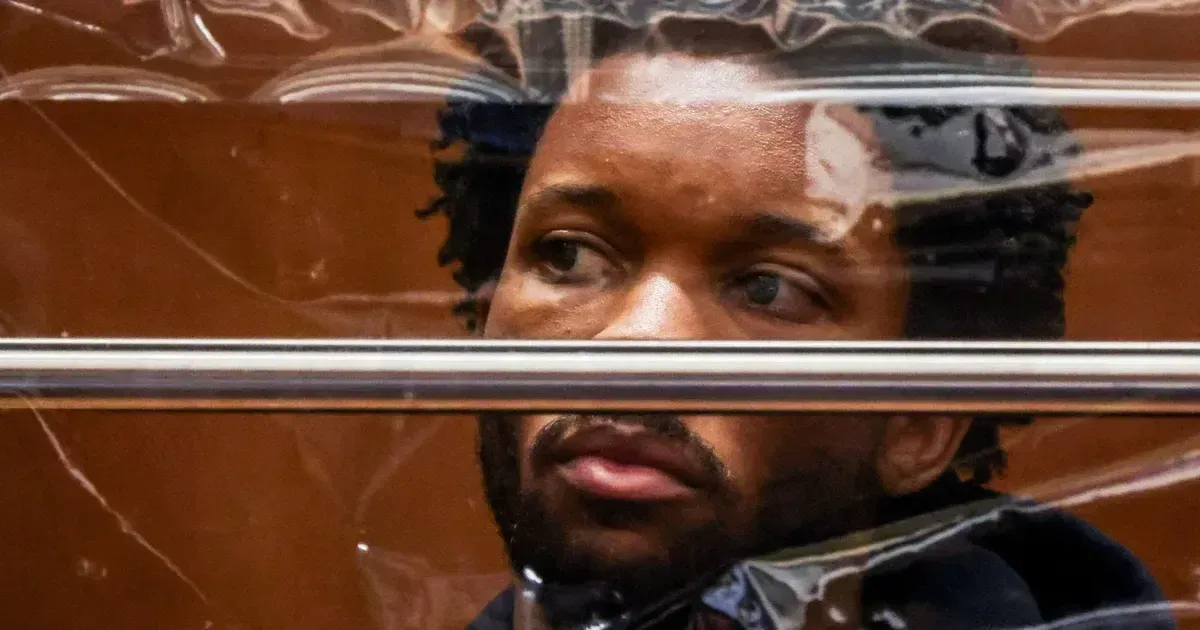
The D4vd case now turns on whether prosecutors can prove motive as well as violence. Los Angeles prosecutors allege that David Anthony Burke, the singer known as D4vd, killed 14-year-old Celeste Rivas Hernandez after she threatened to expose their relationship. A court filing made public on April 29, 2026, gave the first detailed account of how prosecutors say the killing and attempted concealment unfolded. Burke has pleaded not guilty, and his lawyers say he is innocent and did not cause the girl's death. The filing is a prosecution preview for a preliminary hearing, not a finding of guilt. Prosecutors said most evidence had not previously been described in public. The filing also identifies the April 2025 timeline prosecutors plan to present.
The filing says Burke met Rivas Hernandez when she was 11 and began sexually abusing her when she was 13 and he was 18. Prosecutors allege she later became upset about his relationships with other women and threatened to disclose damaging information about him. They say he decided to silence her before the disclosure could damage his music career and public image.
According to the prosecution account, Burke sent a rideshare vehicle to pick up Rivas Hernandez from Lake Elsinore on the night of April 23, 2025. The two exchanged messages until she arrived at his Hollywood Hills home, after which her phone went silent. Prosecutors allege he later sent a message asking where she was as part of an effort to cover up what had happened.
Evidence Described in the D4vd Filing
Authorities say the decomposing body of Rivas Hernandez was found in a Tesla SUV registered to Burke. Prosecutors say the remains were cut into pieces and placed in bags inside the vehicle after the killing. Medical examiners previously said she died from penetrating wounds, and the new filing alleges Burke stabbed her multiple times before taking steps to destroy and discard the body.
Hernandez was 14 years old when prosecutors say she was killed.
The filing also says investigators found evidence in Burke's phone and cloud accounts, including messages and child sexual abuse imagery. Prosecutors allege he bought two chain saws online and used them in his garage, where the girl's DNA was later found. They also say he made multiple trips to Lake Cachuma in Santa Barbara County to dispose of evidence, and that her passport was later recovered there.
AP reported that the case file was released as prosecutors prepare for a preliminary evidentiary hearing expected to begin May 26. At that hearing, a judge will decide whether prosecutors have shown probable cause, a lower standard than the burden needed for a conviction. The defense asked the court to seal the filing, but the judge declined. Proceedings regarding D4vd murder charges have drawn intense scrutiny because of the victim's age, the alleged relationship, and the graphic disposal claims.
Motive Linked to Career Risk
Prosecutors say Burke was concerned that disclosure of the relationship would end his career. The filing alleges Rivas Hernandez threatened to release information that would damage him personally and professionally. Prosecutors also describe messages that they say show jealousy, pressure, and the unequal nature of the relationship between an adult performer and a minor. That alleged threat is central to the prosecution's theory of motive, but it remains an allegation that must be tested in court.
"Knowing he had to silence the victim before she ruined his music career as she had threatened," prosecutors wrote in the filing.
Burke's lawyers have rejected the accusations and said the evidence will show he did not murder Rivas Hernandez. Their public position matters because the filing is not a verdict; it is the prosecution's outline of what it expects to prove. The preliminary hearing will give the defense an early chance to challenge witnesses, forensic claims, and the interpretation of digital records.
The D4vd Filing Must Still Survive Its First Evidentiary Test
Burke faces charges including first-degree murder, lewd and lascivious acts with a person under 14, and mutilating a dead body. Prosecutors have said he is eligible for the death penalty, but they have not decided whether to seek it. That leaves the immediate legal question focused on probable cause and whether the case should proceed to trial on the charged counts. If the judge allows the case to advance, later proceedings would address admissibility of digital records, forensic testing from the vehicle and garage, and any defense challenge to the timeline.
The prosecution will likely rely on the timing of the messages, the forensic evidence tied to the vehicle and garage, and the alleged disposal trips. The defense is expected to contest whether those facts prove Burke caused the death. Until a judge or jury resolves those questions, the strongest accurate framing is that prosecutors allege a career-protection motive while Burke denies responsibility. That framing also avoids treating the prosecution brief as established fact before witnesses are examined and physical evidence is tested in court.