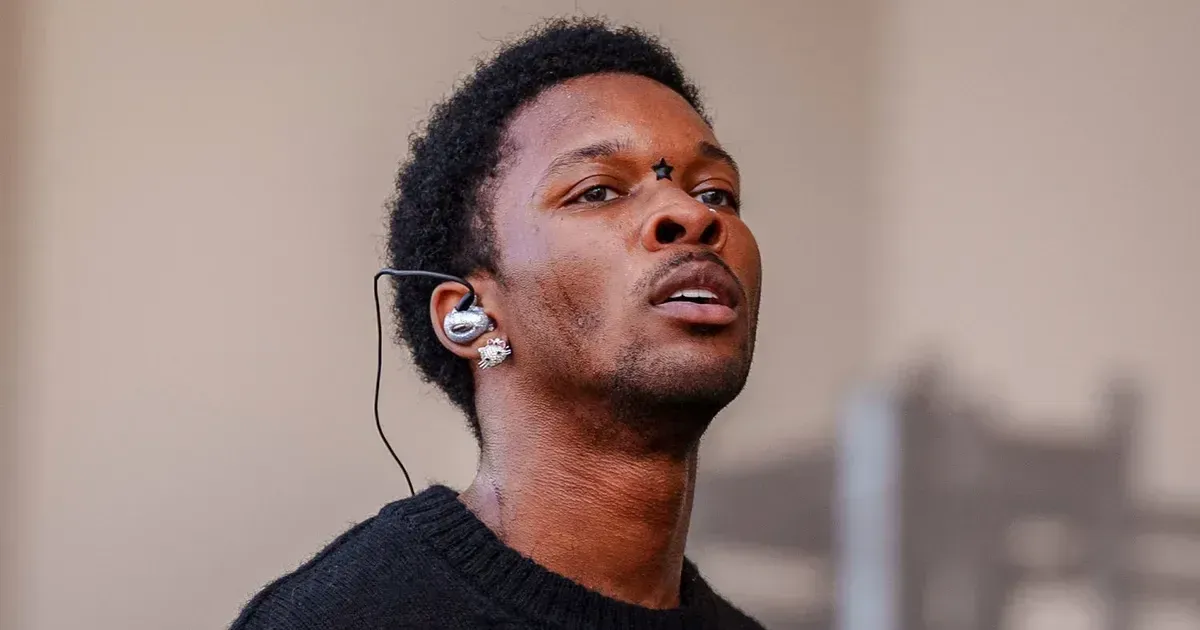
David Anthony Burke, the singer known professionally as D4vd, has been charged in the death of 14-year-old Celeste Rivas Hernandez.
The courtroom filing moved the case from public speculation into a formal criminal process. Reporters and fans had already been circulating claims that now have to be separated from admissible evidence. Prosecutors described the case in a California courtroom on April 20, 2026, while emphasizing allegations that still have to be tested through the legal process. Burke is presumed innocent unless convicted, and the charging documents begin a court fight rather than end one.
David Anthony Burke became widely known through streaming hits, which has made the criminal case draw attention far beyond Los Angeles.
Charges Filed in Los Angeles
The Los Angeles County District Attorney alleges that Burke killed Celeste Rivas Hernandez and that her remains were later found in a vehicle. Investigators have not answered every public question about the timeline, and more evidence is expected to emerge through filings and hearings.
The charge includes serious allegations, but the defense will have opportunities to challenge the evidence, witness statements, forensic claims and the prosecution's theory of the case.
That distinction is important in high-profile cases. Public reaction can move faster than the court record, especially when a defendant is already famous.
Victim Search Becomes Court Case
Rivas Hernandez had been reported missing before the case turned into a homicide investigation. For her family, the legal process is likely to be long, public and painful.
Prosecutors are pursuing a first-degree murder case, which means they will need to prove not only that Burke committed the killing, but that the legal elements for that charge are met beyond a reasonable doubt.
If convicted, Burke could face a severe prison sentence. If the evidence does not support the charge, the case could narrow, change or fail before trial.
Presumption and Public Attention
The court will now decide deadlines for evidence, motions and possible trial scheduling. The public attention surrounding D4vd may shape coverage, but it does not replace the burden prosecutors carry in court.
The case will now turn on evidence rather than celebrity. Investigators may rely on forensic testing, digital records, vehicle history, witness statements and timeline reconstruction. Each category can be challenged by the defense, and the court will decide what is admissible before a jury ever weighs guilt.
High-profile defendants create additional pressure for prosecutors because mistakes are amplified. They must explain the theory of the case clearly while avoiding statements that could prejudice proceedings. Defense attorneys, meanwhile, may argue that fame has encouraged assumptions unsupported by the record.
Rivas Hernandez's age also changes how the public receives the case. The death of a minor brings intense attention, but the legal system still has to move through evidence, motions and hearings at a pace that can feel slow to families and observers.
Burke's music career will likely remain part of the coverage, yet it is not the legal question. The question is whether prosecutors can prove the charged conduct beyond a reasonable doubt and whether the defense can undermine that proof. Until that process plays out, the most accurate language is narrow: Burke has been charged, prosecutors have made allegations, and a court will determine whether those allegations can be proven. The defense may also focus on the gap between suspicion and proof. In a homicide case, prosecutors must connect evidence to intent, timeline and legal elements of the charge. Public familiarity with a defendant does not lower that burden, and media attention can create issues for jury selection. For the victim's family, the process can be difficult because each procedural step may reopen details of the investigation. Courts move according to rules, not grief, and that can feel unsatisfying even when the system is functioning as designed. The safest way to follow the case is to separate confirmed court actions from online claims. Burke has been charged, prosecutors have outlined allegations, and future hearings will determine how much of that case survives legal challenge. The case will also test how platforms and fan communities handle criminal proceedings involving a popular artist. Streaming numbers, online loyalty and public statements can shape perception, but they do not determine admissibility or guilt. For now, the court record is the anchor. Future hearings should clarify the prosecution's timeline, the defense response and whether the case moves toward trial, plea discussions or a narrower set of charges. The legal process will also require careful language from everyone covering the case. The victim's age, the defendant's fame and the seriousness of the charge make speculation especially damaging. Confirmed filings, hearing dates and court rulings should remain the basis for any update. That restraint is necessary because the legal stakes and public attention are both unusually high. In a case this visible, precision is not caution for its own sake; it is the only way to keep the court record separate from rumor.