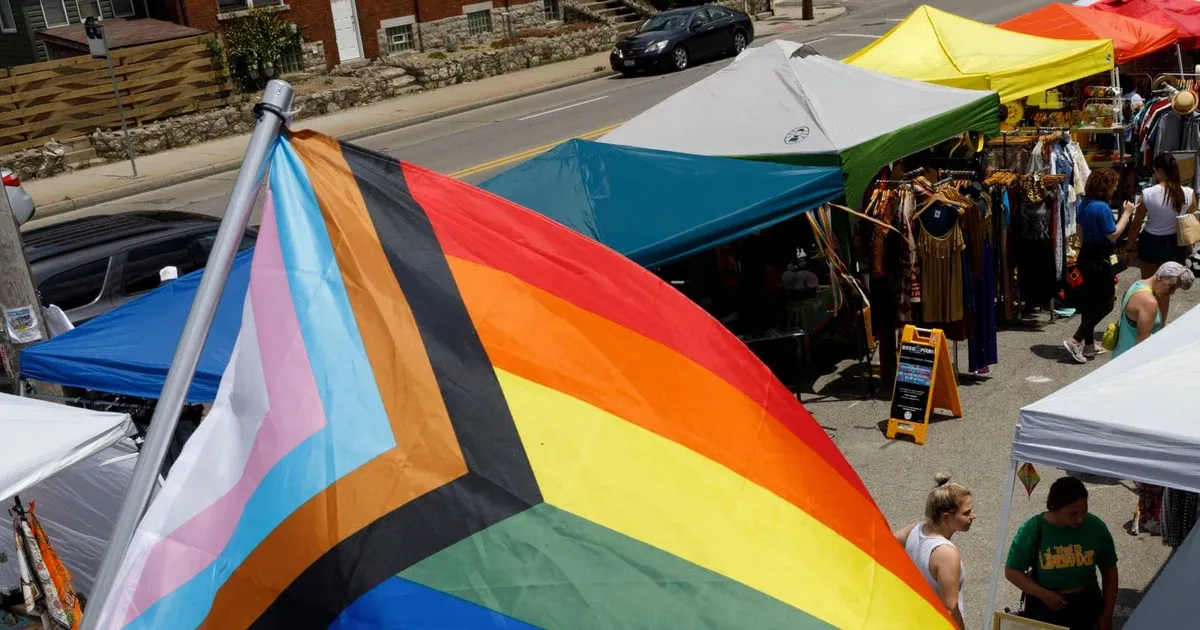
The Trump administration is moving to restart a specialized LGBTQ youth option on the 988 Suicide and Crisis Lifeline, but the plan has opened a new dispute because the Trevor Project may be excluded from the revived service. The nonprofit helped pioneer the “press 3” route for LGBTQ young people seeking crisis support.
The Guardian reported on Friday, June 26, 2026, that the administration’s restart effort could leave the New York-based organization outside the service it helped build. That makes the move more complicated than a simple restoration. It revives a mental health channel while raising questions about provider continuity, trust and political control over crisis care.
The 988 system is often described as the mental health counterpart to 911. For young people in acute distress, a specialized route can matter because callers may need counselors who understand family rejection, bullying, identity-related anxiety and fear of disclosure.
A Restart With A New Provider Fight
The Trevor Project has long been associated with suicide prevention work for LGBTQ young people in the United States. According to The Guardian, the group helped pioneer the dedicated option on the 988 Lifeline, but it may not be allowed to offer the service as the administration moves to restart it.
That distinction is central. Restarting the line can restore access on paper, but changing the provider can alter the experience for callers. Crisis hotlines rely on training, scripts, escalation rules, data systems and caller trust. A transition that appears administrative from Washington can feel much larger to the people expected to use the service.
The administration had initially ended the specialized option, according to the Guardian account. Its move to restart it suggests officials recognize the political and public health pressure around the service. But excluding the organization most closely identified with the program could keep the controversy alive.
For LGBTQ youth advocates, the issue is not simply institutional preference. It is whether the hotline will be staffed by people with specific experience in LGBTQ crisis intervention and whether young callers will believe the service is safe enough to use.
Why 988 Access Carries High Stakes
The 988 Suicide and Crisis Lifeline is intended to give people in mental health emergencies a direct route to support without requiring police or emergency-room contact as the first step. For teens and young adults, that early conversation can be decisive because many crises escalate in private before family members, teachers or doctors know what is happening.
The Guardian noted that the hotline has been credited with reducing teen and young adult suicide deaths. That claim helps explain why a specialized LGBTQ route became politically sensitive. Supporters see it as targeted prevention, while critics of identity-specific federal programs have treated it as part of a broader cultural fight.
Any interruption in service can create confusion. If callers remember a previous option and then encounter a changed menu, changed language or changed provider, some may hang up before reaching help. Hotline design depends on simplicity, especially for people who are frightened, isolated or in immediate distress.
The provider question also affects accountability. If the Trevor Project is excluded, federal officials will need to explain who will operate the service, what training standards will apply and how outcomes will be measured. Without those answers, a restart may not end concerns from mental health groups.
The Policy Test Is Trust
The revived service will be judged by more than whether the phone route exists. The real test is whether LGBTQ young people know it is available, believe it is confidential and reach trained support quickly when they call.
Trust also depends on outreach. Schools, clinicians, community groups and families need clear guidance on whether the specialized option is active, who answers it and what happens when a caller needs emergency intervention. A quiet restart would leave too much of that work to rumor and social media, where crisis information can quickly become fragmented.
That makes the administration’s decision about the Trevor Project more than a contract dispute. It is a test of whether a national crisis system can survive partisan changes without losing continuity for the people most likely to depend on it.