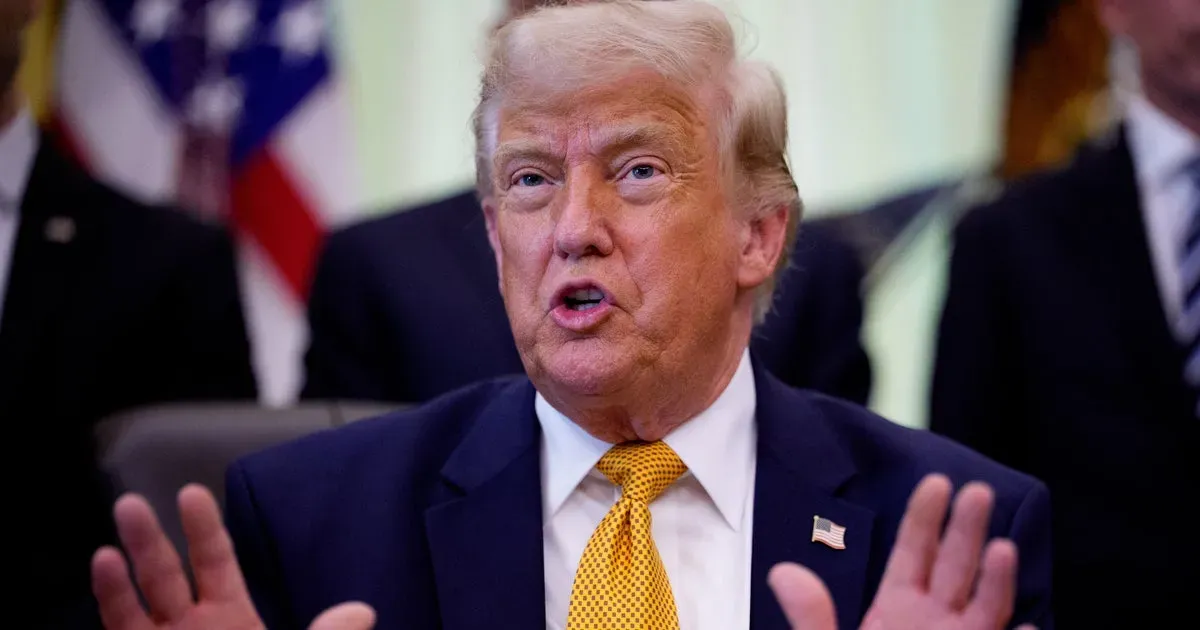
The Senate's vote on Iran war powers has given congressional Republicans a public way to show unease with President Donald Trump's handling of the conflict. The resolution is symbolic, but the politics around it are not.
CBS News reported that the Senate adopted a House-passed resolution aimed at reining in Trump on Iran, marking a rare rebuke of the president's war strategy from Congress.
The measure reflects a broader fight over whether the White House can continue military involvement without clearer authorization from lawmakers.
On June 25, 2026, the vote was already feeding tension inside the Republican Party, especially after Trump lashed out at senators who questioned his authority and the direction of the war.
A Symbolic Vote With Real Pressure
Iran war powers votes often carry more political force than legal force. They do not always end military action, but they force lawmakers to choose between party loyalty and Congress's constitutional role in decisions about war.
That choice is especially difficult for Republicans who broadly support Trump but are wary of open-ended conflict. Some senators want more information, a clearer diplomatic timetable and stronger assurances that U.S. military action is tied to defined objectives.
The vote also gives Democrats a way to frame the Iran conflict as a question of accountability rather than only foreign policy. If the administration cannot explain the endpoint, critics will argue that Congress has a duty to intervene.
The resolution does not end the Iran conflict, but it does make Republican discomfort harder to hide.
Trump Faces An Oversight Problem
Trump has treated congressional resistance as disloyalty, but the war powers debate is not only a personal fight. It is a structural dispute over how much room a president has to sustain a conflict after the immediate emergency has passed.
Congressional oversight becomes more important as the administration also pursues a diplomatic framework with Tehran. Iran nuclear inspections show that military pressure and diplomacy are now moving on parallel tracks.
That overlap complicates the White House argument. If the administration says talks are advancing, lawmakers may ask why war powers remain open-ended. If officials say military pressure is still essential, lawmakers may demand more detail about goals, costs and exit conditions. Either answer carries risk. A confident diplomacy message can make continued military authority look excessive, while a hardline military message can undercut the claim that a negotiated framework is within reach.
Why the Republican Split Matters
The vote matters because it shows that Trump's Iran policy is no longer only a partisan fight. When Republicans join oversight pressure, even symbolically, the White House loses the ability to portray every objection as Democratic obstruction. It also complicates the message to allies and adversaries, because foreign governments watch congressional votes for signs of whether a president can sustain a policy over time.
Republican dissent may remain limited, but it can still affect negotiations, spending bills and public confidence. Senators who supported the resolution can argue that they are defending institutional power rather than opposing the president's broader foreign policy goals.
The administration may dismiss the vote as political theater, and the resolution alone may not change battlefield decisions. Still, it creates a record that lawmakers can use if the conflict expands, costs rise or the diplomatic track falters. That record can matter later because war powers disputes often build through repeated votes, amendments and spending conditions rather than one decisive confrontation. Senators who backed the measure can point to a formal warning if the administration seeks more money or expands the mission without coming back to Congress. Senators who opposed it may face pressure to explain why they were comfortable leaving authority with the White House.
That is the deeper significance of the Senate action. It does not settle the Iran war powers fight, but it shifts the burden back toward the White House to explain why Congress should keep deferring on a conflict that has already strained party unity. The administration now has to manage two audiences at once: foreign partners watching whether the United States can sustain its position, and lawmakers who want a clearer account of costs, authorities and diplomatic aims. If those explanations remain vague, symbolic votes can become the foundation for harder funding fights, amendments and oversight hearings. The White House may still have enough support to avoid binding limits, but the political cost of ambiguity rises each time Republican senators publicly ask for more information. That is why the vote is best understood as an early pressure signal, not a final verdict on the conflict. It also gives senators a marker they can return to if casualty figures, oil prices or diplomatic setbacks make the war harder to defend in their states during the next funding debate or classified briefing cycle as the conflict and negotiations continue.