The Trump administration has opened a review of the California Coastal Commission and other powerful state coastline watchdogs, according to the Los Angeles Times. The move reopens a familiar fight over who controls development, environmental review and energy-related decisions along one of the country’s most valuable shorelines.
The California Coastal Commission is politically important because it sits at the point where property rights, public access, conservation, climate risk and offshore industry all collide. A federal review does not automatically change California’s coastal rules, but it signals that Washington is again testing the state’s authority over decisions that can block or reshape major projects.
For California, the issue was larger than one agency by June 26, 2026, as coastal oversight again became a proxy for housing, energy and environmental authority. Coastal oversight affects housing proposals, sea-wall disputes, oil and gas infrastructure, ports, wetlands, beaches and access routes. That makes the commission a frequent target for developers and federal officials who see state review as too restrictive, and a key defender for environmental groups that see the coast as a public resource.
Federal Review Targets A Powerful State Gatekeeper
The Los Angeles Times reported that the administration’s review includes the Coastal Commission and other state coastline watchdogs. The phrase matters because California’s coastal system is not only a single board. It is a network of permits, local coastal plans and state-level review that can shape what gets built and under what conditions.
A review can serve several purposes. It can gather evidence for policy changes, pressure an agency publicly or lay groundwork for litigation. It can also become a political message to industries and local officials who believe federal authority should play a larger role in coastal decisions.
The commission’s defenders will likely argue that California’s coastline requires strong oversight because development decisions can permanently affect beaches, habitats and public access. Critics will likely frame the same oversight as a barrier to infrastructure, energy production and private investment.
Coastal Permits Carry National Stakes
California’s shoreline fights often look local, but the stakes can be national. Offshore energy, port activity, climate adaptation and housing supply all intersect with coastal permitting. A decision about one project can become a precedent for how much power states can exercise when federal priorities point in another direction.
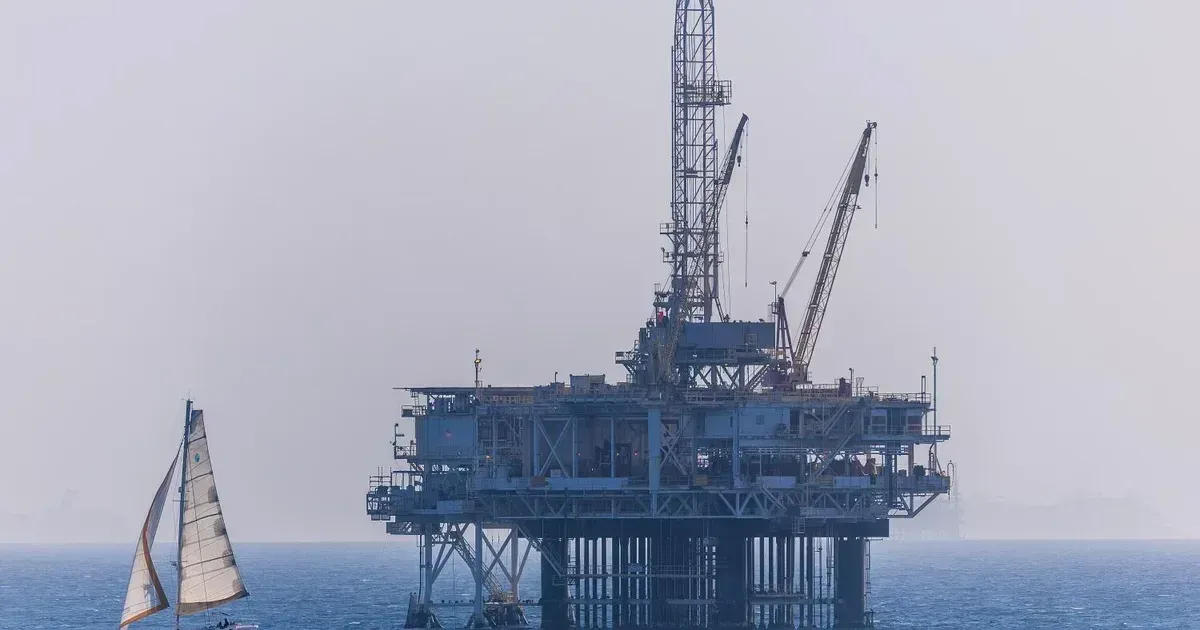
The image of offshore platforms is a reminder that the coast is not only a recreational setting. It is also an energy and infrastructure zone. Federal officials may view state review as an obstacle to projects they consider strategically or economically important, while state officials may argue that local environmental consequences cannot be brushed aside.
The review also lands in a broader political environment where California has repeatedly clashed with the Trump administration over environmental and regulatory authority. Coastal policy gives that conflict a concrete setting because permits can determine whether projects move, stall or disappear.
The Legal Fight May Come Later
The immediate impact may be uncertainty. Developers, local governments and environmental groups will watch for whether the review produces recommendations, enforcement action or a court challenge. Until then, the commission’s formal power remains in place, but the political pressure around its decisions may increase.
If Washington challenges California’s role, the dispute could test the balance between federal interests and state coastal management. That balance has shaped U.S. shoreline policy for decades, and any shift would be closely watched by other coastal states.
The practical question is whether the review changes project behavior before any legal outcome. Agencies under federal scrutiny can become more cautious, while applicants may try to revive proposals they believed were blocked by state resistance. In that sense, the review is already part of the power fight, even before it produces a formal result.