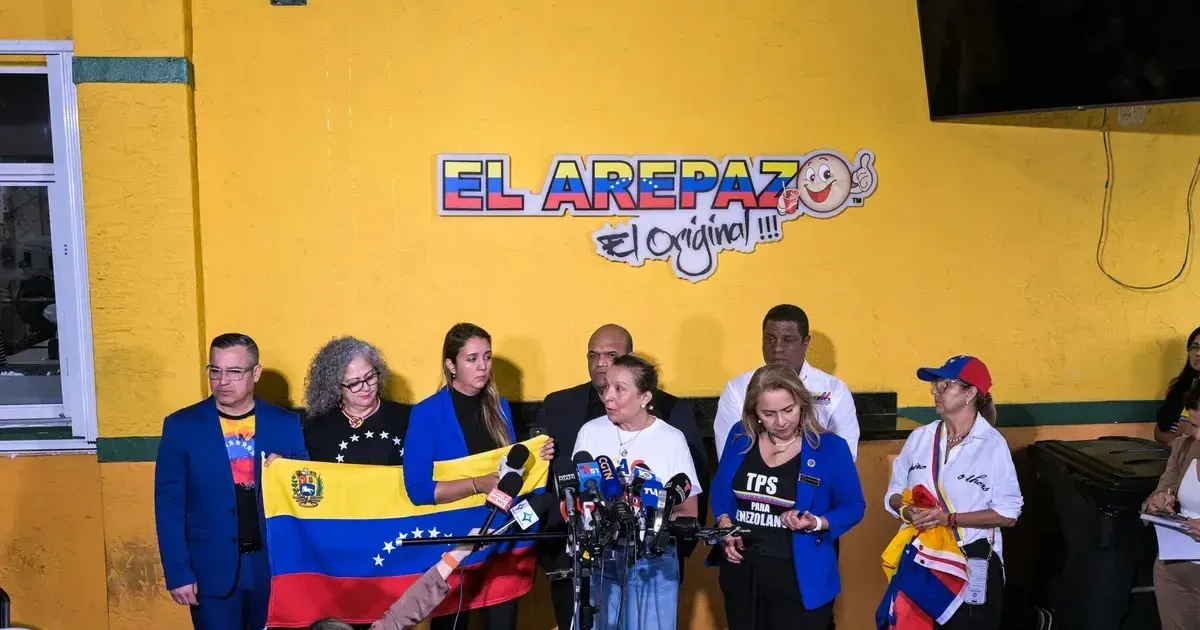
Justices on the Supreme Court heard arguments over the Trump administration's effort to end humanitarian protections for migrants from Haiti and Syria. The hearing took place on April 29, 2026, and focused on whether courts may review decisions by the Department of Homeland Security to terminate Temporary Protected Status. Government lawyers argued that the statute leaves those judgments to the executive branch. Lawyers for TPS holders said the administration skipped required procedures and failed to weigh dangerous conditions in the affected countries.
The dispute affects hundreds of thousands of people who have lived and worked legally in the United States under Temporary Protected Status. TPS allows nationals of designated countries to remain in the U.S. when war, natural disaster, or extraordinary conditions make return unsafe. The current cases involve protections for Haitians and Syrians, but the legal question could shape how future administrations cancel or extend similar designations. The court has not issued a final ruling on the merits.
Executive Discretion and Judicial Review
The administration's core argument is that Congress gave the homeland security secretary broad authority over TPS and limited judicial review of those decisions. Solicitor General D. John Sauer told the court that the temporary nature of the program matters and that policy accountability belongs mainly to the political branches. The government also argues that conditions in Haiti and Syria have changed enough to justify ending the designations, despite continuing instability and humanitarian warnings.
Attorneys for the migrants framed the case differently. They argued that the statute still requires the government to follow specific procedures and to make reasoned decisions based on country conditions. Lower courts had blocked fast termination of the protections after finding potential procedural flaws and discrimination claims. The TPS holders say that if the Supreme Court accepts the government's view, federal agencies could cut off protection first and leave affected families with little practical remedy later.
The practical stakes are immediate. Haitian and Syrian TPS holders include people with jobs, families, mortgages, and U.S.-born children. Advocates say many cannot safely return because Haiti remains affected by gang violence and political instability, while Syria still faces severe humanitarian and security challenges. The administration says the program was never designed to become a long-term residency system and that DHS must retain flexibility to end designations when it decides conditions no longer warrant them.
The record before the court also includes competing views of what counts as a sufficient country review. Migrants argue that DHS cannot rely on broad policy preferences while ignoring current violence, displacement, and limited public services. The government responds that the secretary may weigh foreign policy, enforcement capacity, and changing conditions without having every judgment second-guessed by district courts. That disagreement is why the case reaches beyond one immigration category and into the structure of administrative review.
Lower Courts and Immigration Policy
The case also tests how much power lower courts have to slow major immigration changes while litigation continues. Nationwide or broad injunctions have repeatedly frustrated presidents from both parties, and the current Supreme Court has shown skepticism toward orders that freeze federal policy across the country. If the justices side with the administration, district judges may have less ability to preserve TPS protections while they examine whether the government followed the law.
Both sides agree that timing matters. A final decision months from now could arrive after work permits, legal status, and planning deadlines have already shifted for affected migrants. That is why the procedural question is more than technical. For families covered by TPS, the difference between a stay and immediate termination can determine whether they keep jobs, avoid deportation risk, and remain with relatives in the United States.
The court's eventual decision could influence other humanitarian and immigration programs that depend on executive findings. A narrow ruling might address only Haiti and Syria. A broader ruling could give DHS stronger language for ending other TPS designations while limiting the role of federal judges. The result will also guide agencies when they draft future termination notices, compile country-condition records, and decide how much explanation is needed before work authorization and deportation protection end. Until the justices rule, the hearing signals a central conflict in immigration law: whether temporary protection decisions are mainly political judgments or agency actions that courts can meaningfully review.