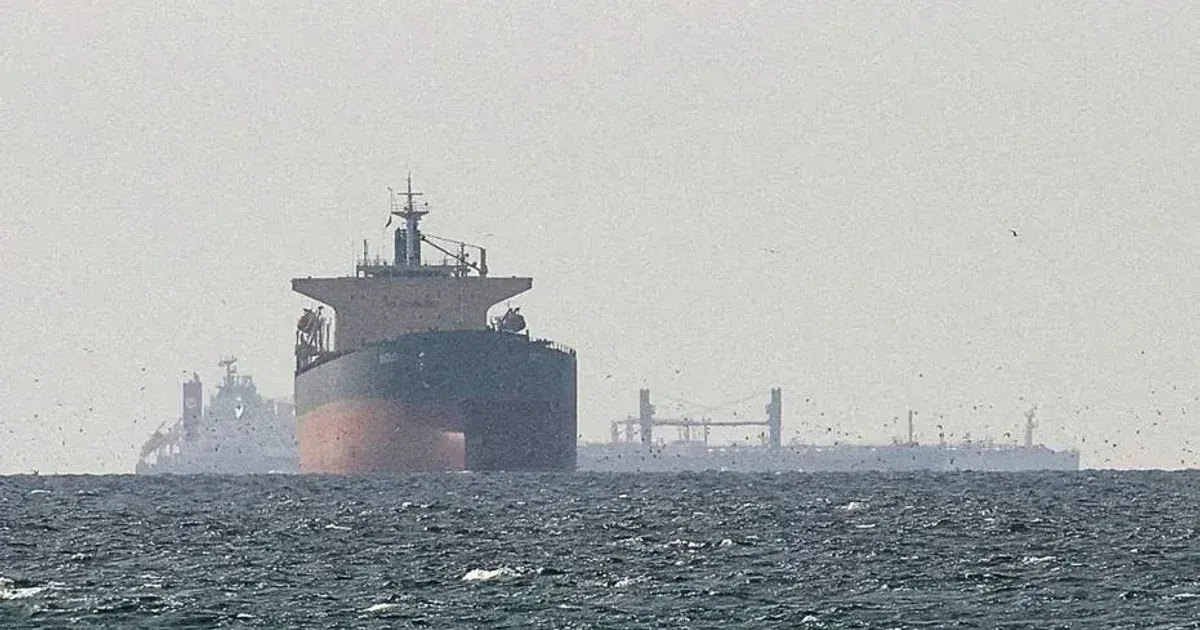
The Hormuz blockade has become the central lever in Trump's demand for Iranian nuclear concessions. Washington is using maritime pressure to force a decision that diplomacy has not produced. President Donald Trump said the United States would keep pressure on Tehran until Iran gives up any path to nuclear weapons. His latest remarks kept the Strait of Hormuz blockade at the center of Washington's war strategy. Records and source reports released on April 30, 2026, tied the standoff to rising fuel costs, a growing Pentagon bill and a looming War Powers deadline. Defense Secretary Pete Hegseth also faced questions on Capitol Hill as lawmakers pressed for clearer limits on the operation.
Rising Costs and Legislative Friction
Fox News linked Hegseth's Senate testimony to a reported $25 billion price tag and the 60-day War Powers clock. That framing has sharpened the argument over whether the blockade can continue without a clearer vote from Congress. Some Republicans have backed the administration's pressure campaign, while critics in both parties want a more specific explanation of cost, duration and legal authority.
Hegseth has defended the naval posture as leverage against Tehran rather than a permanent end state. Lawmakers remain divided over whether economic pressure on Iran is worth the effect on energy markets and federal spending. Oil traders are watching the same political signals because even limited changes in Hormuz traffic can move prices quickly.
Energy markets briefly reached a wartime high after reports said the White House was weighing additional strikes on Iranian targets. The NY Post source described that price move as temporary, but the reaction showed how sensitive crude benchmarks remain to military planning. Trump has tied any easing of the blockade to Iran's nuclear position, leaving traders to price both diplomacy and escalation at once.
Naval Blockade and Technological Escalation
A Fox News newsletter also highlighted an alleged $800 million oil-smuggling scheme as part of the pressure on Tehran. The report presented the case as evidence that Iranian-linked networks are trying to move around sanctions and maritime controls. Officials have not publicly laid out every investigative detail, so the safest reading is narrower: enforcement agencies are treating shadow shipping and clandestine transfers as a major test for the blockade.
The administration's aggressive policy was outlined earlier when Defense Secretary Pete Hegseth warned of further naval escalation. Trump put the nuclear demand in blunt terms during his briefing, saying there would be no agreement unless Iran accepted that it would have no nuclear weapons. That line has become the core condition attached to any reduction in maritime pressure.
"At this moment, there will never be a deal unless they agree that there will be no nuclear weapons," Trump stated during his briefing.
Military planners are also reviewing the possible use of Dark Eagle hypersonic missiles for an Iran contingency, according to the Fox News roundup. Such weapons can travel at speeds above Mach 5, but source reporting described the issue as a possible deployment rather than a final order. Any move in that direction would be read across the region as a sharper offensive signal, especially while the blockade remains active.
Diplomatic Fractures and European Security
Berlin has become another pressure point after reporting that Trump weighed pulling US troops from Germany during a clash with the chancellor over the Iran war. European governments have been uneasy about the blockade's effect on trade and fuel costs, even as Washington asks allies to support enforcement. Germany's position matters because troop basing there remains central to US operations across Europe and beyond.
National security advisers have framed any relocation as a way to put resources where Washington sees the highest need. Opponents warn that moving forces during an Iran crisis could weaken alliance cohesion and hand adversaries a political opening. Other European capitals are likely to watch the dispute closely because the issue blends Iran policy with the larger question of NATO burden-sharing.
Legal challenges could also grow as the administration approaches the War Powers deadline. White House lawyers are expected to argue that the blockade is a defensive or enforcement measure, while congressional skeptics may treat the scale of the operation as requiring explicit authorization. Funding, troop posture and legal authority are therefore moving through the same political channel.
The Hormuz Blockade Is Straining Congress and NATO at the Same Time
Economic pressure can sometimes create negotiating leverage, but it also narrows the path for compromise when public red lines are stated in absolute terms. By tying maritime restrictions to Iran's nuclear position, the White House has made the blockade a test of both military endurance and diplomatic discipline. Tehran may face pressure from lost revenue, yet Washington faces its own pressure from fuel prices, congressional scrutiny and allied unease.
The dispute with Germany shows that the cost of the conflict is institutional as well as financial. A troop-withdrawal threat, even if never carried out, can unsettle planning inside NATO at the same moment the United States is asking partners to hold firm on Iran. For now, the success of the pressure campaign will be measured less by rhetoric than by whether oil prices stabilize, Congress accepts the legal case and Tehran returns to negotiations without another military escalation.