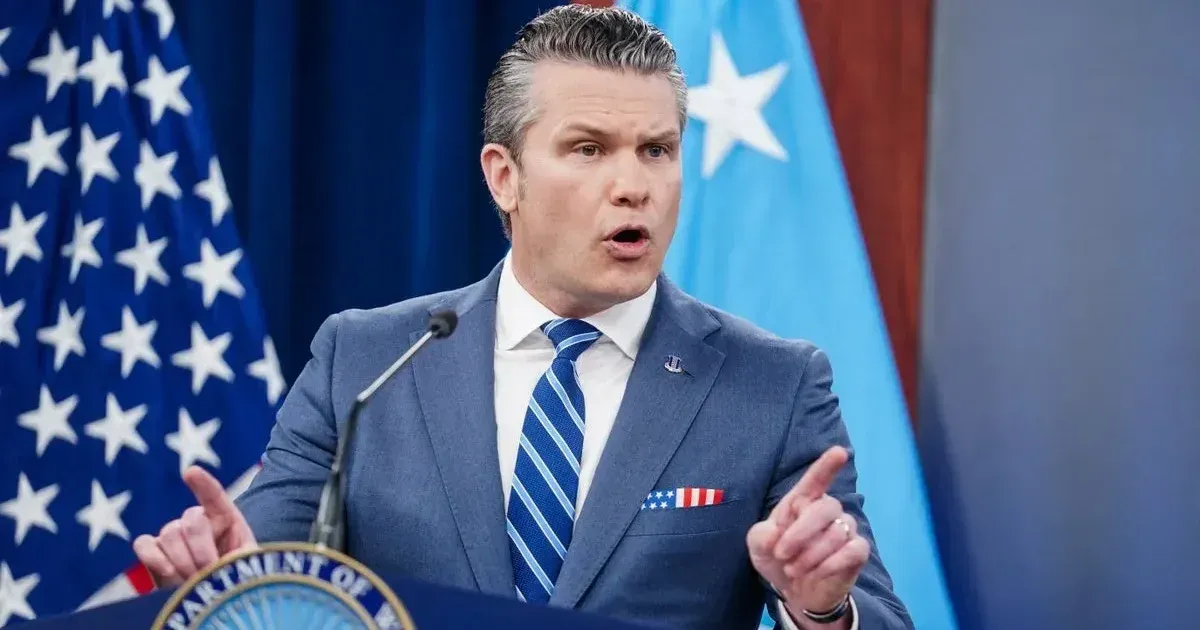
Pete Hegseth’s Iran warning pushed blockade language back into the center of policy. Pete Hegseth, the United States Secretary of Defense, declared on April 16, 2026, that the Pentagon will maintain an indefinite blockade of Iranian ports until Tehran accepts American terms for a permanent ceasefire. Hostilities have currently entered the fifth day of a scheduled ten-day pause, yet the rhetoric emanating from the Pentagon suggests military operations may expand sharply if negotiations fail. Analysts in London and Washington note that the current standoff represents the most volatile period in Middle East relations since the turn of the century. Hegseth stood before a room of international journalists to deliver a briefing that merged military strategy with theological condemnation. Reporters present questioned the legality of targeting civilian energy grids, prompting a sharp rebuke from the Secretary. Washington continues to demand the total dismantling of Iranian missile sites as a requirement for lifting the naval cordons.
"If Iran chooses poorly, then they will have a blockade and bombs dropping on infrastructure, power and energy," Hegseth told a news conference at the Pentagon.
Pentagon Expands Iranian Port Blockade Strategy
Naval assets have already restricted access to the Strait of Hormuz, cutting off the primary export route for Iranian crude. Strategic planners believe this economic strangulation will force the Islamic Revolutionary Guard Corps to the bargaining table.
This blockade will restrict not only military hardware but also dual-use technology and heavy industrial components. Vessels from the Fifth Fleet are currently intercepting cargo ships in international waters to enforce these mandates. Military officials confirmed that surveillance drones are monitoring the coastline for any signs of blockade-running or clandestine shipments. Tehran has responded by threatening to target commercial shipping in the Gulf of Oman. Oil markets reacted to the announcement with immediate volatility, pushing prices toward record levels. Domestic critics of the administration argue that a prolonged naval siege could provoke a broader regional fire involving neighboring powers.
Iran maintains that its maritime sovereignty cannot be surrendered under duress. Diplomatic efforts in Geneva have so far failed to produce a viable plan for de-escalation.
Intelligence reports suggest that the Iranian leadership remains divided on how to proceed. Hardliners within the government advocate for a total withdrawal from the ceasefire agreement to resume enrichment activities. Moderate factions, by contrast, fear the total collapse of the domestic economy if the blockade persists through the summer. Resistance from the Iranian public has surfaced in the form of small-scale protests against rising food prices. Defense officials in the United States claim that the naval presence is a necessary tool of statecraft. 40 days of kinetic operations have yet to produce the decisive victory initially promised by the administration. Hegseth insists that patience is required to see the full impact of the economic pressure.
Media Hostility and the Pharisees Rant
Conflict between the Department of Defense and the press corps reached a boiling point during the Thursday afternoon session. Hegseth explicitly attacked the integrity of journalists covering the front lines, accusing them of providing comfort to the enemy through biased reporting. He described the gathered media as Pharisees, a biblical reference intended to frame their scrutiny as hypocritical and legalistic. Religious terminology has become a recurring feature of the Secretary's public addresses since his appointment. Journalists asked for clarification on the rules of engagement regarding civilian infrastructure, a query Hegseth dismissed as unpatriotic.
Press freedom advocacy groups in the U.K. and U.S. issued statements condemning the language used by the Defense Secretary. One reporter from the Associated Press noted that the Pentagon has restricted access to battle damage assessments. Hegseth argued that revealing such data would compromise operational security during the delicate ceasefire window. The Secretary's staff later clarified that his comments reflected a personal frustration with what he considers unfair portrayals of American soldiers. Coverage of the war has frequently highlighted the disparity in technological capabilities between the two nations.
Communication between the military and the public has become increasingly strained. Official channels now prioritize direct social media broadcasts over traditional press conferences. Independent analysts observe that this shift allows the Pentagon to bypass critical questioning. Hegseth concluded his remarks by suggesting that the media should focus on the moral clarity of the American mission. The briefing ended abruptly after less than twenty minutes of interaction. Tensions in the briefing room were described by witnesses as the highest in recent memory. No further press availability has been scheduled for the remainder of the month.
Forty Days of Attrition in Tehran
Military operations have settled into a grinding cycle of drone strikes and retaliatory cyberattacks. Initially, the United States planned for a rapid decapitation of Iranian command structures. Local defense networks proved more resilient than American intelligence had anticipated. Iran has successfully used mobile air defense systems to protect key assets in the country's interior. The estimated cost is $140 billion of the campaign to date, according to preliminary budget office figures. This figure includes the deployment of carrier strike groups and the replenishment of precision-guided munitions.
Logistics officers report that the high tempo of sorties is straining the supply of specific missile variants. Tehran has countered with a strategy of asymmetric warfare, using fast-attack boats and suicide drones. American casualties have been limited, but the psychological toll on personnel is a mounting concern for the Joint Chiefs. Planners, however, did not expect the conflict to persist into its second month without a clear exit strategy. Recent strikes on Iranian power plants have left large sections of the capital without reliable electricity.
Civilian hospitals in the region report severe shortages of medical supplies due to the naval restrictions. Military commanders insist that these measures are intended to degrade the regime's ability to sustain the war effort.
Military Miscalculation and Intelligence Failures
Washington overestimated its leverage when the first missiles were launched in early March. Historical data on Iranian resilience suggests that foreign intervention often strengthens domestic support for the clerical regime. Intelligence analysts incorrectly predicted that a rapid air campaign would trigger a popular uprising against the government. Instead, the population has largely rallied around the flag despite foreign aggression. The 40-day campaign has exposed gaps in the Pentagon's understanding of Iranian subterranean facilities. Many of the most critical military assets were moved to hardened bunkers years ago.
Regional allies have expressed private concerns about the lack of a post-war stabilization plan. France 24 reported that European diplomats are distancing themselves from the blockade strategy. The Biden-era nuclear deal is now considered entirely defunct by all parties involved. Hegseth argues that the previous administration's policies allowed Iran to build the very infrastructure the U.S. is now forced to destroy. Critics point out that the current administration failed to build a broad international coalition before initiating the strike. The war has effectively isolated the United States from its traditional partners in Brussels.
Military planners are now preparing for a long-term presence in the region. Security at American bases in Iraq and Syria has been increased to the highest alert level.
Blockade Threats Raise the War Risk
Hegseth’s threat makes the cease-fire conditional on Iran accepting U.S. demands while leaving open renewed attacks on energy and power infrastructure. That approach may increase pressure on Tehran, but it also raises legal, humanitarian and regional-escalation risks.
The blockade’s effectiveness will depend on enforcement, international support and whether economic damage changes the decisions of Iranian leaders. Civilian shortages and higher oil prices can intensify without producing the political concessions Washington seeks.
The remaining five days of the announced pause are therefore a narrow diplomatic window. If talks fail, the Pentagon’s public position points toward a longer blockade and additional strikes rather than a defined route out of the 40-day conflict.