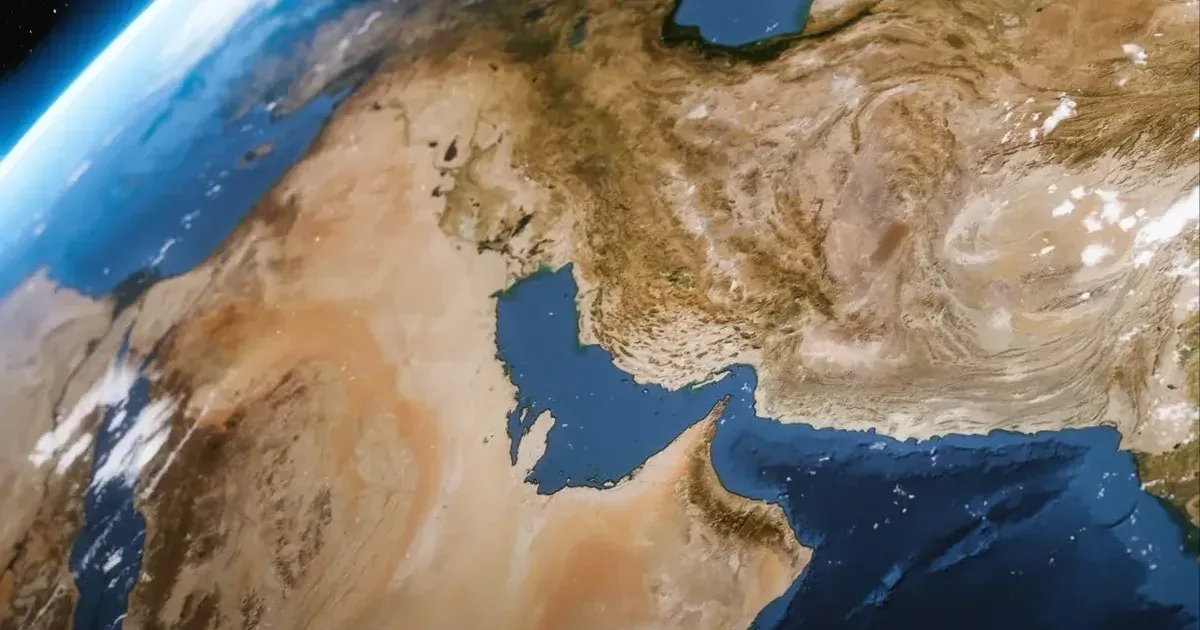
A tanker transit through Hormuz challenged the credibility of the U.S. maritime blockade. The incident matters because energy markets respond to what ships can actually do, not only to naval statements. On April 17, 2026, the oil tanker AVA 6 traversed the Strait of Hormuz, ignoring a United States maritime blockade intended to isolate Iranian exports. Hong Kong authorities have not issued a formal statement regarding the vessel, though maritime tracking data suggests the move was a calculated challenge to Western naval enforcement. Conflict in the region has reached a state of near-total paralysis, with both Tehran and Washington maintaining overlapping exclusion zones that have effectively severed one of the world's primary energy arteries.
Data provided by Mingkun Technology, a Chinese maritime analytics firm, confirms the vessel departed from a port in the United Arab Emirates on April 15, 2026. Tracking logs indicate the tanker crossed the narrowest point of the strait between 4:00 a.m. and 2:00 p.m. local time on Thursday. Intelligence analysts view this successful passage as a signal that non-aligned shippers are willing to risk seizure or kinetic engagement to maintain the flow of crude oil. Commercial vessels have largely avoided these waters for weeks, fearing the consequences of the dual blockade policy currently enforced by opposing naval task forces.
Hong Kong Tanker Navigates Contested Waters
Mingkun Technology analysts observed the vessel moving into the Gulf of Oman shortly after it exited the strait. This specific maneuver demonstrates a meaningful lapse in the efficacy of the current U.S. naval cordon. While the U.S. Fifth Fleet has successfully intercepted multiple smaller dhows and cargo ships in previous weeks, the size and flag of the AVA 6 present a more complex diplomatic hurdle for American commanders. Seizing a Hong Kong-flagged ship risks a direct confrontation with Beijing at a moment when global trade stability is already fracturing.
Technical reports suggest the AVA 6 may have used sophisticated transponder manipulation or traveled within a corridor deemed too sensitive for active military intervention. Navigating these waters requires precision, as any deviation from the deep-water channels can lead to grounding or accidental entry into Iranian territorial limits. The vessel currently sits in the open waters of the Arabian Sea; its destination remains unconfirmed by official sources. Global shipping insurance premiums for vessels entering the Gulf have surged by 400% since the blockades began.
Double Blockade Triggers Global Energy Volatility
Dual enforcement actions by the United States and Iran have created a vacuum in the global oil supply chain. Tehran initiated the crisis by threatening to close the strait to all traffic, prompting a retaliatory blockade by the U.S. aimed at preventing Iranian oil from reaching international markets. Market analysts describe the resulting situation as the most severe oil price shock in modern history. Crude prices spiked to record levels within hours of the first blockade announcement, and the successful breach by the AVA 6 has only added to the market's unpredictability.
Supply chains across Europe and Asia are feeling the immediate impact of these maritime restrictions. Refineries in South Korea and Japan have reported serious drawdowns in their strategic reserves. Rising energy costs have already translated into higher consumer prices across the United Kingdom and the United States. International energy agencies warn that the continued closure of the Hormuz route could lead to a permanent reduction in global GDP growth for the fiscal year. Security experts suggest the U.S. blockade aims to drain the Iranian treasury, but the secondary effects on allied economies are becoming difficult to manage. The ongoing U.S. naval blockade remains the primary catalyst for the current volatility in energy markets.
Paris Summit Gathers Non-Belligerent Nations
French President Emmanuel Macron and British Prime Minister Keir Starmer opened an emergency summit in Paris on April 17, 2026, to address the maritime shutdown. Around 40 nations, identifying themselves as non-belligerents, joined the talks to find a diplomatic exit from the standoff. Many participants joined the session via video conference as the logistics of international travel become more burdened by rising fuel costs. These nations are attempting to forge a third way that secures the strait without requiring participation in the U.S.-led military coalition or the Iranian defensive pact.
The French and British governments intend to focus on strictly defensive and diplomatic measures to ensure the safe passage of commercial vessels through international waters.
Observers note that the Paris meeting represents the latest effort by sidelined nations to reduce a conflict they did not initiate. France and the United Kingdom have both expressed a desire to avoid direct military involvement while simultaneously protecting their respective economic interests. This diplomatic track faces meaningful opposition from hardliners in both Washington and Tehran. Both capitals have signaled that anything less than a full withdrawal of the opposing blockade is unacceptable. The summit participants are currently drafting a proposal for a neutral maritime corridor monitored by a multinational civilian agency.
Rising Risks for Commercial Maritime Logistics
Maritime security firms are advising clients to maintain a minimum 50-mile distance from the strait until the Paris summit concludes. The presence of mines, fast-attack craft, and drone surveillance makes any transit inherently dangerous. Even with the successful passage of the AVA 6, the majority of shipping firms are choosing the longer, more expensive route around the Cape of Good Hope. This detour adds approximately 14 days to the journey between the Middle East and European ports, further straining the availability of empty containers and tanker hulls. Shipping capacity has plummeted as a result.
Logistical failures are mounting at major transshipment hubs. Ports in Singapore and Rotterdam are reporting delays as schedules are rewritten to accommodate the longer transit times. Smaller shipping companies face the prospect of bankruptcy if the blockade persists through the summer months. Military analysts in London believe the AVA 6 passage might encourage other bold operators to attempt the crossing, potentially leading to a chaotic scramble that naval forces may struggle to control. The lack of a unified command structure in the Gulf of Oman increases the probability of a miscalculation that could trigger a wider regional war. Current satellite imagery shows a build-up of naval assets on both sides of the maritime boundary.
Hormuz Blockade Enters Maritime Anarchy
Expecting a group of forty middle-tier powers to solve the world's most volatile maritime standoff is the height of European delusion. Macron and Starmer are performing for a domestic audience that is terrified of the energy bills arriving this winter, yet they lack the naval hardware or the political stomach to challenge either the American or the Iranian position. Their talk of defensive measures and neutral corridors is a linguistic sedative designed to mask their total lack of leverage in a conflict dictated by raw military force and existential national interests. Diplomacy in this context is just a more polite form of surrender.
The successful transit of the AVA 6 exposes the U.S. blockade as a porous and primarily symbolic theater. If a single tanker can slip through the net, the entire premise of a total economic strangulation of Iran collapses. Washington now faces a humiliating choice: they must either sink a civilian vessel flying the flag of a Chinese territory or admit that their blockade is a paper tiger. Neither option provides a path to victory. The incident proves that the era of uncontested American maritime hegemony is over. Global trade is now subject to the whims of any regional power willing to mine a chokepoint. The West has lost the initiative.
Total collapse of the Hormuz security architecture is no longer a theoretical risk. It is the current reality. While the Paris summit issues its inevitable and toothless communiqué, the actual fate of global trade will be decided by bridge captains and naval commanders acting on incomplete intelligence. The world has moved beyond the point where a few signatures on a French document can restore the status quo. We are entering a period of prolonged maritime anarchy. Expect higher prices and empty shelves.