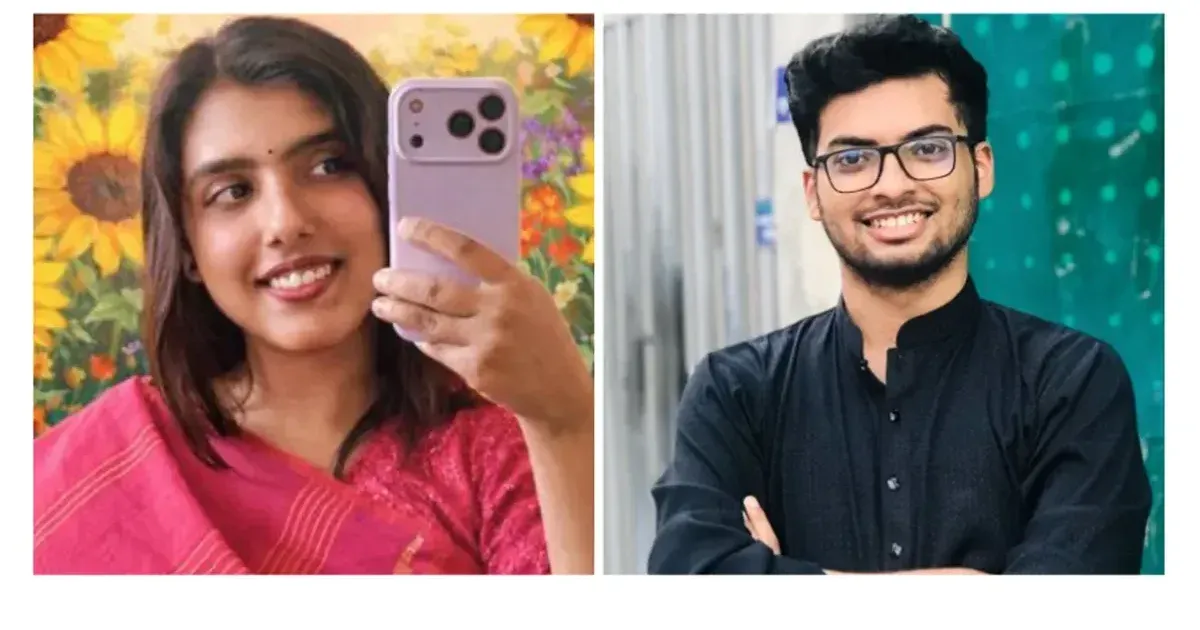
Tampa investigators have now connected two missing USF students to separate discoveries of human remains. The identification gives one family an answer while leaving another case under close review. Police are trying to explain the timeline without overstating what the evidence can show. The university community is still absorbing the scale of the losses. Tampa detectives confirmed the identity of human remains found floating in Tampa Bay as those of a missing doctoral student. Forensic specialists identified Nahida Bristy, 27, through DNA analysis on May 1, 2026. A fisherman discovered the body contained in a plastic bag earlier this week, marking the end of a weeks-long search for the missing graduate student. The identification process is also important for public trust because the student cases circulated widely before police could confirm key details. Investigators have to balance family notification, forensic certainty and community concern while avoiding speculation about whether the discoveries are connected. Campus officials are also managing a communication problem. Students want quick answers, but premature conclusions can harm families and complicate the police record. The university has therefore treated the identifications as both a safety issue and a grief issue, directing students toward support services while investigators continue the formal casework. The police timeline will matter for both families. Investigators have to say when each student was last seen, when remains were recovered and what evidence connects the identification to the missing-person report. Those dates help separate confirmed facts from campus rumor. Those updates may become the clearest way to separate confirmed police work from social media speculation. Formal updates can also reduce pressure on relatives to answer public questions. The school will also face questions about how it communicates risk when separate investigations overlap. That communication burden will remain even after the immediate identification work ends.
Bristy, a chemical engineering researcher at the University of South Florida, was one of two students from Bangladesh who disappeared in April. Discovery of her remains follows the earlier recovery of Zamil Limon, another doctoral candidate from the same university. Investigators believe both individuals were victims of a targeted violent crime, but authorities have not publicly established a motive.
Evidence collected during the initial disappearance led police to focus on the inner circle of the victims. Records show the two students were last seen in the Tampa area on April 16. Local authorities intensified their search efforts after the pair failed to attend scheduled academic commitments at the USF campus, and relatives had already raised alarms as the search stretched into a second week.
Forensic Discovery in Tampa Bay
DNA verification became necessary because of the condition of the remains when they were recovered. Officials said dental records and clothing also helped confirm Bristy's identity. Bristy was pursuing high-level research in chemical engineering before her life was cut short, while Limon had been working in geography, environmental science and policy.
Investigators found the second body in the waters near the 13600 block of Avalon Heights Boulevard. A local kayaker and a fisherman provided the initial reports that directed recovery teams to the specific area of the bay. Limon's remains had been discovered earlier in multiple bags near the Howard Frankland Bridge, giving detectives two recovery sites to compare as they built the case.
The Tampa Police Department said DNA testing identified remains found by a fisherman in the bay as those of chemical engineering student Nahida Bristy.
Limon was found earlier in a different section of the bay. Both students had moved to Florida to pursue advanced degrees, and their deaths have caused severe distress within the international student community. Relatives told reporters the two were close and had considered marriage. University officials have offered counseling services to faculty and students in the chemical engineering department. The criminal investigation into Hisham Abugharbieh includes forensic evidence and digital search allegations tied to the case.
Criminal Charges and Case Timeline
Homicide detectives have already moved to secure a suspect in the double murder. Prosecutors charged the roommate of Zamil Limon with two counts of first-degree murder shortly after the first body was recovered. The broader charge list also includes battery, false imprisonment, tampering with evidence, failure to report a death and unlawfully moving a body. He is being held without bond while the case proceeds. Police have not yet released a specific motive for the killings, but court filings indicate the suspect lived in the same residence as one of the victims.
This case moved quickly from a missing persons investigation to a criminal prosecution once physical evidence appeared at the shared apartment. Search warrants executed at the Avalon Heights residence provided forensic leads that connected the roommate to the disappearances. Investigators have also cited alleged online searches about disposing of a body and items purchased before the students vanished.
Bangladesh embassy officials have stayed in contact with Florida investigators to coordinate the return of the remains. University of South Florida leadership described the loss as a tragedy for the research community. Bristy was known for her academic dedication and was nearing the completion of her doctoral requirements. Judicial proceedings for the suspect are expected to begin within the next month, with DNA findings and the recovery locations likely to remain central to the prosecution file.
Prosecutors in Hillsborough County now have an evidentiary record built around the recovery of both bodies, forensic identification, phone-search allegations and items found at the shared apartment. Because Abugharbieh has not entered a plea, the case still requires allegation-based language rather than treating motive or guilt as established. Full medical examiner findings, including the causes of death, remain important for the next stage of the case.