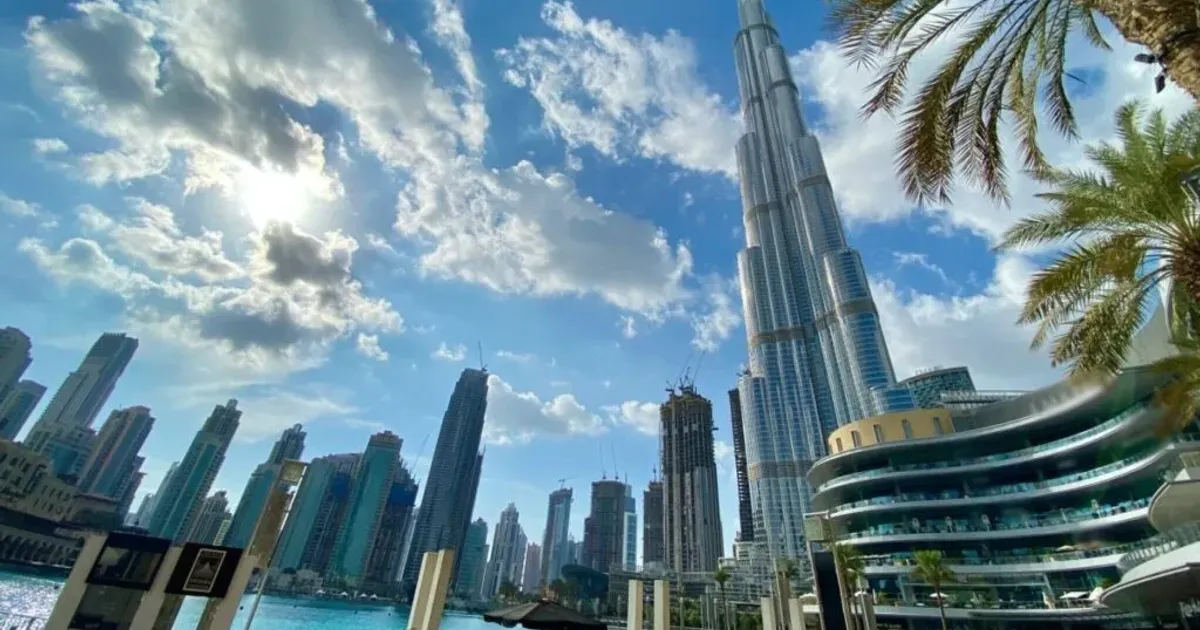
Dubai authorities implemented a series of emergency financial measures to shield the hospitality sector from the economic contagion of the regional war in Iran. Government bureaus issued directives to freeze various levies that typically pad the city treasury, citing a sharp decline in international arrivals. Local officials hope these concessions will prevent a wave of bankruptcies among mid-tier and luxury operators who face mounting operational costs and empty suites. By March 31, 2026, Dubai was using fee relief to defend tourism demand during the regional conflict. The intervention indicates a departure from standard fiscal policy in the United Arab Emirates, where tourism taxes have historically been a stable revenue stream for urban development projects.
Economic stimulus efforts now focus on immediate cash-flow relief for property owners and management groups. Financial analysts noted that the city is currently contending with a 40 percent drop in occupancy compared to the same period in 2025. This downturn stems directly from the ongoing conflict across the Persian Gulf, which has complicated flight paths and deterred Western travelers. Revenue per available room has plummeted across the luxury segment, forcing many iconic properties to reduce staffing levels or close entire wings to save on cooling and maintenance expenses.
Department of Economy and Tourism Implements Fee Deferrals
Specific aid packages outlined by the Department of Economy and Tourism focus on the deferral of municipality fees, which typically account for 7 percent of every hotel bill. Officials also confirmed the postponement of the Tourism Dirham, a nightly fee ranging from 7 to 20 dirhams depending on the hotel category. These measures seek to reduce the immediate financial burden on operators who are struggling to cover fixed debt obligations to local banks. Internal documents suggest the government will review the necessity of these measures every thirty days based on regional security developments.
"Support measures include deferring government fees and postponing the tourism dirham fee to ensure the continuity of our private-sector partners," stated a representative from the Department of Economy and Tourism in a March 31 statement.
Operational costs in the desert metropolis stay high despite the lack of guests. Desalination, air conditioning, and the importation of luxury food supplies create a high break-even point for the Jumeirah Group and other major local hospitality conglomerates. While some expenses can be trimmed, the large energy requirements of these architectural marvels cannot be fully eliminated. Large-scale resorts often require occupancy rates above 50 percent just to meet daily utility and labor costs. Current data indicates many properties are operating well below this threshold.
Hotel Occupancy Plummets Across Dubai Luxury District
Insurance premiums for commercial flights into the Persian Gulf increased fourfold over the last sixty days. Rising costs for Emirates Airline and other regional carriers have translated into much higher ticket prices for the few tourists still willing to visit the region. Security concerns regarding the proximity of the conflict zones have led major cruise lines to bypass the Port of Rashid entirely. Business travel, once a reliable foundation of the local economy, has transitioned to virtual formats as global corporations issue strict no-travel orders for the Middle East. One major consultancy firm canceled its annual partner retreat scheduled for the Dubai International Financial Centre this week.
Property managers in the Downtown district report a surge in long-term lease cancellations from expatriate residents who are relocating to safer jurisdictions in Europe and Asia. The loss of high-spending residents compounds the damage caused by the disappearing tourist base. Luxury retail outlets within the malls have reported a 30 percent decline in sales since the start of the year. Wealthy travelers from China and Russia, who previously filled the gap left by Western tourists, are also staying away due to the unpredictability of regional airspace. Total tourism revenue for the first-quarter of 2026 is projected to be $8.5 billion lower than initial forecasts.
Regional conflict is rewriting Middle East travel patterns.
Bankruptcy filings among smaller boutique operators rose by 12 percent since January. Larger entities with sovereign backing might weather the storm longer, but the financial strain is visible across the balance sheets of listed hospitality firms. Credit rating agencies have placed several Dubai-based developers on negative watch, citing the prolonged nature of the Iran conflict. Debt restructuring talks between hotel owners and the Dubai Islamic Bank have become a daily occurrence as interest payments come due. Some owners are attempting to pivot toward the domestic market by offering steep discounts to local residents, yet these promotions rarely cover the cost of high-end service standards.
Labor markets in the hospitality sector are feeling the immediate impact of the revenue drought. Thousands of workers from South Asia and Southeast Asia, who form the backbone of the service industry, face reduced hours or repatriation. Many hotels have halted all new hiring and suspended bonuses for senior management. If the war in Iran continues through the summer months, analysts expect the city to face a labor surplus that could destabilize the local rental market. Government officials have not yet announced direct wage subsidies, opting instead to focus on the corporate fee holidays.
Operators also have to protect staff hours and supplier contracts while they wait for confidence to return.
Fee relief buys time, but it does not solve the reputational risk created by a conflict next door.
Tourism Risk for Dubai
Dubai is using fee relief to protect occupancy during a regional shock, but the policy cannot fully replace lost confidence among long-haul travelers. Hotels can lower friction; they cannot remove security concerns from the map.
The move also shows how exposed luxury travel hubs are to events beyond their borders. A war premium can change bookings even in destinations that remain physically open and well connected.