Iran ignited a period of extreme logistical volatility when regional conflict disrupted international flight corridors. Aviation officials scrambled to divert hundreds of commercial flights as the airspace over the Persian Gulf transformed into a contested military zone. The travel disruption quickly reached passenger confidence and pricing. Still, airlines struggled to maintain schedules while ensuring the safety of thousands of passengers crossing between Europe and Asia. flight paths that typically serve as the backbone of global commerce had been severed within hours of the first missile exchange. Aviation safety experts describe a complex behind-the-scenes process for determining whether a plane can take off during active hostilities.
Airlines Reroute Around the War
According to data from international regulators, carriers must weigh government intelligence against real-time telemetry from ground-based radar systems. In turn, carriers often make independent decisions based on their internal risk tolerance rather than waiting for formal civil aviation authority bans. Yet, the speed of modern missile technology has narrowed the window for these life-saving adjustments. Some flights remained in the air for hours longer than planned because landing options narrowed in neighboring countries.
For one, United Airlines and other major carriers immediately suspended operations to several regional hubs. These decisions followed a rapid assessment of surface-to-air missile threats that could reach commercial altitudes. Aviation protocols dictate that any civilian aircraft must maintain a specific buffer from active combat zones, but the geographic narrowness of the Persian Gulf makes such distancing nearly impossible. Carriers redirected their fleets over Saudi Arabia or toward more northern routes through Central Asia to avoid the immediate danger. Flight paths over the Persian Gulf closed within minutes.
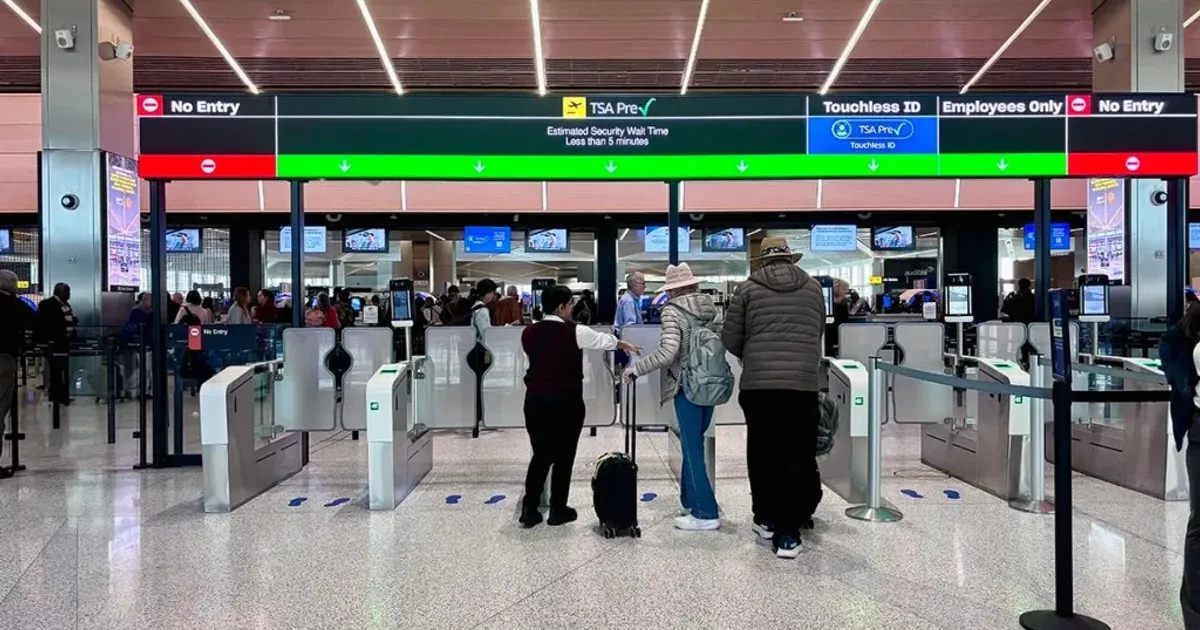
Meanwhile, TSA officials at major American gateways reported a surge in security screenings as international travelers were rerouted through the United States. Security queues at Newark and JFK International reached lengths not seen in a decade as the ripple effects of the war hit the domestic infrastructure. AI-driven customer service bots, tasked with rebooking thousands of stranded passengers, collapsed under the volume of complex itinerary requests. Travelers found themselves stuck in digital loops for hours without access to human agents. By contrast, previous regional skirmishes allowed for more orderly diversions that the industry could absorb.
Data from recent weeks shows a 40% increase in fuel costs for long-haul flights that must now circumvent the entire Middle East. In fact, many budget carriers have been forced to cancel routes entirely because they cannot afford the extra three hours of flight time required for safe passage. For instance, a flight from London to Singapore now requires a far more expensive fuel load, affecting the ticket prices for every seat on board. Separately, investigators at Skift have noted that the Iran war exposed deep cracks across the global travel system. These cracks include broken automated rebooking tools and a lack of contingency planning for total airspace closures.
Customer Systems Fail Under Pressure
But the issues extend beyond simple delays. Insurance premiums for aircraft flying anywhere near the conflict zone have skyrocketed, adding thousands of dollars in operational costs per flight. One analyst noted that the economic burden is shifting directly to the consumer through mandatory war-risk surcharges. So, the infrastructure of global travel is facing its most severe test since the pandemic. Security queues grew as travelers sought alternative routes that avoided the conflict zone.
Even so, the volume of people trying to enter or transit through the United States created a bottleneck that the current staffing levels could not handle. At the same time, the reliance on automated systems meant that when the software failed, there was no backup plan to assist the elderly or those with limited digital literacy. One family spent 48 hours in the terminal at Newark before speaking to a living person. This war has proven that the aviation industry is still vulnerable to sudden geopolitical shocks despite years of digital transformation. The Middle East remains the primary transit point for global connectivity, and there is no easy way to bypass it without massive economic loss.
Technology proved to be a liability rather than an asset during the peak of the crisis. Repercussions hit the sector immediately. $14 billion in projected revenue for the first quarter of 2026 has already been erased from the books of the world's ten largest airlines. Industry leaders are now questioning whether the current hub-and-spoke model can survive an era of frequent regional warfare. Travel companies are seeing a sharp decline in forward bookings for any destination within 1,000 miles of the conflict.
The industry is currently operating in a state of high alert that many experts believe could last for years. Global travel networks are effectively being rebuilt in real-time as carriers abandon traditional routes for safer, albeit less efficient, alternatives. This shift has led to a permanent increase in travel times for many international passengers. Airspace management remains the most critical hurdle for the coming months. Different nations have issued conflicting advice on which altitudes are safe, creating a confusing environment for pilots.
Travel Costs Move Beyond Delays
The price of global mobility is a vulnerability the industry ignored for too long. No amount of software can replace a pilot's judgment or a gate agent's empathy in a war zone. Travel disruption is one of the fastest ways a regional war becomes global. Aviation, insurance and passenger confidence all translate geopolitical risk into canceled plans and higher prices.