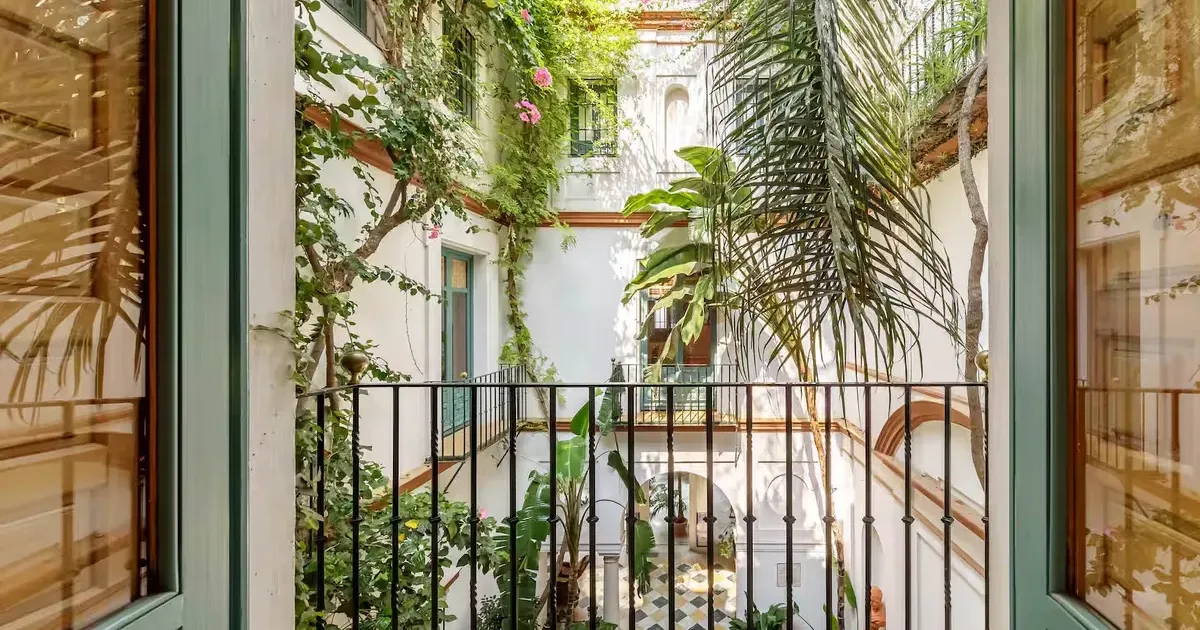
Historic Seville homes are becoming luxury vacation stays as travelers look for something more rooted than a standard hotel room. The appeal is clear: old courtyards, tilework, shaded interiors and a sense that the city is being experienced from inside its residential fabric.
Character Becomes the Business Model
The trend was visible as owners and hospitality groups repositioned restored properties for higher-end visitors. The business model depends on character, but the risk is that character becomes a commodity. A historic home can offer what a new hotel often cannot: proportion, material memory and neighborhood context. Guests are paying not only for beds and service, but for the feeling of occupying a piece of Seville's built history.
That can support preservation when restoration is careful. It can also encourage superficial renovation if operators keep facades and erase the interior logic that made the house valuable. Seville already faces the familiar tension of popular European cities: tourism revenue on one side, resident displacement on the other. Luxury conversions can raise property values and reduce long-term housing supply if they spread too quickly. City officials therefore have to distinguish between preservation-led hospitality and speculative extraction. The difference may decide whether residents see the trend as renewal or loss.
Architecture Becomes the Amenity
The strongest projects will connect guests to local crafts, food, courtyards and streets without turning neighborhoods into stage sets. Luxury should mean deeper access, not isolation from the city around it. Seville's historic homes can strengthen tourism if they remain homes in spirit.
Once they become only premium inventory, the city loses the intimacy that made them desirable in the first place. Travelers are drawn to the intimacy of these properties because Seville's atmosphere is built from details: interior patios, ironwork, ceramic surfaces and the way shade manages heat. A restored home can make those details part of daily experience rather than a sightseeing stop.
Owners also have financial incentives to convert. Luxury short stays can produce more income than traditional rentals, especially when demand is international and seasonal pricing is strong. That incentive is exactly why regulation matters. Without limits, the market can turn residential heritage into visitor inventory faster than neighborhoods can adapt. Restaurants, shops and services then begin to follow tourist demand rather than resident need. The best operators will need to show that restoration budgets support local craftspeople and that guest rules protect neighbors.
Quiet courtyards lose their value if the surrounding street becomes unstable. The lesson is that place-based luxury depends on the health of the place. Seville can sell historic intimacy only if real communities remain part of the setting visitors came to experience. There is also a design lesson for the broader hotel industry. Travelers are tiring of luxury that looks the same in every city. Seville's historic homes offer a different promise: the stay should make sense only in Seville.
Neighborhoods Feel the Pressure
That local specificity can justify premium pricing if it is handled honestly. Guests can accept smaller rooms, older layouts or unusual circulation when those features are part of the building's character rather than signs of neglect. The risk is imitation. Once the market rewards 'historic' language, newer properties may borrow the aesthetic without the context. That can dilute the meaning of the category and make authentic restoration harder to distinguish. Seville's advantage is not simply old architecture.
It is the relationship between architecture, climate, street life and hospitality. The best luxury conversions will protect that relationship. Local authorities may need better data before setting rules. Not every conversion harms a neighborhood in the same way, and some restored homes may preserve buildings that would otherwise decay. The question is concentration. A few carefully managed properties can add value; too many can change the housing market, street noise and everyday services around them.
For travelers, the choice should also carry responsibility. Staying in a restored home can support preservation, but it should not mean ignoring the neighborhood that makes the stay valuable.