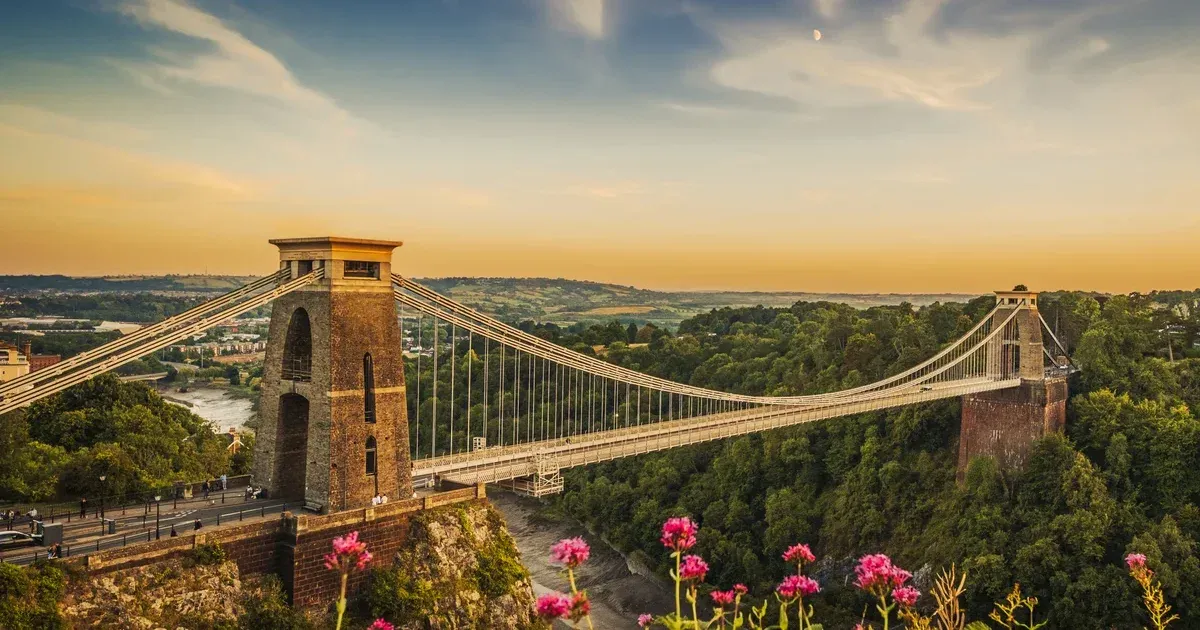
British nature reserves are drawing heavier crowds as outdoor travel changes from a niche preference into a mainstream habit. Families, walkers and budget-conscious travelers are using reserves as lower-cost alternatives to long-distance breaks.
Visitor Growth Brings Its Own Cost
Conservation groups were treating the growth as both a success and a management challenge. More visitors can build public support for nature protection, but they also put pressure on paths, car parks, wildlife habitats and volunteer staff. The strongest draw is accessibility. A reserve within driving distance can offer birds, wetlands, woodlands or coastal paths without the cost of hotels and flights.
That matters when household budgets are tight. The pandemic changed some habits, but the cost-of-living period has kept them alive. People still want restorative travel, but many are choosing shorter trips that feel meaningful without becoming expensive. Nature reserves benefit when new visitors become donors, members or volunteers. Public attachment can translate into stronger political support for land protection and habitat restoration. The risk is that popularity damages the thing people came to see.
Local Nature Becomes a Destination
Ground-nesting birds, fragile wetlands and narrow trails can suffer if visitor growth is not matched by signage, ranger capacity and seasonal restrictions. Local businesses may benefit from reserve traffic through cafes, pubs, gear shops and accommodation near protected areas. That creates a small rural economy around conservation, but it also raises expectations for infrastructure.
The best approach is not to discourage visitors. It is to spread demand, explain sensitive areas and make conservation part of the visitor experience rather than a warning sign at the gate. Nature access has become a public-service issue as much as a leisure trend.
If Britain wants people to value biodiversity, they need places where that value is visible and reachable. Record visits are therefore a vote of confidence and a warning. The reserves are loved; now they have to be funded and managed as if that love carries real costs. Reserve managers are also dealing with a more diverse visitor base. Some guests arrive with hiking experience and strong trail habits; others are new to protected landscapes and need clearer guidance about dogs, litter, nesting seasons and staying on paths. That education role is becoming part of conservation work.
A visitor who understands why a marsh path closes in spring is less likely to treat restrictions as bureaucracy. Good signage can turn a rule into a story about the species the rule protects. Funding remains the hard part. Car parks, boardwalks, toilets and ranger teams cost money, but many reserves operate with limited budgets and seasonal volunteer support. Record attendance can expose those constraints faster than it solves them. There is also an equity question.
Conservation Gains Need Management
If nature access becomes more important to public health, reserves cannot be treated only as attractions for people who already have cars, time and outdoor gear. Better public transport links and accessible paths would make the visitor surge more socially valuable. The long-term opportunity is to turn casual visits into deeper support. A family that comes for a weekend walk may later join a trust, volunteer for habitat work or defend a local site from development. That is how recreation becomes conservation politics. Tourism boards should also be careful with promotion.
Sending too many visitors to the same photogenic reserve can overwhelm the site while leaving other areas underused. Better mapping, seasonal recommendations and transport information can spread demand more intelligently. For conservation groups, the communications opportunity is large. Visitors who come for scenery can leave understanding peat restoration, bird migration, pollinator loss or river recovery. A good reserve visit can turn abstract environmental concern into something specific. The challenge is to keep the experience welcoming without making it careless.
Nature access works best when people feel invited and responsible at the same time. That balance will decide whether record visitor numbers become a conservation asset or another management burden. The visitor surge also gives policymakers a concrete reason to invest in green infrastructure. Boardwalk repairs, habitat buffers, bus links and ranger posts may not sound glamorous, but they determine whether people can enjoy protected land without degrading it. If those investments are delayed, reserves will keep absorbing demand with tools designed for a smaller audience. The record growth therefore should not be treated as a seasonal curiosity.
It is evidence that public demand for nature is rising faster than the systems built to manage it. If funding follows, reserves can become stronger civic assets. If it does not, popularity may become another source of ecological strain.