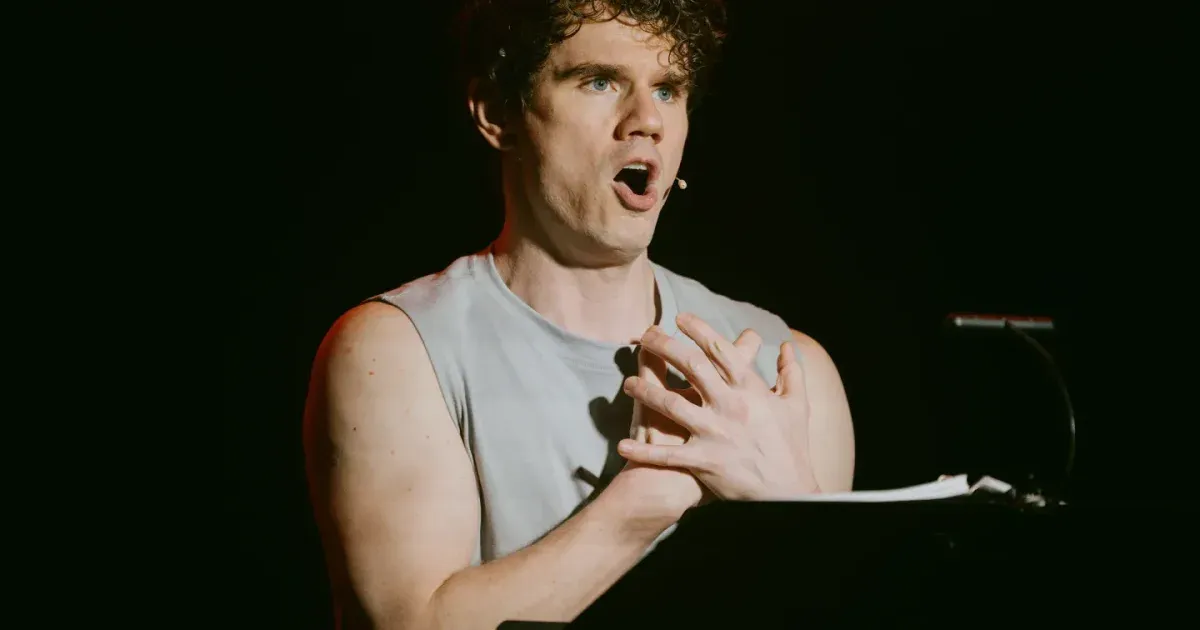
Dylan MarcAurele debuted his newest theatrical venture in New York City signaling a major expansion for the niche hockey romance subculture. His production, a satirical adaptation of a popular book series, attempts to bridge the gap between digital fandom and physical performance. Supporters gathered outside the theater to witness a shift in how internet-famous intellectual property transitions into live entertainment. By April 1, 2026, the Heated Rivalry parody had turned fandom momentum into an Off-Broadway experiment. Traditional critics often overlook the power of specialized romance communities, but the box office numbers for this opening night suggest a different reality.
MarcAurele, a composer and writer known for his ability to translate viral trends into melodic narratives, focused his latest work on the tension between two rival athletes. The show pays homage to the source material while poking fun at the tropes that define the genre. Critics from the Hollywood Reporter noted that the musical includes high-energy numbers designed to appeal directly to long-term readers. Songs like Big Ass, Cold Heart poke fun at the stoic archetypes often found in sports fiction. Shane Hollander, one of the central figures of the parody, is portrayed with a mix of athletic prowess and comedic vulnerability.
Dylan MarcAurele and the Off-Broadway Parody Landscape
Satirical theater depends on a deep understanding of its subject matter to succeed with core audiences. MarcAurele spent months developing the script to ensure it connected with the specific humor of the book series. He emphasized that the goal was never to mock the readers but to celebrate the absurdity of the fictional world. This approach allowed the production to secure a dedicated following before the first curtain call. Performers were selected for their ability to balance vocal technicality with the physical comedy required for hockey-themed choreography.
Musicians in the pit orchestra must navigate a score that shifts between power ballads and up-tempo comedic rants. One standout track, Shane Hollander Slap That Stick, utilizes percussion to mimic the sounds of an ice rink. Such creative choices demonstrate the level of detail MarcAurele poured into the project. Off-Broadway venues provide the intimacy needed for this type of specific, community-driven storytelling. Ticket sales for the initial run exceeded expectations within hours of the announcement.
I wanted to capture the specific energy that fans feel when they read these stories, which is a mix of intense devotion and an awareness of how funny the drama can be, MarcAurele stated during a rehearsal breaks.
Audience members traveled from across the United States to attend the premiere. Many brought custom merchandise and apparel related to the fictional teams depicted in the show. This level of engagement is rare for smaller scale productions in the current economic climate. Producers noted that the demographic for the show consists largely of highly educated professionals who find community in online book forums. The transition to the stage is a physical manifestation of that digital bond.
Literie Merchandising Drives Heated Rivalry Market Growth
Parallel to the stage debut, the lifestyle brand Literie announced the return of its most successful collaboration. The viral candle inspired by the rivalry is once again available for pre-order, following a previous sellout that left thousands on a waiting list. Rolling Stone reported that the demands for the product are driven by its association with the atmosphere of the books. Consumers are willing to pay $45 for a scent that connects them to their favorite fictional narratives. This commercial success highlights the power of olfactory marketing in the modern era.
Limited editions often create a sense of urgency that fuels rapid sales cycles. Literie leveraged this psychological triggers by announcing the pre-order window just as the musical began its previews. Marketing data shows that the overlap between the theater audience and the luxury candle market is meaningful. Fans who invest in a theater ticket are statistically more likely to purchase high-end memorabilia. The brand has struggled to keep up with the volume of orders during previous releases.
Inventory management for such high-demand items is a logistical hurdle. Literie increased production capacity for this round to avoid the backlash seen during the initial launch. Despite these efforts, industry insiders predict another sellout before the official shipping date. The connection between a physical product and a musical performance creates a multi-sensory experience for the consumer. Brands are increasingly looking for ways to tie their goods to specific cultural moments.
Script Development for the Heated Rivalry Musical
Writing a parody involves a careful selection of which elements to exaggerate and which to leave untouched. MarcAurele focused on the internal monologues of the characters, turning their private anxieties into public anthems. The technique allows the audience to feel a sense of intimacy with the performers. The dialogue incorporates specific inside jokes that only those familiar with the original text will fully appreciate. The exclusivity is a feature, not a bug, of the production strategy.
Choreography presented a unique set of obstacles for the creative team. Dancers had to simulate the grace of professional skaters on a standard wooden stage. To achieve this, the production used specialized footwear and smooth floor treatments. Visual effects helped create the illusion of a frozen surface, adding to the immersion of the performance. The lighting design emphasized the cold, blue hues of an arena, contrasted with the warm, golden tones of the private moments between the leads.
Production costs for Off-Broadway show have risen steadily over the past three years. Labor, materials, and marketing expenses require a solid upfront investment from backers. For a parody like this, the risk is reduced by the built-in audience of the book series. Investors are more comfortable funding projects with a proven track record in other media formats. MarcAurele's previous successes in the parody genre also provided a layer of security for the financial team.
Fan Culture on Stage
The parody musical shows how quickly online fandom can move into live performance. A romance property with active fan communities already has jokes, expectations and shared references before a ticket is sold.
The challenge is making that energy work for an audience beyond the core fandom. A show built only on recognition can feel thin; a sharper parody has to stand on songs, pacing and character choices.