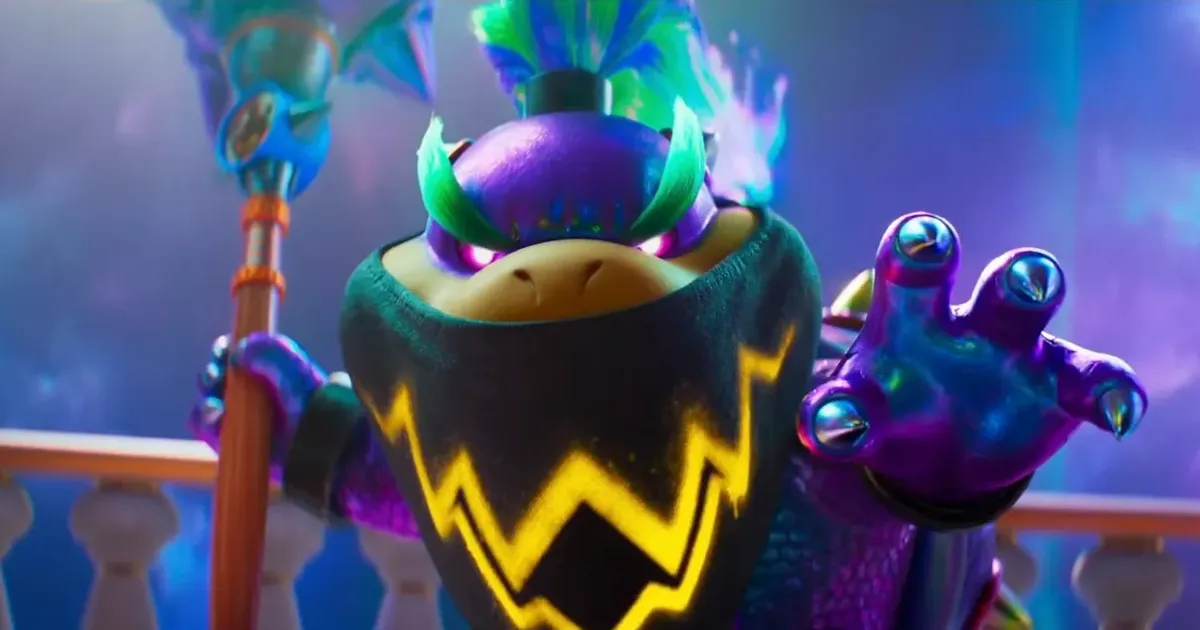
Nintendo distributed official screening copies of the Super Mario Galaxy Movie to global critics triggering a wave of polarized reviews. Early responses characterize the film as a rapid sequel that prioritizes visual fan service over narrative substance. On March 31, 2026, the film’s Easter eggs had become a dividing line between fans and critics. While the 2023 predecessor garnered large box office success, this iteration faces scrutiny for its frantic pacing and reliance on internal gaming references.
Variety described the project as a threadbare adventure that feels more like a collection of video-game Easter eggs than a cohesive story.
Reviewers claim the film moves too quickly for viewers to absorb the cosmic environments. Sentient star-beings known as Lumas accompany the protagonist through these settings, appearing in various iridescent shades. These characters inhabit a world that many critics find visually overwhelming but emotionally hollow. Producers aimed for a grander scope, yet the result appears to have alienated those looking for a traditional cinematic structure.
Vocal Performances and Casting Decisions
Donald Glover provides the voice for Yoshi, a character Variety describes as a cuddly green dinosaur in pink boots. Glover uses a babyish coo to bring the creature to life, a choice that contrasts with the traditional vocalizations found in the game series. Fans of the franchise will recognize the character as a plastic bath toy aesthetic brought to high-definition animation. This version of the dinosaur reportedly eats nearly anything it encounters throughout the journey.
Chris Pratt and Charlie Day return to their roles as Mario and Luigi, maintaining the core dynamic established in the first film. Recruitment efforts brought Glen Powell, Brie Larson, and Benny Safdie into the fold to expand the vocal roster. Anya Taylor-Joy continues her performance as Princess Peach, though critical focus shifted toward the sheer density of the ensemble. Producers selected these high-profile names to ensure global marketability across multiple demographics. Keegan-Michael Key and Jack Black reprise their roles as Toad and Bowser, providing the comedic and antagonistic anchors for the cosmic journey. Recording sessions for these high-profile actors took place across multiple international studios to accommodate filming schedules. Sonic landscapes across the film feature some of the most recognizable voices in modern Hollywood.
Critical reception also turns on narrative complexity.
Reviewers at the New York Times published a review suggesting the sequel cannot hold still long enough to allow audiences to enjoy the finer details. Lack of stillness contributed to a sense of exhaustion among reviewers who sought a more grounded emotional core. Narrative depth suffered as the film rushed from one planetary obstacle to the next. Critics argue that the breakneck speed serves to mask a thin plot that offers little beyond visual spectacle.
“The sequel to the mega-blockbuster can’t hold still long enough to let us enjoy the good stuff,” wrote the New York Times in its initial assessment.
Hollywood Reporter staff noted that the film will likely delight dedicated fans of the Nintendo ecosystem despite its narrative shortcomings. The publication argued that the target audience values brand fidelity and recognizable iconography over traditional storytelling structures. These viewers often seek out the specific mechanical references that critics find distracting or superficial. Box office projections remain high despite the lukewarm critical consensus from major outlets.
Animation Quality and Visual Easter Eggs
Illumination Entertainment handled the animation, focusing on vibrant colors and complex lighting to simulate outer space. Iridescent shades dominate the color palette for the Luma characters, which appear in various designer colors. Variety compared these creatures to designer toys, noting their marketability for younger audiences. Merchandising opportunities for these star-like entities are expected to drive meaningful revenue for the parent company.
Technical teams used proprietary software to manage the high frame rates required for the film's many chase sequences. These sequences take the characters across shifting gravitational fields and through asteroid belts filled with glowing crystals. Critics observed that the intensity of these visuals often outweighed the dialogue, making the script feel secondary to the spectacle. Final production budgets reached record levels to achieve this degree of visual complexity.
Corporate oversight ensures that Mario stays a recognizable brand icon but often results in a sanitized cinematic experience. Tension between profit-driven brand management and artistic storytelling is evident throughout the 100-minute runtime. Biggest critics agreed that the film functions better as a theme park attraction than a piece of cinema. Audience tracking suggests that younger viewers are less bothered by the lack of narrative cohesion than older demographics.
Franchise Pressure for Nintendo
The divided response shows the challenge of turning a game world into a film universe. Easter eggs please devoted fans, but they can also crowd out story if the movie becomes a reference checklist. Nintendo’s broader film strategy depends on that balance. The company can build excitement through familiar characters, yet each release still has to work for viewers who are not tracking every hidden detail.