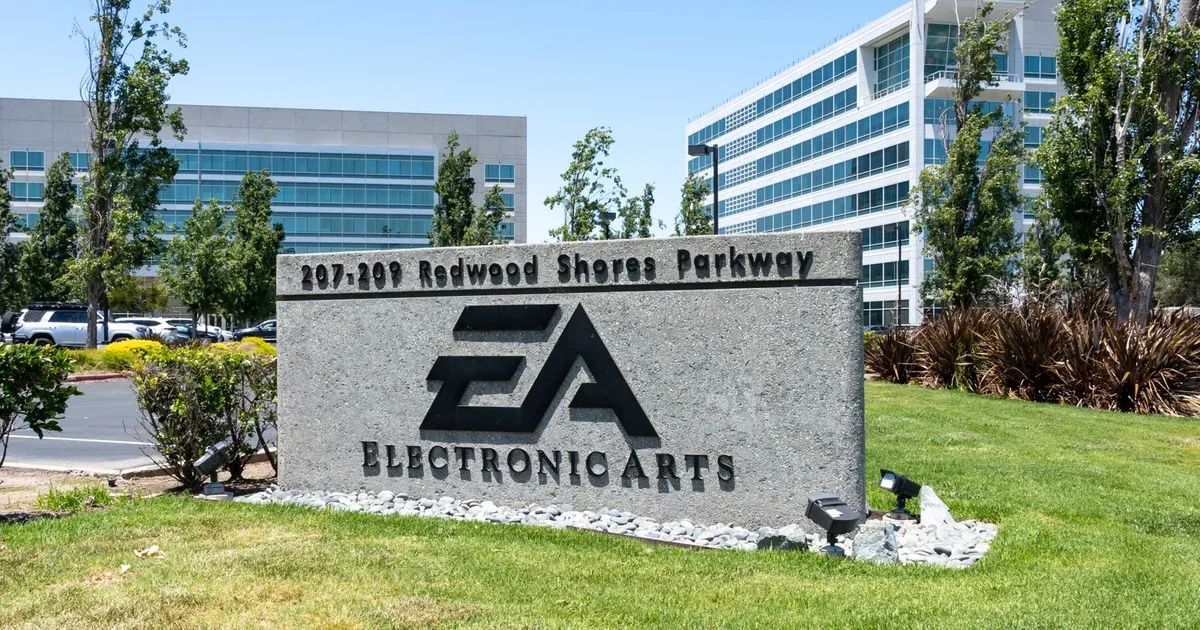
Electronic Arts expects to complete its $55 billion sale to a private ownership group on August 4, ending the company’s 35-year run on public markets. The date comes from an 8-K filing with the U.S. Securities and Exchange Commission, according to Engadget.
EA said in the filing that all regulatory approvals required for the merger had been obtained as of July 30. The transaction is expected to close around the end of trading on August 4, which makes the announcement a timetable for legal completion rather than a report that the ownership change has already happened.
The buyers are Saudi Arabia’s Public Investment Fund, Silver Lake and Affinity Partners. Engadget described the deal as the largest leveraged buyout ever. Electronic Arts will continue to be led by Chief Executive Andrew Wilson, while its Redwood City, California headquarters will stay in place.
The Filing Sets a Date for EA’s Public Exit
The most immediate change is the end of public-company status. Once the merger closes, EA will no longer operate as a listed company whose ownership is spread across public-market investors. The filing’s wording leaves a short but important gap between regulatory approval and closing: the transaction still has to reach the stated completion date.
That distinction matters because the company has not announced an operational handover. Wilson is staying in place, the headquarters is staying in place and Engadget does not describe a change to EA’s studio structure. The ownership model is changing first; the available public details only establish those immediate continuities.
The transaction also closes a long period in which investors could measure EA through regular market disclosures. Private ownership does not by itself determine what games the company will make, but it changes the setting in which capital, layoffs and studio decisions are explained to outsiders.
EA Enters Private Ownership After Industry Cuts
The deal arrives after a difficult period for video-game publishers. Engadget reported that Electronic Arts cut workers, cancelled releases, closed studios and put the Need for Speed franchise on hold in recent years. Those actions reflect the cost pressure and portfolio choices that have affected publishers across the industry.
EA has also had a recent commercial success. Battlefield 6 became a major hit after its release last October, while the company continued to hold major properties such as EA Sports, The Sims, Madden NFL, Titanfall and EA Sports FC. Engadget reported $7.5 billion in revenue last year.
Those two facts describe a company entering private ownership from a mixed position: it has a valuable catalogue and a successful recent release, but it has also reduced its workforce and cancelled projects. The buyout therefore does not erase the pressures that led to those decisions.
What Changes First for the Game Business
For players, the closing date does not announce an immediate change to a title, service or studio. The confirmed near-term facts are the ownership group, the expected August 4 close, Wilson’s continued leadership and the Redwood City headquarters.
The harder question is how the new ownership structure will weigh long development cycles against the demand for dependable releases and returns on a leveraged transaction. Engadget does not provide that strategy, and EA has not announced a new slate in connection with the closing. The useful marker for the next phase will be the decisions the private company makes about studios, projects and franchises after the legal transfer is complete.