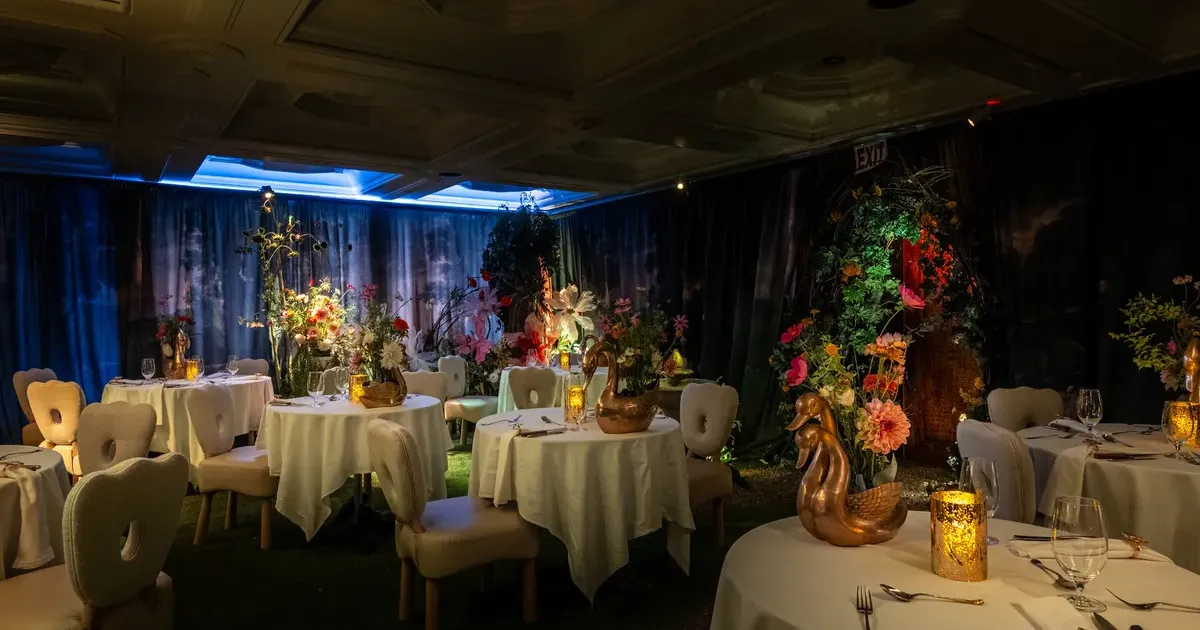
Elite chefs are turning short-term residencies into one of luxury dining's most profitable formats. The residency model turns restaurants into temporary cultural stages rather than fixed destinations. That gives diners access to chefs without requiring global travel. It also changes how luxury hospitality sells scarcity. On March 28, 2026, the trend was accelerating in markets such as Las Vegas and the Cote d'Azur, where hotels and resorts can offer famous names without building permanent restaurants around them. The model sells scarcity: a room, a menu and a chef that will disappear before diners have time to treat it as routine, which is exactly the kind of urgency luxury hospitality has learned to monetize across rooms, restaurants and branded experiences.
For chefs, the appeal is flexibility, but the financial appeal is just as important: they can monetize a name, test a luxury audience and avoid the debt load that can turn even a critically praised restaurant into a fragile business before it has built a loyal local base. A residency can test a city, a menu or a partnership without the cost of a flagship lease. For hotels, the attraction is immediate attention from wealthy travelers who want an experience that feels temporary and hard to repeat. That combination has made the residency a business strategy, not just a culinary stunt, and it explains why investors now treat famous chefs more like touring intellectual property than fixed local operators.
Residencies Replace Permanent Risk
Opening a traditional fine-dining restaurant can require years of planning, expensive buildouts and long-term staffing commitments. A residency uses existing infrastructure and shared marketing, lowering the upfront risk. The host property already has kitchens, dining rooms, service staff and a guest pipeline. The visiting chef brings name recognition and a sense of urgency. Las Vegas is a natural test market because the city already treats restaurants as part of the entertainment economy. A chef with global recognition can move into a resort space for a limited run and create a booking surge. The same logic applies along the French Riviera, where seasonal wealth and tourism make temporary dining concepts easier to sell.
The prices reflect that scarcity. Diners are not only paying for food; they are paying for access to a moment, and for the right to say they were there before the room vanished. A meal can become a status signal precisely because it cannot be repeated next year in the same form.
Luxury Hospitality Economics
The business logic extends beyond the plate. A high-profile residency can raise room demand, attract brand sponsors and give a hotel a fresh story without rebuilding its entire food program. Watches, cars, fashion houses and spirits brands can attach themselves to the event, turning dinner into a broader luxury platform.
For chefs, residencies can also serve as research. A short run reveals whether a market has enough demand for a permanent concept, whether the supply chain can support the menu and whether local staff can execute the service style. That information is valuable before signing a long lease or committing investors to a full restaurant. The risk is that fine dining becomes too transactional. A restaurant traditionally builds meaning through repetition, neighborhood identity and the relationship between a kitchen and its regulars. A residency can produce excellence, but it struggles to produce roots, and that weakness matters in a business where emotional memory often determines whether a diner returns, recommends or simply moves on to the next scarce thing. When every dinner is framed as a limited event, the experience can start to feel more like a product drop than hospitality.
The strongest hosts understand that a residency has to serve the property as well as the chef. A resort can use a limited run to reposition itself for younger luxury travelers, fill shoulder-season rooms or introduce guests to other parts of the estate. The dinner becomes an anchor for a larger spending pattern.
Chefs also gain leverage from mobility. Instead of tying their reputation to one dining room, they can move between markets where demand is strongest. That freedom is valuable, but it can make the labor model harder for cooks and servers who must adapt quickly to new standards, new guests and temporary pressure. Quality control is the deciding factor. A famous name may sell the first wave of reservations, but service, sourcing and execution determine whether the residency feels like a serious restaurant or an expensive cameo. Luxury diners may chase novelty, but they still remember when the performance does not match the price.
The staffing question deserves more attention because luxury residencies rely on temporary intensity. A host hotel may have experienced servers, but the visiting chef brings a different vocabulary of timing, plating and guest management. Training that would normally unfold over months has to happen in days. If the back-of-house team and front-of-house team do not merge quickly, diners can feel the gap between the marketing promise and the actual service.
What Diners Are Buying
The best residencies work when the chef adapts to the location rather than simply importing a famous menu. Local produce, wine, seafood or regional techniques can give the event a reason to exist beyond branding. The weakest versions rely on the name alone, asking diners to pay premium prices for a traveling version of something more meaningful elsewhere.
Logistics are also demanding. Temporary teams need training, imported equipment must arrive on time and local suppliers have to meet standards under compressed deadlines. A single weak service can damage both the chef and the host property because the event's scarcity leaves little room for recovery. The residency boom is therefore both clever and fragile. It reduces financial risk for elite chefs and gives hotels a powerful marketing engine, but it can drain depth from fine dining if used only as a luxury content machine. Diners should ask whether they are buying a genuine culinary collaboration or simply a famous signature on a rented room.