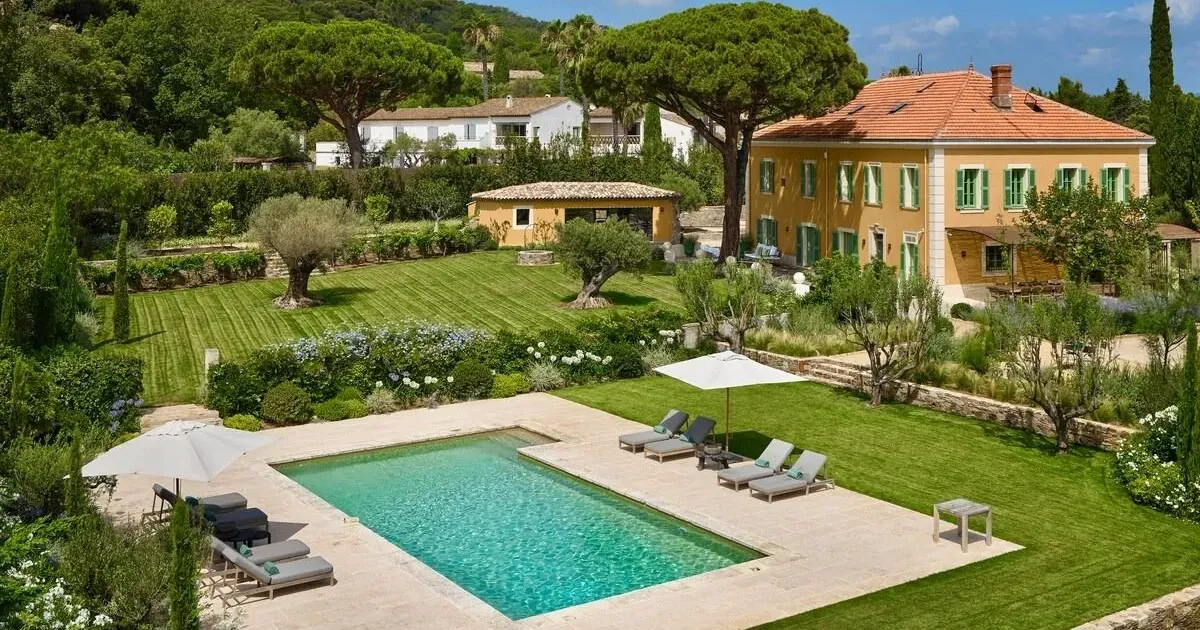
Architectural Digest released new luxury travel guides documenting a surge in demand for historic chateaus and coastal mansions. Airbnb listings now feature a specialized tier of properties aimed at travelers who prefer heritage architecture over contemporary minimalism. These recommendations focus heavily on 12 estates in the South of France and 14 distinctive residences throughout the Charleston area. Market analysis suggests that high-net-worth individuals are moving away from traditional luxury hotels in favor of immersive residential experiences. By March 31, 2026, luxury travelers were putting more money into private estates and heritage rentals.
Guest preferences have shifted toward properties that offer what analysts describe as lifestyle performance. Many vacationers are no longer satisfied with standard amenities and instead look for environments that enable a specific social identity. Architectural Digest characterizes this behavior as a desire to inhabit the role of a legacy property owner. The focus is on aesthetic continuity and the historical narrative of the structure.
Property owners in the South of France have renovated ancient rural estates to meet these modern standards. Many of these locations serve as functional museums that allow guests to interact with centuries of history. This movement highlights a broader trend where the rental itself becomes the primary destination of the journey.
Southern France Estate Market Trends
Bucolic romance defines the current marketing strategy for rentals in the Provence and Riviera regions. Most of these properties feature stone facades, lavender fields, and interiors that emphasize old-world craftsmanship. Renters frequently choose these locations to experience a level of privacy that high-density luxury resorts cannot provide. Nightly rates for these estates have increased steadily throughout the early 2026 season.
Investment in the French countryside continues to grow as international buyers acquire chateaus specifically for the short-term rental market. Renovations often focus on preserving original woodwork and masonry while integrating hidden high-speed internet and climate control systems. Local zoning laws in many French villages have tightened to ensure that these commercial activities do not erode the quiet character of the countryside.
Cosplay as someone who owns a country chateau or estate, according to Architectural Digest in its 2026 guide. This strategy is proving effective for owners who can offer a sense of aristocratic belonging.
Luxury travel consultants note that the French market thrives on the perception of timelessness. Modern travelers often prioritize properties that look untouched by the 21st century. Photography for these listings emphasizes natural light, copper cookware, and antique furniture to appeal to a specific demographic of aesthetic-driven consumers. Demand for these specific visual elements remains high among North American and British travelers.
Charleston Historic Mansion Rental Economics
Coastal South Carolina has seen a parallel development in the high-end rental sector. Victorian-era mansions and sprawling waterfront retreats in the Charleston area are increasingly converted from private family homes into elite vacation rentals. The city has long maintained strict historic preservation standards, which inadvertently created a premium supply of architecturally meaningful lodging. Travelers pay a serious markup to stay in the historic district where new hotel construction is limited.
Waterfront properties along the Battery and the nearby islands represent the highest tier of the Charleston market. These homes often include deep-water docks, wrap-around porches, and extensive gardens designed for hosting private gatherings. Property management firms specializing in these high-value assets report nearly full occupancy through the spring and summer of 2026. The economic impact on local businesses is serious as high-spending tourists concentrate in specific historic corridors.
Local governance in Charleston has struggled to balance the needs of permanent residents with the profitability of short-term rentals. Critics argue that the conversion of large mansions into vacation properties reduces the availability of historic homes for long-term residents. By contrast, proponents claim the rental income allows owners to afford the enormous maintenance costs associated with preserving 19th-century structures. Repairing original plasterwork or slate roofs requires specialized artisans who charge premium rates.
Shift in Short-term Rental Luxury Consumer Habits
Global tourism data indicates a fragmentation of the luxury market into distinct niches. While some travelers still prefer the standardized service of a Ritz-Carlton or Four Seasons, a growing segment prioritizes architectural uniqueness. These individuals often view the rental property as a curated backdrop for their personal brand or social media presence. Every room must provide a specific visual narrative that aligns with the chosen theme of the trip.
Concierge services integrated into these high-end rentals are also evolving. Instead of a simple front desk, guests often interact with a dedicated estate manager who can arrange private chefs, local historians, or vineyard tours. This level of personalization mirrors the service found on superyachts. The physical property is merely one component of a broader, high-touch service package designed for the ultra-wealthy.
Technology plays a silent role in these historic settings. Smart home systems are now disguised within antique cabinets to provide modern security and entertainment without breaking the period-appropriate atmosphere. Investors who fail to integrate these comforts while maintaining the historic facade often see lower returns on their initial capital outlay. Efficiency in property management software allows these dispersed estates to operate with the precision of a centralized hotel group.
Historic estates appeal to wealthy travelers because they offer control, space and a story that standard hotels cannot easily replicate. Families and groups can buy privacy while still feeling connected to place.
The model is expensive to operate, though. Staffing, preservation, insurance and local rules can turn a romantic estate stay into a complicated hospitality business.