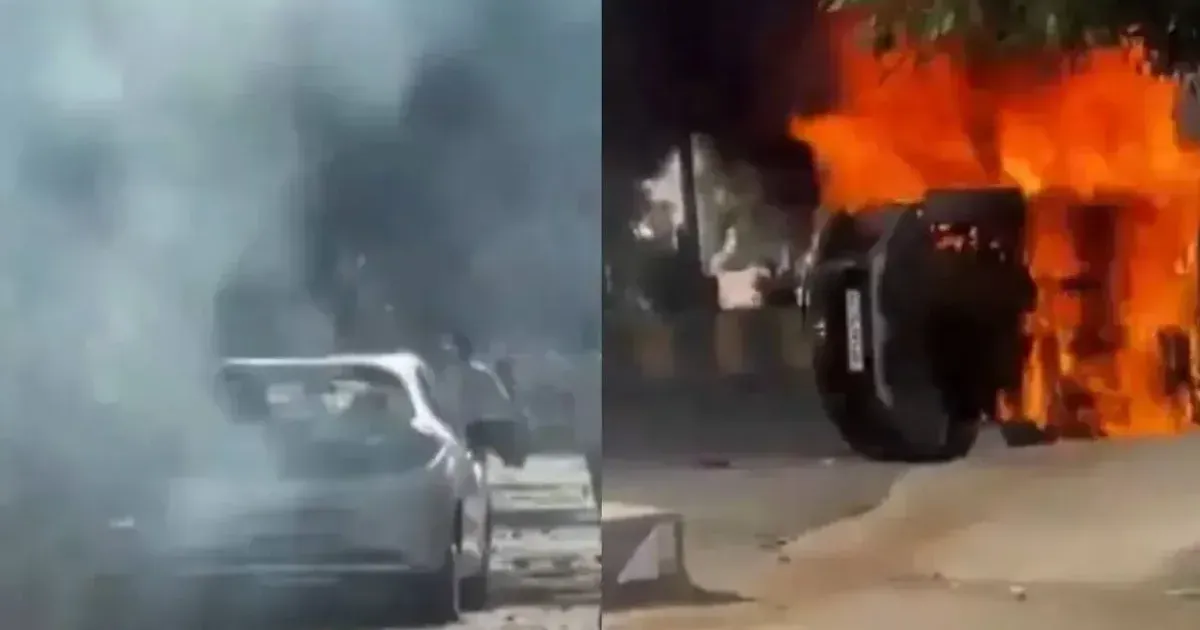
A wage protest in Noida Phase 2 turned into a violent labor confrontation as factory workers burned vehicles and vandalized property. Months of complaints over pay, overtime and working conditions had already raised tension around the industrial zone. The unrest broke out on April 13, 2026, spreading traffic disruption toward National Highway 9 while district officials moved to contain the dispute. Vandalism spread through the manufacturing hub with workers pelting stones at factory windows and overturning private cars. Reports from the scene indicated that the primary catalyst for the aggression was an enduring dispute regarding stagnant wages and the failure of management to implement previously discussed pay hikes. Security personnel struggled to maintain order as the crowd size swelled beyond initial estimates. Local authorities dispatched additional riot control units to secure the perimeter of major production facilities. Multiple factory gates sustained structural damage during the attempts by protesters to breach the premises. Police officials confirmed that the violence resulted in the destruction of several high-value assets belonging to local firms. Workers argued that their grievances had been ignored for months despite repeated petitions to the labor department. Tensions reached a breaking point when a specific group of demonstrators began torching vehicles parked along the main thoroughfares of Noida Phase 2. This outburst of frustration effectively halted all industrial activity in the immediate vicinity. Emergency services faced difficulties accessing the area because of the growing crowds and debris on the roads.
Noida Phase 2 Violence
Industrial units across the sector ceased operations as the threat of arson became a reality for business owners. Forensic teams later identified multiple points where intentional fires had been set to disrupt logistical operations. Eyewitnesses described a chaotic environment where the sound of breaking glass and shouting echoed through the normally orderly industrial park. Protesters focused their anger on vehicles associated with factory management, viewing them as symbols of corporate indifference. Financial losses from the morning of violence are expected to reach several million rupees as insurance adjusters begin their evaluations.
Security cordons were eventually established around the most vulnerable zones, yet the damage to the local reputation for industrial stability was already done. Personnel from the Noida Phase 2 police station conducted several rounds of baton charges to disperse the most aggressive factions of the crowd. Detention centers processed dozens of individuals suspected of participating in the arson and vandalism. Manufacturers expressed concern that the intensity of the violence would deter future investment in the region. Production cycles for electronics and automotive components, which are essential to the regional economy, remained suspended throughout the day.
Traffic Gridlock on National Highway 9
Commuters traveling between Delhi and the satellite cities of western Uttar Pradesh faced a total collapse of the transport network. Protest actions spilled onto major arterial roads, creating a ripple effect that paralyzed transit across the National Capital Region. National Highway 9, a critical artery for thousands of daily travelers, saw stationary queues of vehicles extending for several miles. Traffic police attempted to divert cars toward alternate routes, but these secondary roads also succumbed to the sheer volume of redirected traffic. Office workers reported being stuck in their vehicles for over four hours as the blockade persisted into the afternoon.
Public transport systems, including local bus services and app-based taxis, halted operations near the protest zones to avoid the risk of damage. Many employees found themselves stranded at the border between Delhi and Noida with no viable way to reach their destinations. Regional authorities issued emergency travel advisories, urging citizens to avoid the entire Phase 2 sector until further notice. The disruption highlighted the vulnerability of the local infrastructure to large-scale labor demonstrations. Supply chains for essential goods also faced delays as delivery trucks were caught in the severe gridlock on National Highway 9.
The district administration will now enforce new safeguards, including compulsory weekly days off, double overtime pay and a harassment complaint system, to address worker grievances.
Logistical hubs located near the protest site reported significant delays in shipping schedules. Freight carriers expressed frustration as their schedules were upended by the sudden closure of key intersections. By the time the roads began to clear in the late evening, the backlog of vehicles had created a logistical nightmare for traffic management authorities. Municipal workers spent hours clearing charred remains of vehicles and shattered glass from the asphalt to make the roads safe for passage. Recovery vehicles towed the burned wreckage to police impound lots for further investigation.
District Labor Mandates
Administrative officials took immediate steps to quell the unrest by announcing a full package of labor reforms. The district administration met with representatives from both labor unions and factory owners to negotiate a path forward. These discussions resulted in the immediate implementation of stricter labor law enforcement across all units in Noida Phase 2. Mandates now include the absolute requirement for weekly holidays and the doubling of pay for any overtime hours worked by factory staff. A new digital platform will also be established to track harassment complaints and ensure they are addressed by independent mediators.
Wage revision committees have been instructed to fast-track their findings to provide a clear timeline for the requested pay increases. Labor leaders, however, expressed cautious optimism regarding these promises, noting that previous assurances had often failed to materialize in actual paycheck adjustments. Factory owners voiced their own concerns about the rising cost of compliance and the potential for these new mandates to reduce their global competitiveness. The government emphasized that stability in the industrial sector is a non-negotiable priority for the state. Monitoring teams will now conduct unannounced inspections to ensure that factories adhere to the new safety and pay standards.
New guidelines also require every manufacturing unit to establish a dedicated worker-management liaison committee. This body is intended to provide a formal channel for grievances before they escalate into street violence. Local police will maintain a heightened presence in the industrial sectors to prevent any resurgence of the protests. The administration warned that while legitimate labor grievances would be heard, those responsible for arson and property damage would face the full force of the law. Legal proceedings have already begun against several individuals identified through CCTV footage during the torching of vehicles.
Industrial Pressure Behind the Protest
Labor relations in the industrial heartlands of India have reached a breaking point that no amount of bureaucratic tampering can easily fix. The violence in Noida is not an isolated incident of hooliganism but a rational, albeit destructive, response to an economic model that treats human capital as a disposable commodity. When the District Administration rushes to mandate weekly offs and double overtime after vehicles are torched, it sends a clear and dangerous message. It confirms that the only language the state understands is the roar of an arson fire and the collapse of a national highway.
Noida Phase 2 is a graveyard for the myth of the harmonious manufacturing hub. The sudden concessions offered by the state are a transparent attempt to prevent a contagion of unrest from spreading to the larger special economic zones. By forcing factory owners to pay double overtime, the government is essentially shifting the cost of political stability onto the private sector without addressing the underlying inflation that makes the current wages unlivable. This reactive policymaking fails to solve the systemic rot. It merely buys time until the next inevitable explosion of rage.
Compliance will be ignored as soon as the police presence thins. The state has proven it lacks the will to enforce labor laws until the smoke from burning cars reaches the capital. Noida is a pressure cooker, and the administration just tightened the lid.