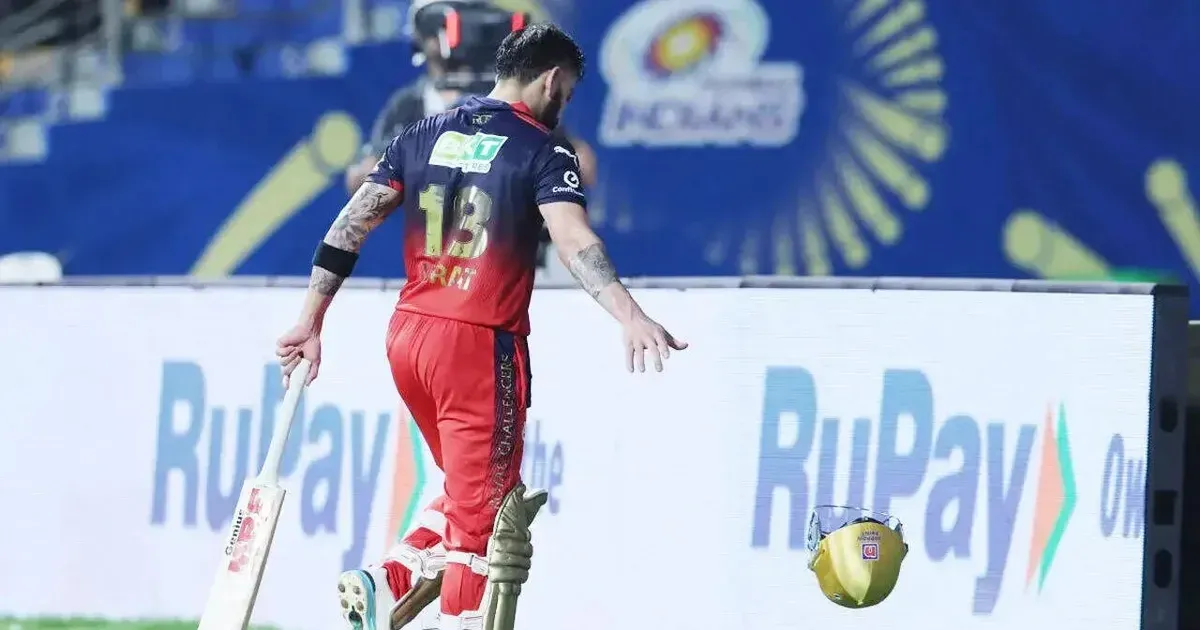
Physical Confrontations and Cricket Equipment Abuse
Dismissal mechanics often reveal the psychological state of elite athletes under intense seasonal pressure. Virat Kohli anchored the innings with calculated precision before a mistimed shot resulted in his exit. By April 13, 2026, tension boiled over as he reached the boundary rope. He hurled his protective gear into the grass, an act that typically invites disciplinary review from match referees. Several teammates avoided eye contact during the outburst, highlighting the internal friction that often accompanies high-stakes IPL fixtures.
Analysts at the stadium observed that the outburst occurred despite the team being in a strong statistical position. Winning the match did not seem to reduce the individual frustration felt by the former captain. Some commentators suggested the anger stemmed from a perceived error in shot selection rather than external factors. Equipment abuse remains a sensitive topic for league officials who prioritize a family-friendly broadcast image. The match referee is expected to file a report regarding the conduct within twenty-four hours.
Observers noted that the sheer force of the helmet throw nearly struck a boundary microphone. Such actions frequently result in fines or demerit points under the existing code of conduct. Kohli did not return to the field for the initial celebration of the victory, though he later joined the team for the customary handshakes. His silence during the post-match interviews added another layer of intrigue to the evening. The franchise has not released an official statement regarding the incident.
Tim David and Ball Handling Disputes
Confusion erupted in the second half of the game when Tim David engaged in a bizarre standoff with the officiating crew. He struck a powerful six that cleared the boundary and landed deep in the seating area. Once the ball returned to the field of play, David refused to hand it back to the bowler or the umpire. This delay persisted for nearly a minute, causing the primary umpire to express visible annoyance at the lack of professional cooperation. Stadium cameras captured the official gesturing toward his watch while David maintained possession of the leather.
Rohit Sharma eventually intervened to defuse the mounting tension between the batter and the official. Laughter broke out among some players as the absurdity of the delay became apparent. This specific interaction contrasts sharply with the earlier aggression displayed by Kohli. While the umpire remained frustrated, the broader mood in the middle shifted toward lightheartedness. David eventually surrendered the ball, allowing the game to proceed under the standard operating procedures. The delay did not result in a formal penalty during the match.
League rules specify that players must return the ball to the officiating crew immediately to ensure the game remains on schedule. This minor rebellion served no tactical purpose but reflected a peculiar psychological trend in the 2026 season. Players appear increasingly willing to challenge the authority of on-field officials in ways that would have been unthinkable a decade ago. Umpires have requested more autonomy to issue immediate run penalties for such time-wasting tactics. The ball was eventually inspected for damage and cleared for continued use.
Defensive excellence often determines the outcome of high-scoring games when batters dominate the landscape. Suyash Sharma became the primary obstacle for the Mumbai Indians chase. He used a series of deceptive variations that prevented the home team from establishing a rhythm. His key wickets neutralized the middle-order threat, effectively ending the hopes of a late-game resurgence. Mumbai finished their twenty overs at 222, falling short by 18 runs despite a valiant effort from their lower-order power hitters.
I have never seen a player of that stature lose his composure so completely after a half-century, and it suggests the pressure of the 2026 season is weighing heavily on the senior leadership.
Pressure at Wankhede Stadium reaches levels that often break the concentration of the most seasoned professionals. The crowd noise consistently exceeded 110 decibels during the final five overs. The environment favors the side that can maintain tactical discipline under extreme auditory stress. Suyash Sharma demonstrated that discipline by sticking to a wide-line strategy that forced the batters to hit against the wind. His economy rate was the lowest among all bowlers who completed their full quota of overs.
Mumbai Indians faced a difficult task chasing 240, a score that requires a strike rate of 12 per over from the first delivery. Their openers failed to capitalize on the powerplay, putting immense pressure on the subsequent batters. This 18-run margin of victory reflects the precision of the Bengaluru bowling unit in the death overs. Every mistimed swing from the Mumbai batters brought the visitors closer to a significant away win. The tactical shift toward slower balls proved to be the decisive factor in the final tally.
Wankhede Stadium Atmospheric Conditions
Evening dew at Wankhede often complicates the task for the team bowling second. Humidity levels on April 13, 2026, were measured at 68 percent, making the ball difficult to grip for the spinners. Despite these conditions, the Bengaluru bowlers maintained their accuracy throughout the 222-run chase. The pitch exhibited a consistent bounce that rewarded aggressive shot-making but punished any lack of timing. Fans remained in their seats until the final delivery was bowled, signaling the enduring appeal of this specific rivalry.
Broadcasting data indicated that the viewership peaked during the final three overs of the Mumbai Indians chase. Advertisers continue to pour record sums into these primetime slots because the drama remains unpredictable. The Kohli incident and the Tim David standoff provided the type of narrative conflict that keeps the league at the center of the sporting conversation. Commercial interests benefit from these outbursts of personality, even if the cricketing purists find them distasteful. Total revenue for the evening is estimated to exceed $11 million across all streams.
Discipline Questions After the Win
Royal Challengers Bengaluru won at Wankhede, but Virat Kohli's visible anger became the lasting image of the match. The outburst complicated an otherwise valuable 18-run victory over Mumbai Indians. The incident unfolded on April 13, 2026, as match officials reviewed the boundary-side confrontation and equipment abuse.