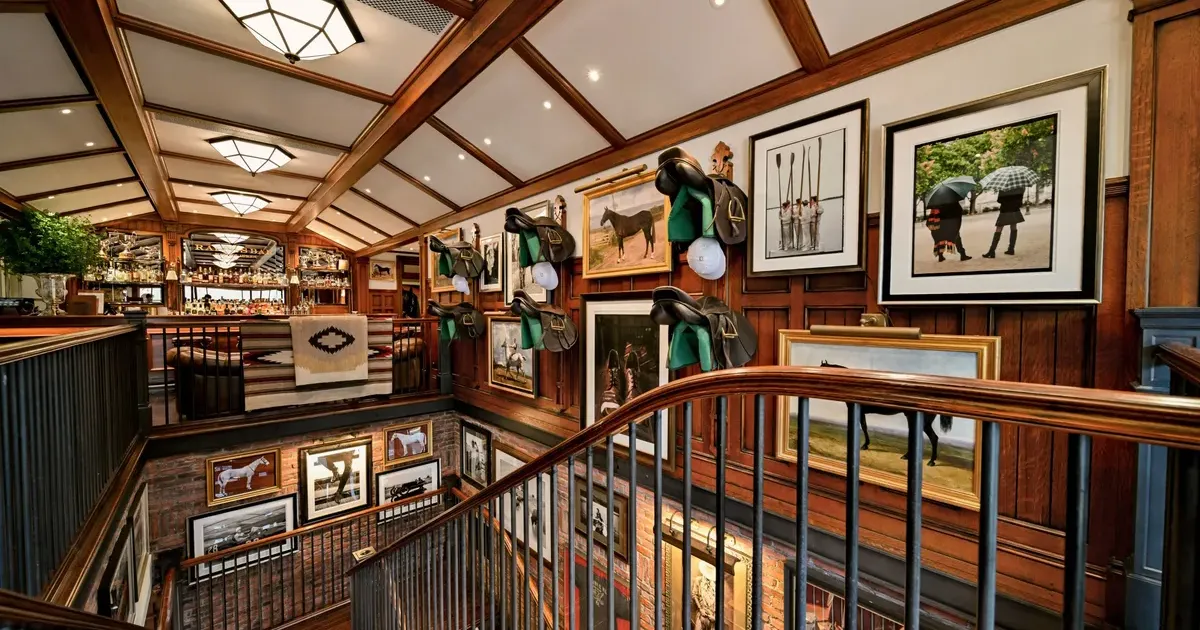
Ralph Lauren Corporation executives and Peachy Den leadership confirmed that major physical retail expansions in China and the United Kingdom are now operational. The updates were confirmed on April 1, 2026. These developments indicate a resurgence in high-capital brick-and-mortar investments despite ongoing global economic fluctuations. Luxury giant Ralph Lauren chose Chengdu for its latest huge flagship while cult London label Peachy Den secured a prime location in Soho.
Chief Executive Officer Patrice Louvet has positioned the Chengdu opening as a centerpiece of a long-term strategy focused on immersive consumer environments. Asia-Pacific CEO Shin Hwee Chua noted that the choice of Chengdu reflects the city's rising status as a premier luxury destination in Western China. Local shoppers in the Sichuan province capital have demonstrated a high appetite for heritage brands that offer lifestyle experiences beyond simple garment sales. Market data from the region shows luxury spending growing at a rate that outpaces traditional hubs like Shanghai or Beijing.
Ralph Lauren Targets Chengdu Luxury Hub
Chengdu's retail environment centers around the Taikoo Li district, where the new flagship utilizes architectural elements that blend American aesthetic codes with local Sichuanese influences. Every floor of the structure provides a different facet of the brand identity, ranging from high-end Purple Label collections to casual wear and hospitality. Louvet describes this approach as essential for capturing the attention of a demographic that values brand history as much as product quality. High-net-worth individuals in Chengdu are increasingly seeking physical spaces where they can interact with the brand's social and cultural universe.
We’re building a world.
Expansion in the Chinese market requires more than stock on shelves, according to internal strategy documents. Corporate leadership focuses on world-building to ensure the brand stays relevant in an increasingly crowded luxury sector. This specific Chengdu site features exclusive lounges and personalized styling services intended to foster long-term loyalty among elite clients. Financial analysts observe that physical stores in China now function as critical marketing channels that drive online traffic. Success in the region depends on maintaining a high-visibility physical presence in emerging tier-one cities.
Peachy Den Expands in London Soho
Cult favorite Peachy Den recently completed its move into a permanent Soho storefront, moving beyond its roots in Shoreditch. The brand achieved $1.5 million in revenue at its previous East London outpost, proving that a community-focused retail model can generate meaningful returns. Founder Isabella Weatherby has prioritized a community-first approach that transforms the store into a social hub for its dedicated follower base. Soho was selected for its historical connection to British fashion and its high footfall of international tourists and local trendsetters. Physical retail acts as a real touchpoint for a brand that gained its initial traction through social media channels.
Operational costs in Soho are notoriously high, yet the brand views the investment as a necessity for scaling. Moving from a niche Shoreditch location to the heart of the West End indicates a desire to transition from a cult label to a mainstream fashion contender. Internal sales data suggests that customers who visit the physical store have a 40 percent higher lifetime value compared to digital-only shoppers. Staff members at the Soho location are trained to act as brand ambassadors who prioritize customer engagement over immediate transactional pressure. This second location marks the start of a broader national expansion plan.
Strategic Pivot to Experiential Commerce
Retailers are distancing themselves from the sterile, transactional environments of the past decade. Experience-led stores provide a sensory engagement that digital platforms cannot replicate through a screen. Ralph Lauren’s Chengdu site and Peachy Den’s Soho shop both use interior design to tell a specific narrative. Architecture, lighting, and even custom scents are deployed to create an emotional connection with the visitor. Industry experts suggest that the future of fashion retail lies in these highly curated, almost theatrical environments.
Direct-to-consumer brands find that physical stores reduce the rising cost of digital customer acquisition. Luxury houses use flagships to control every aspect of the customer journey, from the first greeting to the final packaging. Physicality provides a sense of permanence and reliability that reinforces brand equity in a volatile market. Investors are looking for companies that can balance a strong digital presence with a profitable and influential physical footprint. These new flagships serve as the primary physical manifestations of brand philosophy.
Global fashion growth patterns help explain why brands are treating stores as marketing infrastructure rather than simple sales floors.
Western brands continue to see China as the most serious growth engine for the next decade. Meanwhile, independent UK labels are reclaiming central London spaces vacated by larger department stores. Commercial rents in major fashion capitals have stabilized, allowing for more creative use of square footage. Both large conglomerates and smaller independent labels are finding common ground in the belief that the store is a stage. Analysts predict that more heritage brands will follow the Chengdu model by targeting regional Chinese hubs. Retail remains the most effective way to communicate a brand’s soul to a skeptical public.
Consumer behavior in 2026 favors brands that provide a sense of belonging. Whether it is a luxury lounge in Chengdu or a social space in Soho, the goal is the same. Transactional retail is dead, replaced by a model that prioritizes the relationship over the receipt. Profitability is now measured through a combination of foot traffic, social media mentions, and in-store conversion rates. Brands that fail to invest in the physical world risk being forgotten in the endless scroll of digital competition.
Why Stores Still Matter
Commercial real estate developers continue to feast on the desperation of fashion executives who fear their brands are becoming invisible in the digital void. This rush toward flagships in Chengdu and Soho is less a sign of retail health and more a symptom of a saturated online market where attention is the scarcest commodity. Ralph Lauren and Peachy Den are essentially paying an enormous premium for high-end billboards that occasionally sell clothes. The obsession with world-building is a defensive crouch against the commoditization of fashion by ultra-fast-retail giants.
Is a seven-figure success in Shoreditch enough to survive the predatory leasing environment of Soho? Small labels often find that the very community that built them feels alienated by the polished, corporate atmosphere of a flagship. Scaling intimacy is a paradox that many fashion founders fail to solve. If the store becomes too much of a world, it ceases to be a shop, turning into a museum of a brand that few can afford to inhabit. Most experiential retail is just expensive window dressing.
High overheads will eventually collide with the reality of a cooling global economy. When the novelty of the Chengdu lounge wears off, the balance sheet must still justify the rent. Retail is a brutal game of margins. Efficiency is still king.
"