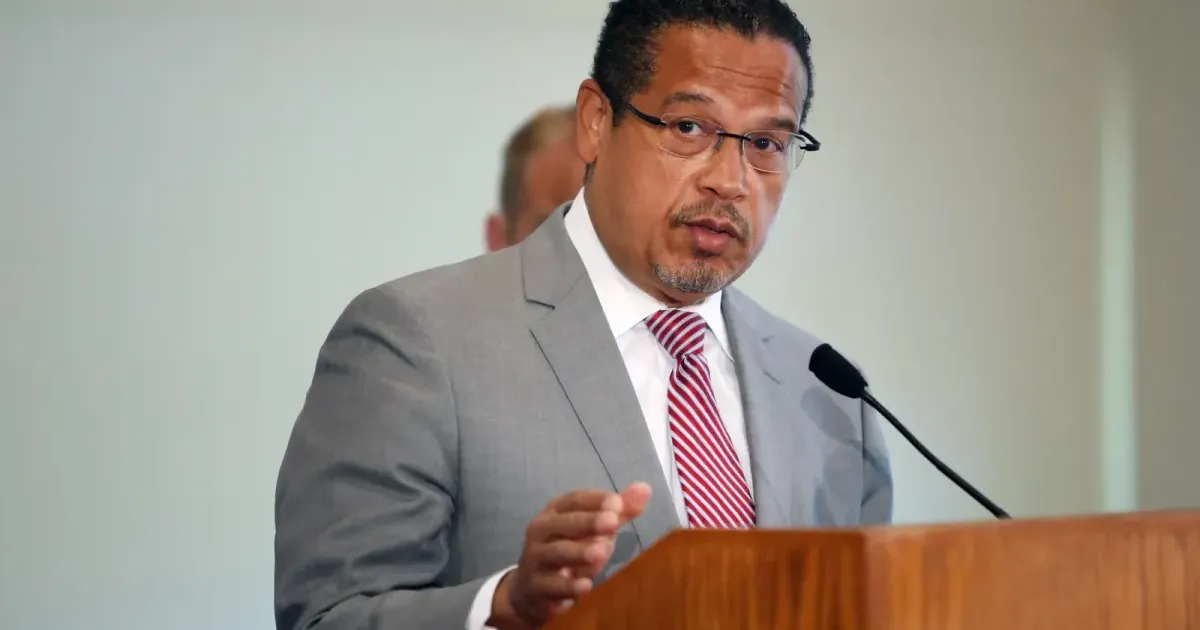
Minnesota officials confirmed that week that a federal judge dismissed a Justice Department lawsuit targeting state laws that provide financial aid to undocumented students. This legal challenge centered on whether Minnesota violated federal statutes by offering in-state tuition and grant eligibility to residents who lack legal immigration status. Federal lawyers had sought to nullify sections of the Minnesota North Star Promise program, claiming the state overstepped its authority under the 1996 Personal Responsibility and Work Opportunity Reconciliation Act. The dismissal was confirmed on March 31, 2026, after federal lawyers challenged the state aid rules.
District judges in Saint Paul determined that the state legislature acted within its sovereign rights when it codified these benefits into law during the 2023 session. Legal experts note that the 1996 federal law, often referred to as the Welfare Reform Act, contains a specific provision known as Section 1621. This section generally prohibits undocumented immigrants from receiving state or local public benefits unless the state passes a new law affirmatively providing for such eligibility. Minnesota lawmakers explicitly included such language when they established the tuition program, which officials cited as the primary reason for the dismissal.
Minnesota Legislative Authority and the North Star Promise
Minnesota established the North Star Promise in 2023 to cover remaining tuition and fees for residents whose families earn less than $80,000 annually. Education leaders designed the initiative to bridge the gap after other federal and state grants are applied. State records indicate that Minnesota Department of Higher Education administrators anticipated the program would serve several thousand students in its first few years. Critics of the policy argued that using taxpayer funds for undocumented students creates an incentive for illegal immigration, but the court focused strictly on the statutory compliance of the legislation.
Legal standing proved to be a hurdle for federal prosecutors during the preliminary hearings. Attorneys representing the state argued that the Justice Department failed to demonstrate how the state-funded grant program caused concrete harm to federal interests. Judges agreed that the federal government could not preempt state law when that state law specifically adheres to the opt-out mechanism provided by Congress three decades ago. Similar programs exist in California, Texas, and New York, all of which have faced varying degrees of legal scrutiny since their inception.
Legislators in Saint Paul intended the 2023 bill to be a direct response to workforce shortages. By expanding access to higher education, supporters claimed the state would see a higher return on investment through increased tax revenue from a more skilled labor force. Opponents, however, countered that the limited pool of state resources should be reserved exclusively for citizens and legal residents. The fiscal impact of including undocumented students in the program is estimated at $8.5 million per year according to state budget forecasts.
Federal Preemption claim Under the Welfare Reform Act
The Trump administration initiated lawsuits against seven states that maintain similar tuition policies for undocumented residents. Federal attorneys argued that the 1996 Welfare Reform Act was intended to discourage illegal migration by cutting off access to public subsidies. They asserted that while Section 1621 provides an escape hatch for states, the Minnesota law did not meet the rigorous standards for an affirmative grant of benefits. State attorneys successfully countered that the specific wording in the 2023 Higher Education Omnibus Bill left no ambiguity regarding legislative intent.
States have the authority to decide how to allocate their own tax dollars for higher education programs and have met all federal requirements to do so legally.
Legal precedents from the 1982 Supreme Court case Plyler v. Doe continue to influence these proceedings. That ruling established that states cannot deny a basic k-12 education to children based on their immigration status. While the Supreme Court has never extended that right to post-secondary education, many states have moved to fill that gap using their own revenue streams. This judicial trend suggests a growing divide between federal immigration enforcement priorities and state-level educational mandates.
Administrators at the University of Minnesota and the Minnesota State system have already begun processing applications under the current rules. Financial aid offices reported that the uncertainty of the lawsuit had caused a temporary dip in applications from eligible undocumented students. Now that the U.S. District Court has issued its ruling, those numbers are expected to stabilize. The dismissal prevents a major disruption to the enrollment cycles for the upcoming academic year.
Judicial Rationale in the Dismissal of Tuition Challenges
Courts have historically been hesitant to intervene in how states manage their internal educational budgets. The ruling emphasizes that the 10th Amendment provides states with serious latitude in areas not explicitly reserved for the federal government. Since Congress provided a specific pathway for states to grant benefits to undocumented individuals, the judiciary found no basis for a preemption claim. Federal attorneys had argued that the Minnesota statute was too broad, but the judge found the legislative text sufficiently specific to satisfy federal law.
Political consequences of the decision are likely to resonate through the 2026 election cycle. Candidates for state and federal offices have already begun using the ruling to highlight their positions on border security and public spending. Pro-immigrant advocacy groups celebrated the dismissal as a victory for student equity and economic growth. Groups favoring stricter immigration controls labeled the decision a setback for the rule of law. Both sides acknowledge that the legal battle may eventually reach the appellate level if the Justice Department chooses to file an appeal.
Future challenges to state-level benefits will likely hinge on the exact phrasing of state statutes. Minnesota’s success in court resulted from the precise drafting of the North Star Promise language. States that lack such specific statutory phrasing remain vulnerable to federal intervention. The ruling provides a template for other legislatures looking to protect their tuition equity programs from federal interference.
Tuition Policy Boundary remains the practical lens for what follows.
The dismissal gives Minnesota room to maintain its student-aid model, but the legal fight is unlikely to end the national dispute. States still face pressure over where education access meets federal immigration limits.