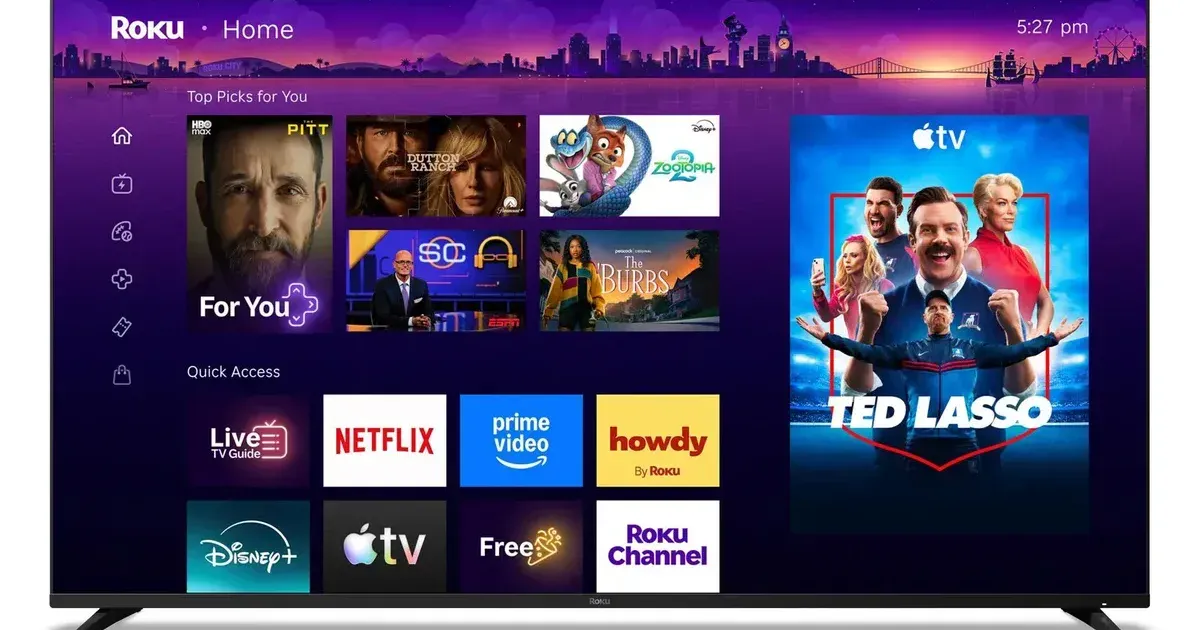
Fox Corporation agreed to acquire Roku in a cash-and-stock transaction valued at about $22 billion, giving Fox control of one of the most important connected-TV platforms in the United States. The transaction would reshape the advertising side of streaming. It also raises a regulatory issue over whether a media company should control both programming and a major gatekeeper device platform. The companies announced the definitive agreement on June 15, 2026.
Roku shareholders would receive $160 per share, made up of $96 in cash and 0.9693 shares of Fox Class A common stock for each Roku share, according to the companies. The deal is expected to close in the first half of 2027, subject to shareholder and regulatory approvals.
Fox Moves From Content Toward Platform Control
The transaction would push Fox beyond its traditional position as a programmer built around news, sports and entertainment brands. Roku gives Fox direct access to the operating system, advertising inventory and viewing data that shape how millions of households navigate streaming television.
The strategic logic is clear. Fox already owns Tubi, one of the largest free ad-supported streaming services. Roku adds hardware reach, the Roku Channel and a connected-TV advertising platform that can be combined with Fox's live sports and news inventory.
That combination would make the merged company a larger force in ad-supported streaming, a segment where scale, data and interface placement matter as much as any single show or channel. The move also reflects Fox's post-Disney identity. After selling much of its entertainment studio business in 2019, Fox leaned into live news, sports and free ad-supported streaming rather than trying to match Netflix with a large scripted-content library.
Roku gives that strategy a distribution spine. Instead of relying only on apps inside other companies' devices, Fox would own a platform that sits between viewers and much of the streaming market.
Regulators Will Scrutinize the Vertical Deal
The acquisition is likely to receive close antitrust attention because it joins a major content owner with a major distribution platform. Rivals will ask whether Fox could favor its own services on Roku devices or use platform data in ways that disadvantage competitors.
Fox and Roku will argue that the streaming market remains intensely competitive, with Amazon, Google, Apple, Samsung, Netflix and other players shaping consumer access. Regulators will need to decide whether the deal increases competition or gives Fox too much control over a key living-room gateway.
Financing will also be watched. Reports and company materials point to a mix of cash, Fox stock and new debt to support the cash portion, with Fox shareholders expected to own most of the combined company after closing. The review will likely focus on how Roku ranks apps, sells advertising and shares data. Those details can determine whether a platform owner merely distributes content or quietly shapes which services win attention on the home screen.
Rival streamers will therefore study the terms closely. If Fox can use Roku to strengthen Tubi or other Fox services, competitors may seek stronger protections in distribution agreements.
Why the Roku Price Matters
The $160-per-share price gives Roku investors a premium after years of volatility in streaming and digital advertising. It also signals that Fox sees connected-TV infrastructure as essential to its next phase, not simply as an optional distribution partner.
For Roku, the deal offers scale and a stronger content partner at a time when streaming platforms are fighting for advertising dollars and user attention. For Fox, it is a bet that owning the interface will matter more as traditional cable continues to shrink.
The agreement still has to survive review and integration risk. If it closes, Fox will become not only a content company with streaming assets, but a platform owner with a direct role in how audiences find television. That shift explains the size of the wager. Fox is paying for a place in the living-room interface at a time when the old cable bundle continues to lose power and connected-TV advertising becomes more valuable.
Roku shareholders now have a premium exit, while Fox investors have to judge whether the company can manage a technology platform, advertising marketplace and hardware ecosystem without losing focus on its core live programming strengths. That judgment will begin well before the expected 2027 closing date.