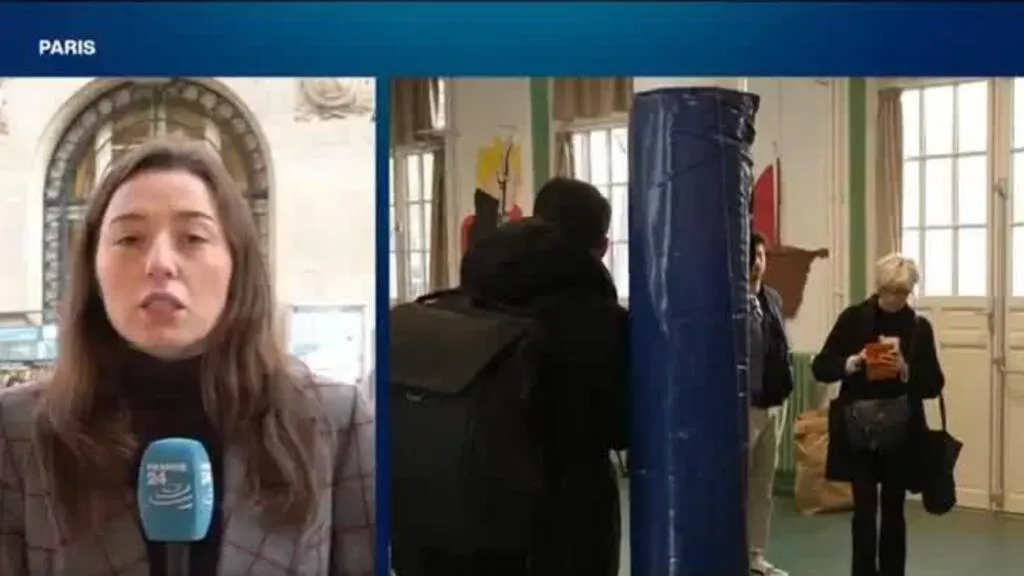
French voters returned to the polls on March 22, 2026, to settle mayoral contests in over 1,500 cities during high-stakes runoffs. Polling stations across the country opened at 8:00 a.m. local time, welcoming citizens tasked with choosing leaders for approximately 1,500 communes. Success in this second round of voting will determine the political direction of urban centers for the next six years. Voter turnout is still a primary concern for the interior ministry, which tracked moderate engagement during the first round of balloting last Sunday. National political figures have spent the last six days campaigning for their local candidates, hoping to secure regional strongholds ahead of next year's presidential contest.
Paris and Marseille remain the most contested prizes of the day. In the capital, an intricate system of district-level voting means the final result may not be known until early Monday morning. Current reporting from the interior ministry indicates that while the first round saw a surge for fringe parties, traditional coalitions have spent the intervening week consolidating their positions. The National Rally and radical left groups are both vying for influence in cities that historically favored centrist or mainstream conservative candidates. Security officials deployed extra personnel to polling sites in major metropolitan areas to ensure order as tensions rose between rival ideological camps.
To that end, the logistics of the French municipal system require candidates to earn an absolute majority or navigate complex alliance-building between rounds. Local election laws permit any candidate who received more than 10 percent of the vote in the first round to proceed to the second. Many third-place finishers chose to withdraw this week, throwing their weight behind better-positioned allies to block opponents. According to France 24, these strategic withdrawals are most prevalent in districts where the far right threatens to take executive control. Candidates in these regions have formed what is known as a republican front, a tactic aimed at consolidating the anti-extremist vote behind a single viable challenger.
Paris and Marseille Municipal Runoffs Reach Climax
Paris is the ultimate test of the current governing coalition’s resilience. Incumbent leadership faces a stiff challenge from a revitalized leftist bloc that has focused on environmental reform and social housing initiatives. But the debate in the capital has also focused heavily on public safety and the rising cost of urban living. Voters in the 20 arrondissements must decide whether to maintain the current path or embrace a more radical shift in fiscal priorities. The Parisian municipal council controls a budget exceeding $11 billion, making the office of mayor one of the most powerful administrative roles in the nation.
Paris faces a potential gridlock.
Meanwhile, the situation in Marseille mirrors the national divide between the Mediterranean coast and the northern industrial heartlands. Rival factions have clashed over redevelopment plans for the city’s historic port district, with some groups demanding more investment in social infrastructure. First-round results in the southern port city showed no clear winner, forcing a three-way contest in several key sectors. Still, the final tally depends on how many voters from the eliminated center-right parties migrate toward the remaining candidates. Local organizers in Marseille reported steady lines at polling places throughout the morning, suggesting that the local stakes have successfully motivated a weary electorate.
The stakes for 2027 are etched into every ballot cast in this second round, reflecting a nation that is deeply divided over its economic and cultural future.
Antonia Kerrigan of France 24 noted that the atmosphere in the capital was expectant and tense. Voters in the northern suburbs of Saint-Denis and Aubervilliers are participating in runoffs that could resolve enduring disputes over local development. In turn, these results will dictate how municipal services are delivered to millions of residents in the Greater Paris region. By contrast, smaller communes in the rural interior have largely already settled their leadership, leaving the national spotlight fixed firmly on the urban centers. Participation rates in these cities are expected to eclipse those of the 2020 local elections.
Far Right Gains Challenge Traditional French City Governance
Nationalist parties achieved notable first-round breakthroughs in several medium-sized cities, particularly in the rust belt of the north and the populist strongholds of the south. These successes have forced traditional parties into uncomfortable defensive positions. For instance, the National Rally is competing to take control of several major municipal councils that have been held by the center-left for decades. Success in these runoffs would provide the party with a major administrative platform and a chance to prove its governing credentials at a local level. But mainstream opponents have argued that nationalist policies would isolate these cities from national and European funding streams.
Momentum shifted toward the outskirts.
Yet the far-right surge is being met with a counter-surge from the radical left, which performed better than expected in student-heavy cities like Lyon and Montpellier. These leftist groups have successfully mobilized younger voters by focusing on climate change and wealth inequality. In turn, the centrist parties associated with the national government are finding themselves squeezed between two energetic extremes. Election observers have noted that the centrists must retain control of at least half of the top ten largest cities to claim any form of national victory. Failure to do so would leave the president’s party without a local base of operations for future campaigns.
Electoral Alliances Determine Outcomes in Tense Local Contests
Alliances formed over the last six days are the primary drivers of today's results. In fact, most of the 1,500 cities up for grabs are seeing head-to-head contests that were three-way or four-way battles just one week ago. Candidates who refused to step down have faced intense pressure from their national party headquarters. For one, the Green party and the Socialists have successfully merged their lists in several dozen municipalities to create a unified leftist front. This strategy has historically been effective in urban areas, where the combined vote of the left often exceeds any single conservative or centrist challenger.
Separately, the center-right Republicans are fighting to remain relevant in a landscape that is increasingly polarized. They have entered into several tactical agreements with the governing centrist coalition to prevent the far right from gaining a foothold. So, the final outcome in cities like Bordeaux and Toulouse will depend entirely on the discipline of these voters. If center-right voters refuse to support centrist candidates, the door remains open for upset victories. Early exit polls suggest that while some voters are adhering to party instructions, a major minority is choosing to abstain rather than vote for a former rival.
French Local Elections Predict 2027 Presidential Power Shift
Results from these runoffs are widely viewed as a bellwether for the 2027 presidential election. While local issues often dominate municipal campaigns, the national parties have used these contests to test their messaging and ground games. Even so, the disconnect between local governance and national sentiment can lead to misleading conclusions. A mayor may be popular for fixing potholes while their national party leader remains reviled for economic policies. Yet the sheer volume of cities currently in play provides a massive data set for political analysts looking to map the country's changing allegiances. The geographical distribution of wins will show whether the far right is truly expanding beyond its traditional bases.
Polling stations will close at 6:00 p.m. in smaller towns and 8:00 p.m. in the major cities. Once the doors shut, the counting process begins immediately under the supervision of local volunteers and judicial observers. Preliminary results are expected within minutes of the final polls closing, thanks to France’s centralized reporting system. These numbers will confirm whether the populist momentum of the first round was a fleeting protest or a durable shift in the political order. Citizens across the nation are now waiting for the figures that will define their local leadership until 2032.
The Elite Tribune Perspective
Political analysts often mistake local grievances for national mandates, yet the current trend in France suggests a deeper fragmentation that cannot be ignored. The traditional two-party system that once stabilized the Fifth Republic has dissolved into a chaotic three-way struggle between nationalist populism, radical leftism, and a beleaguered centrist core. While the media focuses on the horse race in Paris, the real story lies in the erosion of the republican front. This tactical alliance, which once reliably quarantined extreme parties, is now fraying as voters grow weary of being told who to vote against rather than who to vote for.
If the National Rally manages to secure even a handful of major cities, the psychological barrier to their national ascent will have effectively vanished. We should be skeptical of claims that these elections are merely about trash collection or local transit. They are an autopsy of a dying political consensus. The voters casting ballots today are not just choosing mayors; they are participating in the slow, grinding reorganization of French power. This process will likely culminate in a 2027 showdown that will leave the old guard unrecognizable.
The era of comfortable centrist dominance is over, and the urban-rural divide has become a permanent feature of the French electorate.