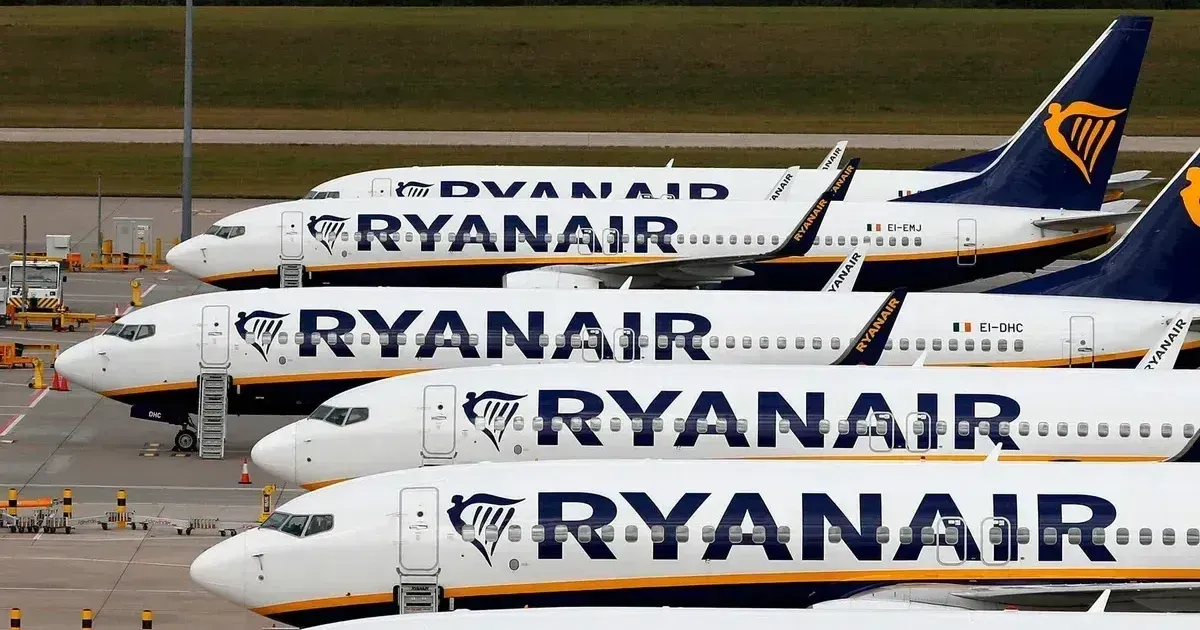
Fuel costs are forcing airlines and ride-share drivers into the same margin squeeze. On April 19, 2026, global energy markets entered a volatile period for global energy markets as the escalating military conflict involving Iran and Israel continues to restrict oil exports. Crude prices surged past record thresholds early this morning, creating immediate ripples through the transportation and gig economy sectors. Commercial aviation hubs in the United States and Europe report dwindling reserves of refined jet fuel. Travelers planning seasonal departures face a reality of canceled routes and historic surcharges. Market analysts at major financial institutions suggest the duration of this supply shock depends entirely on the stability of the Strait of Hormuz.
Domestic fuel stations have already adjusted their price displays three times since the beginning of the week. Mobility, once a cheap commodity, has become a luxury.
Aviation sectors in North America are currently struggling to maintain flight schedules to major European destinations. Shortages of high-altitude propellant have forced several carriers to implement weight restrictions or technical stops for refueling on trans-Atlantic routes. While traditional carriers attempt to absorb costs through pre-purchased fuel hedges, the sheer scale of the price spike has rendered many of these contracts insufficient. Passengers find themselves paying double for tickets that were booked only a month ago. International tourism officials worry that a sustained period of high costs will dismantle the recovery of the hospitality industry.
Jet fuel availability remains a primary concern for logistics managers at major cargo firms. Operations at Heathrow and Charles de Gaulle have already seen minor reductions in daily departures.
Aviation Carriers Confront Escalating Jet Fuel Costs
International travel patterns are shifting rapidly as the Washington Post reports that the war in Iran is disrupting the supply of essential petroleum products. European vacations, once a staple of summer planning for millions of Americans, are now under threat from a lack of affordable airfare. Airlines cannot simply swallow the cost of fuel that has risen 40% in less than a fiscal quarter. Strategic reserves are being tapped, yet these measures offer only temporary relief for an industry that operates on razor-thin margins.
Frequent flyers are seeing the return of fuel surcharges that exceed the base price of the ticket itself. Maintenance of these global networks requires a steady flow of kerosene-based fuels that are currently trapped behind a blockade. Smaller regional airports are feeling the pinch even more sharply than major hubs.
Financial pressure on carriers is resulting in the suspension of less profitable routes. Middle-tier cities may lose their direct connections to international business centers by the end of May. Fueling contracts are being renegotiated under duress. Some industry experts believe that the current crisis will lead to a permanent restructuring of how airlines price their services. Long-haul travel could return to the elitist status it held in the mid-twentieth century. Profitability has disappeared for several low-cost carriers in the current environment. Stability in the aviation market is tied directly to the resolution of hostilities in the Persian Gulf.
Gig Economy Profitability Collapses for Ride-Share Drivers
Drivers for Uber and Lyft across the United States are witnessing their take-home pay evaporate at the pump. Many contractors report spending an additional $300 per month on gasoline compared to the start of the year. This fiscal drain forces a difficult choice between working longer hours or abandoning the platform entirely. Corporate responses to the crisis have been met with open hostility from the workforce. Support packages offered by the ride-hailing giants have been characterized by participants as inadequate. Personal vehicles, once seen as tools for financial independence, have become liabilities. Drivers in metropolitan areas like New York and Los Angeles are particularly vulnerable to these price fluctuations. Profit margins for the average gig worker have essentially hit zero.
“I don’t want to waste the gas,” an anonymous driver told the Guardian while discussing the choice between continuing service or parking their vehicle.
Operational costs for independent contractors now outweigh the potential earnings from short-distance trips. Many individuals have decided to stay home rather than risk a net loss on a day of driving. Uber has implemented a temporary surcharge for riders, but drivers claim the portion they receive does not cover the reality of a five-dollar-per-gallon market. Dissatisfaction among the labor force is leading to longer wait times for customers and a decrease in service reliability. Ride-share companies are facing a recruitment crisis as the benefit of gig work collapses under the weight of energy inflation.
Some drivers are turning to food delivery apps where distances are shorter, though these markets are also becoming saturated. Tensions between the platforms and their contractors are reaching a breaking point.
Iranian Energy Production and Global Supply Chains
Geopolitical instability in the Middle East has removed millions of barrels of oil from the daily global supply. Refineries in the Mediterranean and the Persian Gulf are operating at reduced capacity or have been caught in the crossfire of the conflict. Israel has intensified its focus on energy infrastructure, leading to a direct impact on the global price of Brent crude. Logistics firms that rely on the Suez Canal are seeing shipping insurance rates skyrocket. Every sector of the economy that requires physical transportation is feeling the secondary effects of this disruption.
Inflationary pressures are no longer confined to the energy sector but are bleeding into food and consumer goods. Supply chains are tightening as companies prioritize essential shipments over discretionary consumer products.
Manufacturing hubs in Asia and Europe are reporting delays in the arrival of raw materials. Cost-of-living indices are rising in every major Western economy. Central banks are watching these developments with caution as they weigh the risks of further interest rate hikes. Energy independence has once again become the central theme of political discussion in Washington and London. Private equity firms are shifting their focus toward domestic energy production and alternative technologies. Reliance on foreign oil has proven to be a serious strategic vulnerability during this period of kinetic warfare. The market remains in a state of high alert as each news cycle brings reports of new strikes on production facilities.
Fuel Shock Tests Mobility Economics
The era of frictionless, low-cost mobility is dead. For a decade, the global economy thrived on the illusion that geographic distance had been conquered by technology and cheap fossil fuels. The current conflict in the Middle East has shattered this fantasy. What is unfolding is the collision of the digital gig economy with the harsh physics of resource scarcity. Uber and Lyft built their empires on the backs of a desperate labor force and subsidized fuel, but that model cannot survive oil at $120 a barrel. When the cost of the kinetic energy required to move a human from point A to point B exceeds the value of the service, the platform becomes a ghost town.
Aviation is facing an even more existential reckoning. The democratization of air travel was a byproduct of a specific geopolitical calm that has now evaporated. If long-haul flights become the exclusive domain of the ultra-wealthy once again, the cultural and economic integration of the last thirty years will begin to unravel. Governments will be tempted to bail out these carriers, but no amount of fiat currency can conjure jet fuel out of thin air. The world is entering a period of enforced localism. The strategic winner will not be the one with the best app, but the one with the most secure energy pipeline. Mobility is no longer a right; it is a rationed resource. The party is over.