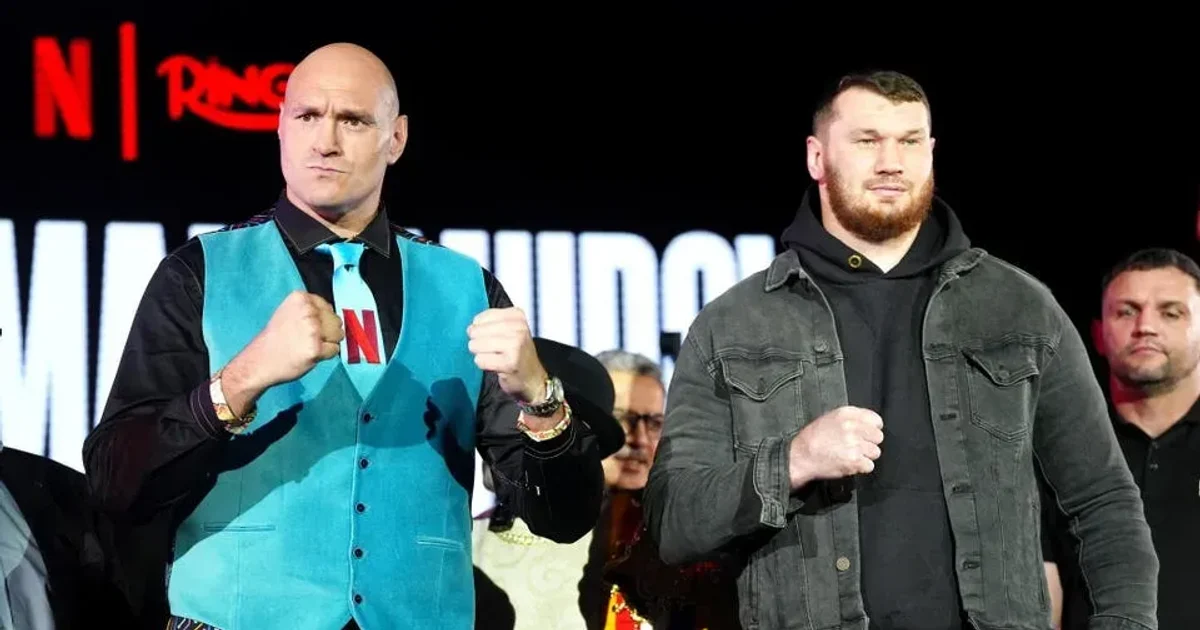
Tyson Fury finalized his tactical preparations for a heavyweight showdown in London that indicates a significant change in global sports broadcasting. Netflix will host the April 11 event featuring Fury against Arslanbek Makhmudov, representing a departure from the legacy pay-per-view models that defined the heavyweight era for forty years. Streaming platforms now seek to capture the large audiences once reserved for premium cable networks, placing traditional distributors in direct competition with Silicon Valley giants. Tyson Fury brings his undefeated reputation to the Tottenham Hotspur Stadium for a fight that dictates the future of the division. The April 4, 2026 boxing schedule put multiple heavyweight storylines into the same crowded month.
Arslanbek Makhmudov enters this contest with a reputation for destructive punching power and a record that has largely avoided the top tier of the rankings until now. Matchmakers scheduled the main card for 2 PM ET, ensuring that North American viewers can watch the early rounds during the afternoon. Ring walks for the main event are expected to start around 5 PM ET. Ten fights include the full card, showcasing prospects across several weight classes before the heavyweights take the ring. Arslanbek Makhmudov must overcome the reach and movement of a champion who has consistently outboxed larger opponents.
Subscription models offer a different financial incentive for fighters compared to the volatility of pay-per-view sales. Netflix subscribers will access the fight without an additional fee, a move that potentially increases the total viewership count to tens of millions. Traditional promoters argue that the high purses required by heavyweight stars still require a per-event charge. This debate continues as the industry observes how a flat subscription fee impacts the bottom line for elite athletes. Analysts expect the viewing data from April 11 to influence how future television rights are negotiated in the United Kingdom and United States.
Deontay Wilder has chosen a different path for his return to the ring by partnering with an established sports streaming service. DAZN will broadcast Wilder versus Dereck Chisora on a pay-per-view basis, charging fans $49.99 to access the event. This strategy targets the core boxing demographic willing to pay a premium for specific matchups. Wilder needs a victory to remain relevant in the title conversation after recent setbacks. Chisora is a durable veteran who has faced nearly every major name in the current heavyweight landscape.
Scheduling conflicts often arise when multiple major fights occur in the same month. Deontay Wilder and Dereck Chisora will enter the ring for their main event walks at approximately 5:26 PM ET. Fans may find themselves switching between platforms if the undercard durations vary between the London and US-based shows. Precise timing is essential for broadcasters who want to capture the peak of the evening's attention. Market fragmentation forces consumers to choose between a one-time payment and a monthly subscription fee.
Netflix Entry Into Global Heavyweight Broadcasting
Broadcasting rights for major sporting events are shifting toward platforms with the largest global footprints. Netflix has used its existing infrastructure to bypass the need for traditional cable infrastructure in rural and international markets. Tyson Fury provides the perfect vessel for this experiment given his charismatic public persona and international recognition. Makhmudov represents the unknown variable, a fighter who could disrupt the commercial plans of the streaming giant with a single punch. Success for the platform depends on technical stability during a high-traffic live event.
Stadium logistics at Tottenham Hotspur Stadium present unique challenges for a multi-fight card. Security and production crews must manage an enormous crowd while maintaining the rigorous schedule required for a global stream. Boxing events in soccer stadiums require specialized lighting and sound configurations to reach the upper tiers of the arena. Fury has fought in similar venues before, giving him a level of comfort that his opponent may lack. The atmosphere in London on April 11 will serve as a backdrop for what Netflix hopes is the first of many live sports ventures.
Financial analysts monitor the $49.99 price point of the Wilder-Chisora fight as a gauge for consumer sentiment. High prices often lead to increased piracy, yet they also provide the immediate capital needed to pay high-profile athletes. DAZN has experimented with various pricing tiers to find a balance between subscriber growth and per-event revenue. Wilder remains one of the most bankable names in the sport despite his recent losses. His ability to end a fight with a single right hand makes his matches a consistent draw for the pay-per-view audience.
Financial Models of Modern Boxing Pay-Per-View
Revenue streams for these events extend beyond the initial broadcast fees to include international syndication and sponsorship deals. Betting houses have already released odds for both heavyweight bouts, favoring the established champions over the challengers. Fury maintains a meaningful lead in the betting markets due to his defensive skills and height. Makhmudov is viewed as a live underdog whose best chance lies in the early rounds. Wilder is also a favorite against Chisora, though many experts believe the fight will go longer than his previous knockout victories.
Heavyweight boxing currently lacks a single, unified champion, creating a vacuum that these April matches intend to fill. Promoters use these dates to build momentum for a potential undisputed title fight later in the year. If Fury and Wilder both win, the pressure for them to meet for a fourth time will likely increase. This commercial reality drives the scheduling of high-risk bouts against dangerous opponents like Makhmudov and Chisora. One loss can derail a multimillion-dollar negotiation scheduled for the winter season.
Tyson Fury holds a professional record of 34 wins, 0 losses, and 1 draw, with 24 knockouts. His opponent, Arslanbek Makhmudov, boasts 18 wins with 17 coming by way of knockout, illustrating a different tactical approach. Fury relies on movement and feints, whereas Makhmudov seeks to close the distance and land heavy combinations. The contrast in styles often produces the strongest heavyweight matches. Training camps for both men have focused on endurance given the likelihood of a high-intensity start.
Deontay Wilder enters his April match with 43 wins, 3 losses, and 1 draw. Dereck Chisora has 34 wins and 13 losses, but his experience in high-pressure situations makes him a dangerous gatekeeper. Wilder needs a knockout to prove that his power remains intact after his grueling trilogy with Fury. Chisora has hinted that this could be one of his final appearances in the ring, adding a layer of urgency to his performance. Every heavyweight match in April carries consequences for the entire top ten of the division rankings.
Heavyweight Schedule Tests Boxing Attention
The April boxing schedule gives promoters star power, but splitting attention across rival heavyweight events can dilute the audience. The winners will be the fighters who turn broadcast hype into a clear next bout.