Juan Soto exited the New York Mets lineup on April 4, 2026, after experiencing serious discomfort in his right leg during the first inning against the San Francisco Giants. The early exit changed the game story immediately and left the Mets waiting for a clearer medical read on Soto's calf. Athletic trainers met the outfielder on the field following his initial plate appearance to assess what was later described as tightness in the right calf. Silence descended upon Oracle Park as the most expensive asset in the New York organization walked slowly toward the visitor clubhouse. Initial reports from the training staff characterized the move as precautionary, yet the absence of their primary offensive engine immediately transformed the atmosphere of the contest.
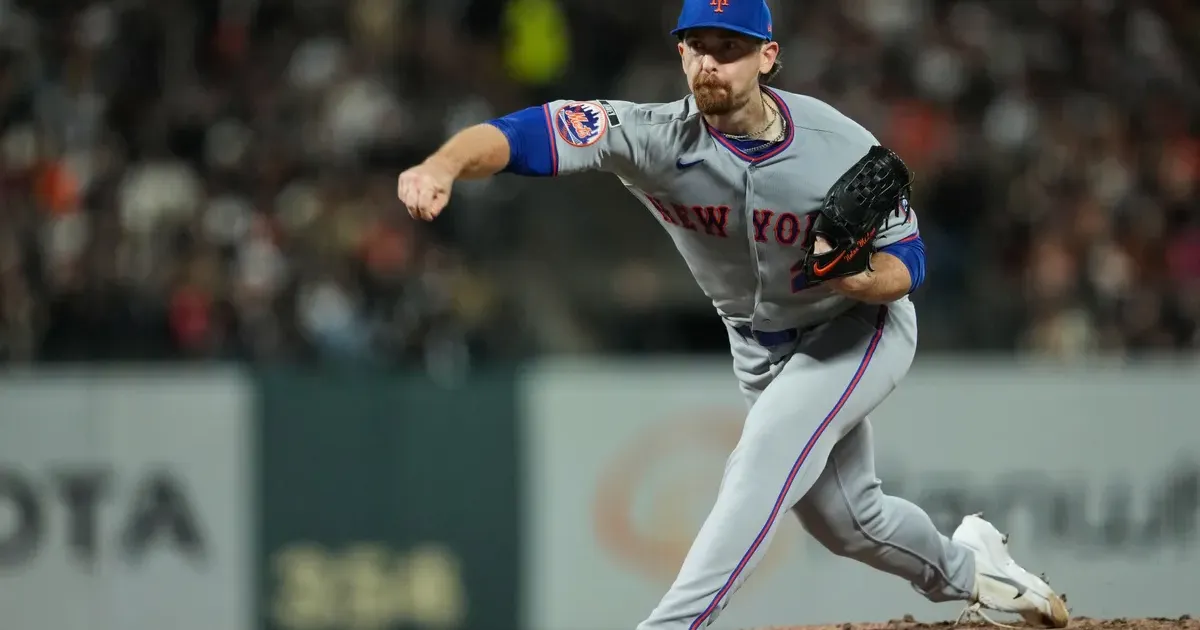
Oracle Park witnessed a dominant pitching performance from Nolan McLean despite the growing anxiety surrounding the star outfielder. McLean surrendered only two hits over seven scoreless frames, effectively silencing the San Francisco bats while his own offense built a large lead. Mets hitters responded to the loss of their teammate by mounting a relentless attack, recording six runs in the first four innings. New York eventually secured a decisive victory, though the lopsided score did little to ease the concerns of the front office regarding their franchise player.
"The bats erupted and Nolan McLean dominated, but Friday night was defined for the Mets by who wasn't on the field following his first at-bat," one game report observed.
Observers noted that Soto did not appear to be in extreme pain as he descended the dugout steps. He maintained a steady gait, which often indicates that the injury is limited to a Grade 1 strain or simple cramping. Previous instances of calf tightness in high-profile athletes have resulted in missed time ranging from three days to four weeks. New York cannot afford the latter scenario given the current competitive state of the National League East. New York invested over $500 million to ensure the presence of generational talents like Soto in their pursuit of a championship. Every game missed by a player of this caliber is a meaningful loss in projected on-field value and marketing momentum. Ownership under Steve Cohen has demonstrated a willingness to spend, but the roster remains top-heavy and vulnerable to the loss of its core contributors. Analytics suggest that Soto accounts for nearly two wins above replacement per month when playing at full capacity. This concern aligns with broader MLB injury trends affecting star players early in the season.
Sponsors and broadcast partners also monitor the health of marquee names with intense scrutiny. Attendance figures and television ratings often fluctuate based on the availability of superstars who command national attention. San Francisco Giants officials acknowledged the draw that Soto provides, noting that ticket demand for the series had reached seasonal highs. A long-term injury would deprive the league of one of its most recognizable faces during a critical stretch of the spring schedule. Insurance policies for major league contracts frequently include clauses regarding time lost to specific physical ailments. The financial implications for the New York Mets extend beyond the box score to include luxury tax considerations and future roster flexibility. Ensuring a quick recovery is not just a sporting necessity but a corporate priority for the multibillion-dollar entity. Internal documents suggest the team had already planned to manage Soto's workload throughout the grueling 162-game season.
Lineup Adjustments and Nolan McLean Dominance
Managerial decisions on the bench shifted immediately once the injury became apparent to the coaching staff. Replacing the production of a perennial MVP candidate is a mathematical impossibility for a single bench player. Depth pieces in the New York system must now prepare for increased plate appearances against elite National League West pitching. Coaches spent the middle innings of the Giants game shuffling defensive assignments to cover the vacancy in right field. Success for the Mets in the coming weeks hinges on the continued emergence of young talents like McLean. His ability to navigate a veteran San Francisco lineup provided the stability the team needed during a chaotic evening. McLean used a high-velocity fastball and a sweeping slider to record nine strikeouts, proving his worth as a foundational piece of the rotation. Reliable pitching can often mask offensive deficiencies caused by the absence of a superstar hitter. Roster moves are expected before the next game of the series to provide additional outfield cover. Triple-A affiliates have been placed on alert, with several prospects ready to fly to the West Coast on short notice. Internal discussions centered on whether to move a regular starter to right field or use a platoon system until Soto returns. The front office remains cautious about rushing their star back into the lineup prematurely.
Confidence in the clubhouse persists despite the looming uncertainty of the medical report. Players emphasized the importance of maintaining focus on the current road trip rather than speculating on long-term outcomes. Professional athletes frequently deal with the sudden removal of teammates, yet the gravity of a Soto injury is impossible to ignore. Clubhouse leaders spent the post-game media session praising the resilience of the group while acknowledging the difficulty of the situation.
Calf injuries can shift quickly from day-to-day discomfort to a longer absence if a player pushes too early.
New York's next lineup decision will depend on whether Soto can run the bases without compensating for the injury.
Soto Injury Leaves Mets Waiting
The Mets can absorb one early exit if the calf issue proves minor. Until imaging or a clearer medical update arrives, the useful baseball question is how long New York can protect the lineup without Soto at full speed.