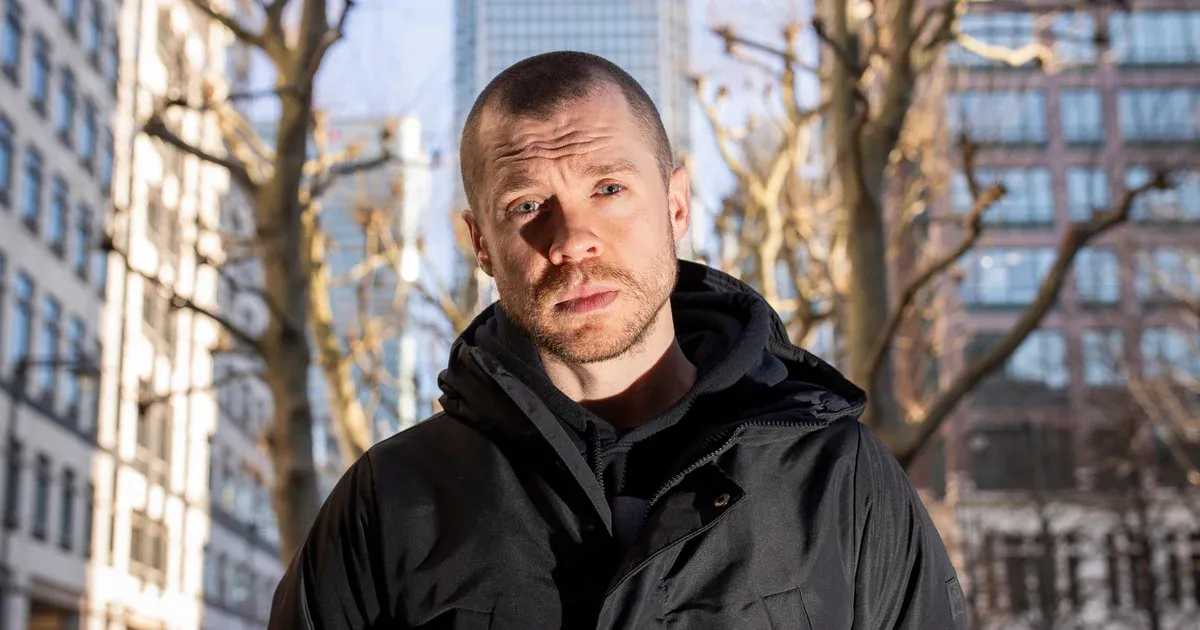
Gary Stevenson is ending the weekly videos that turned a former City trader into one of Britain's most visible online advocates for a wealth tax. He cited exhaustion and health concerns, closing the regular schedule of a channel that linked inequality, asset ownership and falling living standards for a large digital audience.
The announcement was reported on July 26, 2026, after Stevenson delivered a 48-minute address to camera and released an 18-minute version on social media. He said producing the weekly installments had become progressively harder as he grew more tired. Gary's Economics has 1.64 million subscribers, giving the departure significance beyond an ordinary creator schedule change.
The move is not necessarily a permanent withdrawal from public life. Stevenson said he planned to take a break in Japan and was considering a podcast, while leaving open the possibility of monthly videos. The precise change is the end of his weekly publishing commitment, not a confirmed end to every future appearance or economic argument. Stevenson's authority with supporters comes partly from his former career at Citibank and the account in his memoir Trading Game of making millions after the financial crisis. He later described leaving the City with burnout and disillusionment. Online, he used that experience to argue that continued concentration of assets among the richest households was weakening the finances of workers, the middle class and government.
Two Wealth-Tax Estimates Show Different Policy Designs
His preferred proposal is a 2% annual tax on individual wealth above £10 million. Stevenson says that design would raise £24 billion a year for the Treasury. That figure is his estimate and should not be confused with money already budgeted or an official government forecast. It depends on the tax base, valuation rules, enforcement and the behavioral response of people covered by the levy.
A separate study cited in the source examined a narrower group: the 1,000 UK households with wealth above £100 million. It estimated that taxing those households could produce £10 billion. The £24 billion and £10 billion figures describe different thresholds and proposals, so they are not competing measurements of one identical policy.
Political support is becoming more visible. Prime Minister Andy Burnham is facing calls to raise taxes on the ultra-rich, while about 120 millionaires, including former footballer Gary Lineker, signed an open letter asking the government to tax them more. Their intervention does not settle the design questions, but it shifts part of the argument from whether wealthy taxpayers will object to which group, rate and valuation method a workable levy would use.
The campaign has also faced criticism from more than one direction. A Channel 4 documentary that took Stevenson's arguments to people who could face the tax received a poor response from some reviewers. Tax lawyer and investigator Dan Neidle urged him to separate anger about inequality from the choice of tax instrument, while a Telegraph review argued that his direct-to-camera style did not translate well into debate with skeptical interviewees.
The Campaign Must Outlast Its Weekly Distribution Engine
Those criticisms matter because Stevenson's channel fused a policy case with one recognizable messenger. Weekly videos let him repeat an account of wealth accumulation in accessible language and build a subscriber base larger than many specialist economics publications could reach. The same concentration created a vulnerability: fatigue affecting one presenter could interrupt the campaign's most consistent distribution channel.
The wealth-tax debate is now broader than the channel. Burnham's position, the separate £10 billion study and the millionaires' letter provide political and institutional reference points that do not depend on Stevenson posting every week. Yet his reduced schedule removes a regular source of public explanation at the moment supporters need to answer difficult questions about asset valuation, avoidance, liquidity and enforcement rather than rely only on the moral case against inequality.
The next test is whether the proposal can become more rigorous as its best-known online advocate steps back. A podcast or monthly video could preserve Stevenson's voice with less strain, but a durable tax campaign needs multiple experts and organizations capable of defending its mechanics. Ending the weekly schedule may protect his health; it also reveals whether the movement has built an argument that can travel without the platform that first made it prominent.