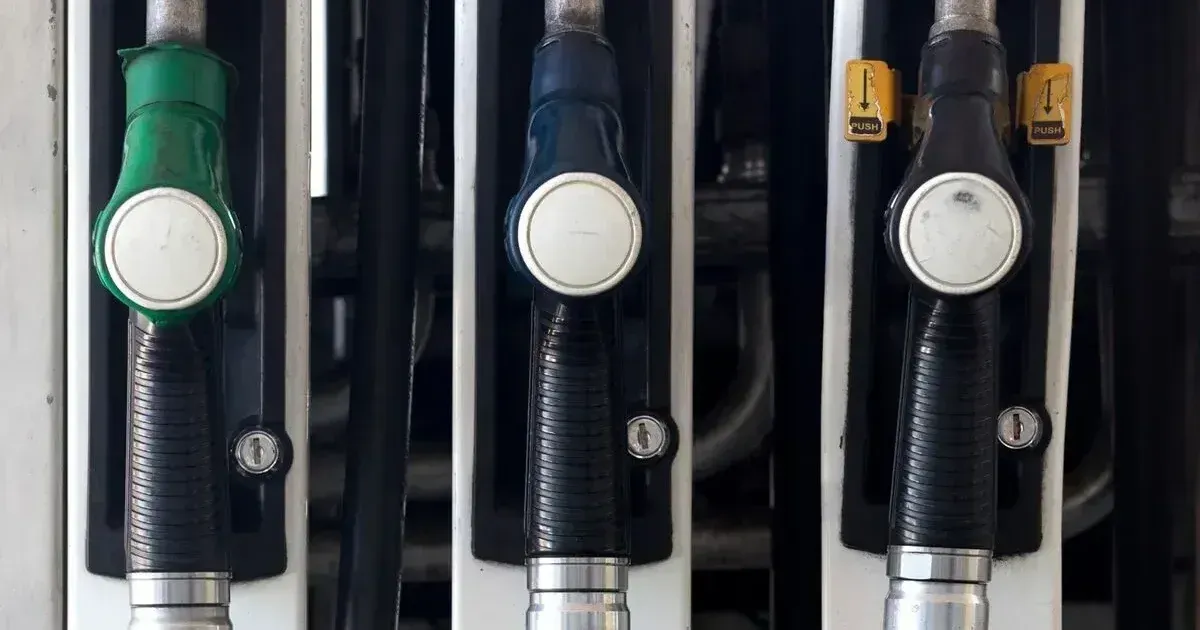
Australia’s fuel-security debate sharpened after the Geelong refinery disruption turned a local fire into a national supply concern. Anthony Albanese will return to Australia on April 16, 2026, to manage a fuel security crisis triggered by a major fire at the Viva Energy refinery in Geelong. Emergency crews worked throughout the night to contain a blaze that sparked following a gas leak at the facility. Reports from the site indicate the fire damaged critical processing units responsible for producing approximately 10% of the nation's liquid fuel requirements. Government officials moved quickly to assess the domestic impact while global oil markets remained volatile because of ongoing hostilities in the Middle East.
Prime Minister Albanese was scheduled to conclude a high-level fuel diplomacy mission in Malaysia before the industrial accident forced an abrupt change in plans. He is expected to land in Victoria on Friday morning to receive a technical briefing on the structural integrity of the plant. Energy Minister Chris Bowen described the event as a meaningful complication for the national energy grid. Local authorities have cordoned off the area around the Corio site as engineers begin the process of cooling the affected infrastructure.
Geelong Plant Shutdown Impacts Domestic Production
Viva Energy maintains one of only two remaining oil refineries in Australia, making the Geelong facility a lynchpin of the Victorian economy. The plant provides the majority of the jet fuel for Melbourne Airport and a meaningful portion of the gasoline used across the southeastern seaboard. Technicians have isolated the gas leak, yet the full extent of the thermal damage to the surrounding distillation columns remains unknown. Initial assessments suggest the repair timeline could span several weeks.
Outages at service stations appear likely in the short term if secondary supply chains cannot compensate for the production loss. Historical data from previous refinery interruptions in Australia indicates that regional supply logistics often struggle with sudden shifts in volume. Victorian motorists have been advised to monitor local availability through digital tracking tools. Stockpiles held in commercial storage facilities offer a temporary buffer against the immediate cessation of refining activities.
Wholesale fuel distributors are currently rerouting shipments originally destined for other ports to shore up the Victorian market. Shipping manifests show three tankers currently idling in Port Phillip Bay awaiting instruction. Local logistics firms have increased driver shifts to ensure existing terminal stocks reach retail points before the weekend.
Albanese Abandons Diplomatic Mission to Manage Fuel Risks
Canberra shifted its focus to domestic resilience as the Prime Minister canceled his final meetings in Kuala Lumpur. His early departure highlights the fragility of the Australian energy sector, which has seen a steady decline in domestic refining capacity over the last decade. Anthony Albanese had been attempting to secure long-term supply agreements with Southeast Asian partners to insulate the country from global shocks. The fire at Viva Energy creates a domestic political challenge that requires his immediate presence.
According to Energy Minister Chris Bowen, the fire at the Geelong oil refinery constitutes a setback for the national fuel security strategy.
Opposition leaders have already begun questioning the adequacy of the national fuel reserve. Recent policy shifts required refineries to maintain minimum stock levels, but those reserves are intended for global supply disruptions rather than localized industrial failures. Federal officials are now considering whether to release a portion of the government-controlled stocks to stabilize local markets. Chris Bowen indicated that such a move would depend on the duration of the Geelong shutdown.
Political analysts suggest the timing of the accident complicates the government's narrative on energy transition. While the administration pushes for electric vehicle adoption, the economy remains tethered to internal combustion logistics. A prolonged fuel shortage would expose the narrow margins within which the Australian transport sector operates.
Global Energy Markets Tighten During Middle East Conflict
Supply concerns in Australia coincide with severe disruptions in the Persian Gulf as the war involving Iran persists. International crude prices have climbed steadily, creating a high-cost environment for any emergency fuel imports Australia must obtain. Singapore, the primary trading hub for Australian refined products, has reported record-low inventories because of the regional conflict. This convergence of local and global pressures leaves the Labor government with few low-cost options for intervention.
Market analysts in London noted that the Geelong incident removes a reliable source of finished product from the Pacific basin. Traders are already pricing in a premium for deliveries to the southern hemisphere. Australian fuel prices often lag behind global trends by two weeks, but the local production loss could accelerate that timeline.
Rising shipping costs further aggravate the situation for domestic retailers. Many tankers are avoiding the Red Sea, leading to longer transit times and higher insurance premiums for all maritime trade. Australia sits at the end of these long, expensive supply lines.
Energy Minister Forecasts Price Spikes for Australian Motorists
Motorists in Victoria face potential price increases of up to 20 cents per liter if the Viva Energy outage lasts beyond the current week. Experts warn that the psychological impact of the fire could lead to panic buying, which would drain retail tanks faster than trucks can refill them. Chris Bowen urged the public to maintain normal refueling habits to prevent artificial shortages. The government is monitoring retail pricing to identify any instances of opportunistic price gouging.
Regional transport costs for essential goods could also rise if diesel supplies become constrained. Primary producers in the Victorian agricultural belt rely heavily on consistent fuel deliveries for autumn harvesting activities. Logistics companies have expressed concern that a prolonged spike in fuel overheads will be passed on to consumers at grocery stores.
Refinery workers are currently undergoing safety evaluations before they can return to the non-damaged sections of the plant. Union representatives stated that safety protocols functioned as intended during the initial leak, preventing a larger catastrophe. The facility will remain under the control of fire investigators until a formal cause for the gas leak is determined.
Fuel Security Becomes the Australian Test
The Geelong fire demonstrates how the loss of one of Australia’s two remaining refineries can quickly become a national supply problem. Commercial stocks and redirected tankers may provide a temporary buffer, but repairs, import lead times and global prices will determine how long that protection lasts.
The government now has to decide whether minimum reserves and emergency imports are sufficient for a localized industrial outage during a wider Middle East disruption. Any release of controlled stocks would also require a clear assessment of the refinery’s repair schedule and the needs of transport, aviation and agriculture.
Albanese’s return puts the immediate response under federal scrutiny. Longer-term policy will have to address whether domestic refining, larger product reserves or more diversified import routes offer the most practical protection against another shutdown.