Voters in Georgia pushed the Republican primaries for governor and U.S. Senate into a runoff phase because no candidate secured a majority of the vote. Official records from the May 19, 2026, primary show the top contests will advance to a secondary round scheduled for next month. These results set the stage for an intense internal party struggle throughout the summer.
Lieutenant Governor Burt Jones emerged from the gubernatorial primary as the frontrunner but failed to clear the 50% threshold required to avoid a runoff. He will face healthcare billionaire Rick Jackson on June 16, 2026. Jackson managed to secure enough support to challenge Jones, effectively ending the campaign of Secretary of State Brad Raffensperger. Raffensperger, who had been a frequent target of criticism within the party, finished a distant third in the preliminary tally.
Competitive dynamics in the race to challenge incumbent U.S. Senator Jon Ossoff followed a similar trajectory. U.S. Representative Mike Collins and Derek Dooley are now locked in a runoff for the Republican Senate nomination. Election data indicates that neither candidate mobilized a broad enough coalition to end the contest in a single round. Both campaigns must now refocus resources for a four-week sprint.
"The Republican primary campaign for Georgia governor will go to a June runoff, with the lieutenant governor Burt Jones facing off against healthcare billionaire Rick Jackson," according to reporting from The Guardian.
Georgia law mandates a runoff if no candidate achieves a majority plus one vote. This specific procedural requirement has historically shifted the momentum of high-profile southern elections. Candidates Jones and Jackson will spend the coming weeks addressing specific regional concerns across the state. Jackson, leveraging his background in the healthcare sector, is expected to focus on private-market solutions to rural medical access. The rule ensures that the eventual nominee carries the support of at least half the participating electorate.
Administrative preparations for the runoff include updating voter rolls and securing early voting locations. Turnout in such secondary elections typically drops sharply compared to the initial primary. Both Republican camps in the governor and Senate races must now motivate their core supporters to return to the polls. Local election boards have confirmed that the June 16 date remains firm across all 159 counties. Local officials expect a surge in mail-in ballot requests over the next two weeks.
Incumbent Justices Secure Georgia Supreme Court Seats
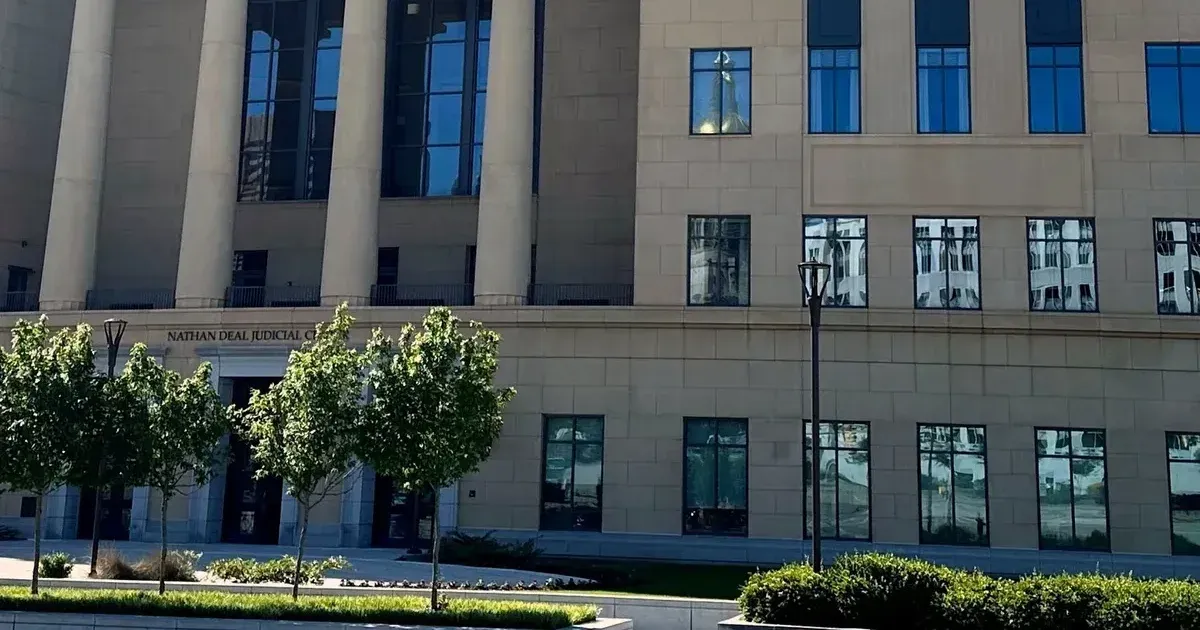
While the executive and legislative primaries remain unsettled, the judicial branch saw more definitive outcomes. Republican-appointed incumbents on the Georgia Supreme Court successfully defended their seats against a slate of left-leaning challengers. Judicial elections in the state are nonpartisan, but these contests became proxy battles for national social issues. Opponents of the sitting justices heavily funded their campaigns with a focus on reproductive healthcare rights.
Incumbents maintained their positions despite the infusion of outside capital into the challengers' coffers. Voters appeared to favor judicial continuity over the ideological shift proposed by the well-financed opposition. Results suggest that the attempt to nationalize these court races failed to gain the necessary traction among the broader electorate. The sitting justices will serve full terms under the existing state statutes.
Efforts to unseat the judges were largely driven by organized advocacy groups targeting the court's previous rulings. Legal analysts noted that the scale of spending in these judicial races reached levels rarely seen in non-presidential years. Despite the high-visibility advertisements, the incumbents held their leads in both urban and rural precincts. The final certification of these results is expected by the end of the week.
Democratic Path Clears for Keisha Lance Bottoms
Former Atlanta mayor Keisha Lance Bottoms secured the Democratic nomination for governor without needing a second round. Her decisive victory contrasts with the fractured Republican field, allowing her to preserve campaign funds for the general election. Bottoms will wait for the outcome of the Jones-Jackson runoff to identify her final opponent. This early win provides a strategic advantage in a state often decided by narrow margins.
Ossoff, the Democratic incumbent, also avoids a primary challenge as he prepares to defend his seat. His campaign now monitors the Collins-Dooley contest to tailor its messaging for the fall. Republican candidates, meanwhile, face the prospect of a costly intra-party battle that could deplete their war chests before the general election begins. Ossoff has already begun placing advertising buys in the Atlanta and Savannah media markets.
Financial records indicate that the Republican candidates have already spent $14 million on television and digital advertising during the primary. A runoff requires further expenditure, potentially creating a funding gap as the general election approaches. Bottoms and Ossoff can focus on undecided voters while their Republican counterparts remain focused on the party base. The June 16 result will finally determine the full general election ticket.
Political analysts expect the runoff period to be marked by aggressive negative campaigning. Historically, the candidate who finished first in the primary often retains the advantage in the runoff, but notable exceptions exist. The next four weeks will test the endurance of the Republican organization in Georgia.
Runoff Stakes
Georgia remains the central battlefield for control of the U.S. Senate and the future of executive power in the South. The inability of a single Republican to consolidate the base for governor or Senate suggests a deep internal rift between the party establishment and its billionaire-funded insurgent wing. While Democrats have secured a unified front with Keisha Lance Bottoms and Jon Ossoff, the GOP must now navigate a month of potential exhaustion.
Will the June runoff force the eventual Republican nominees into ideological corners that are difficult to defend in a general election? The survival of the state's conservative judicial bloc provides some comfort to party leadership, but the executive branch remains in play. The outcome of the Jones-Jackson fight will dictate whether the GOP leans into traditional legislative experience or the outsider appeal of private-sector wealth. Georgia's specific runoff rules, intended to produce consensus, may instead produce a weakened survivor for the November contest.