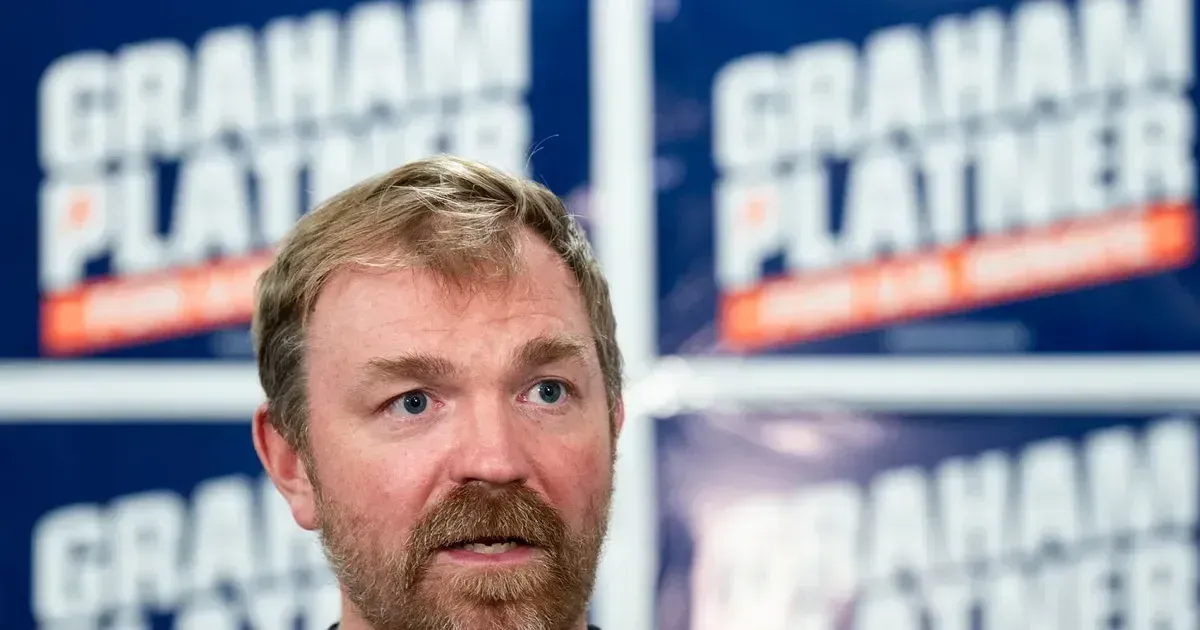
Graham Platner denied a former girlfriend's account that he behaved in a physically threatening way during their relationship more than a decade ago. The denial came on June 5, 2026, as Maine Democrats weighed whether the allegation would damage a Senate campaign already facing national scrutiny. The Maine Senate candidate addressed the allegations after the report surfaced. Platner said the most serious claims were false while acknowledging that his conduct after military service was not always appropriate.
Reports published by The New York Times described incidents involving women who had been in relationships with the candidate. These accounts were described by critics as part of a pattern of behavior they considered threatening or inappropriate. While the report provided specific testimonies from former partners, Platner characterized the descriptions as inaccurate portrayals of his character and past actions.
Newsweek reported that these findings are the latest in a sequence of disclosures regarding the candidate's history. These articles have scrutinized his personal life more intensely as the primary date approaches. Platner, however, maintains that the reports do not warrant a withdrawal from the closely watched political contest.
Democratic Party leaders expressed anxiety regarding the stability of the race in Maine. National strategists view the seat as an essential component of their effort to maintain or expand their presence in the Senate. Internal party discussions have focused on whether the controversy will damage the candidate's viability in a general election environment against a Republican challenger.
Maine's status as a battleground state amplifies the impact of any scandal affecting a front-runner. Primary voters now have to weigh the reported allegations against the candidate's policy positions and military background. Some local organizers have suggested that the distraction could alienate independent voters who are often decisive in statewide Maine elections.
Platner Defends Military Record and Personal Conduct
Platner acknowledged during an interview that his behavior post-military service was not beyond reproach. He used the phrase "not exactly acting with the best behavior" to describe his conduct during that specific transitional period. He denied threatening former partners or causing them physical harm.
Platner has said he intends to continue campaigning and argues that the reports do not reflect the candidate he is presenting to Maine voters.
Military service often functions as a foundation of Platner's political identity and campaign messaging. The current scrutiny forces him to address how his service impacted his interpersonal dynamics and mental health in the years following his discharge. He has not provided a detailed timeline for the specific behaviors he admitted were suboptimal.
Primary opponents have remained largely silent on the specific details of the reports, though some have emphasized the need for a candidate who can withstand rigorous vetting. The lack of unified demands for his resignation from within the party suggests a split in how to handle the developing situation. Party officials are currently monitoring polling data to assess the immediate shift in voter sentiment.
National Democratic Party Confronts Primary Turmoil
Democratic strategists in Washington have described the current situation as a source of dread. Maine represents one of the few realistic opportunities to flip a seat or defend a vulnerable position depending on the final candidate's strength. A weakened nominee could jeopardize millions of dollars in planned campaign expenditures and strategic resource allocation.
Internal memos suggest that the party is preparing for several possible outcomes, including a late-stage surge for an alternative candidate. Platner's refusal to step aside complicates these contingency plans. If he remains in the race and wins the primary, the party will be forced to defend his personal history throughout the fall campaign.
Supporters of the candidate argue that the timing of these reports is politically motivated. They point to his consistent lead in early primary polling as the reason for the sudden increase in investigative scrutiny. These allies have called for the focus to return to economic issues and healthcare policy rather than decade-old relationship dynamics.
Platner intends to continue his scheduled campaign events across the state to meet with constituents directly. His team has increased its focus on direct voter contact to bypass the traditional media narrative. The campaign has not announced any changes to its fundraising goals or public appearance schedule for the coming weeks.
Platner's Refusal to Withdraw Traps Democratic Strategy
The decision by Graham Platner to remain in the Maine Senate race creates a strategic bottleneck for the Democratic Senatorial Campaign Committee. Maine is a state where candidate character often outweighs partisan alignment in the eyes of the electorate. By refusing to withdraw, Platner is betting that his military service and admission of past flaws will neutralize the more severe allegations of physical threats.
This calculation carries risk. If more damaging evidence emerges, the party risks spending the general election defending a nominee's personal history instead of prosecuting its case against Republicans. National donors may hesitate to fund a campaign that requires a constant defensive posture regarding the nominee's personal life.
Voters in Maine have a history of rewarding perceived authenticity and resilience, but personal-conduct questions can still shape statewide races. The primary outcome will serve as a test case for whether a military-focused biography can still provide a shield against personal misconduct claims in the current political climate. Control of the Senate could hinge on how Maine primary voters interpret the gap between Platner's admission of poor behavior and the specific allegations he denies.