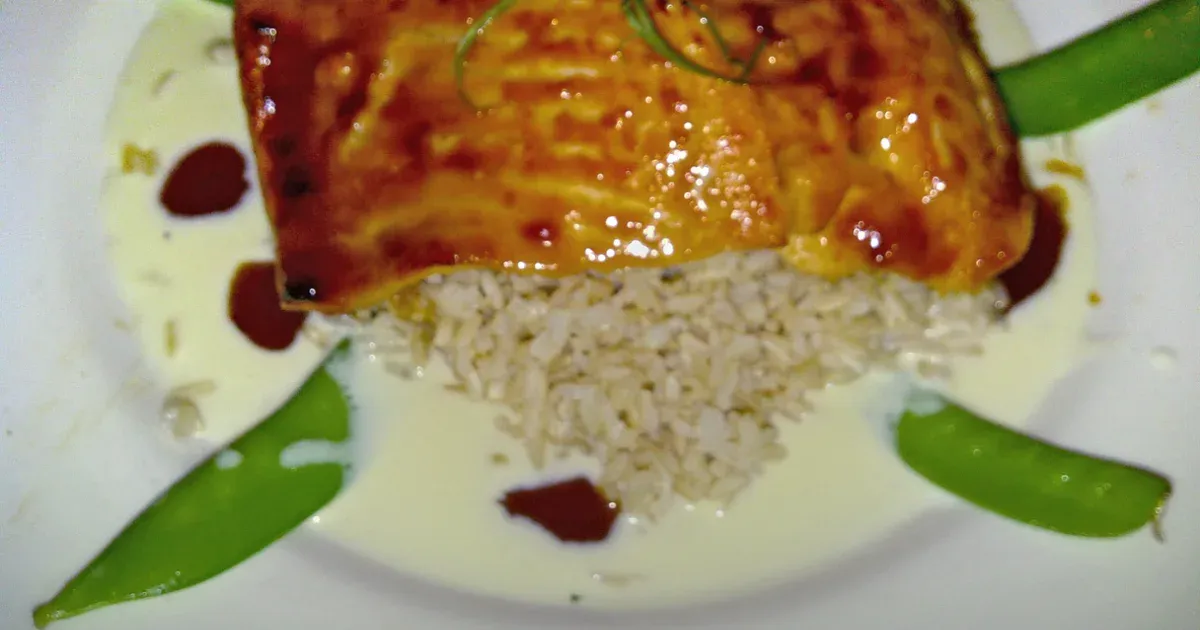
Georgina Hayden's salmon recipe turns gochujang butter into a practical weeknight technique. The dish works because the fat carries the chile heat while the fermented paste adds depth beyond a simple glaze. The technique is simple, but the flavor logic is layered.
Georgina Hayden released a culinary profile on April 6, 2026, detailing a transformative approach to preparing salmon using Korean gochujang and butter. Traditional preparations of Atlantic salmon often rely on the predictable duo of honey and soy sauce. Hayden identifies a specific desire to elevate these routines by introducing gochujang, a thick, pungent paste made from red chili, glutinous rice, fermented soybeans, and salt. Quality seafood requires more than simple seasoning to cut through the fatty profile of the fish. Instead of relying on standard oils, this method utilizes dairy fat to carry the heat. Richness becomes the primary vehicle for the spice.
Evolution of Korean Heat in Western Kitchens
Gochujang provides a depth of flavor that simple chili flakes cannot replicate due to its extensive fermentation process. Origins of this condiment trace back to the 16th century when red peppers were first introduced to South Korea. Beyond the immediate heat, the paste offers a complex umami profile that interacts uniquely with seafood proteins. Using butter alongside this fermented paste creates a specific chemical cooperation. Casein proteins in the butter help to mellow the sharpest edges of the capsaicin, making the spice accessible to a wider variety of palates. Records indicate a sharp surge in the global export of Korean condiments over the last decade.
Critics often point to the heavy reliance on sugar in modern fusion recipes, yet gochujang offers a fermented sweetness that balances the salinity of soy sauce. Hayden advocates for a dressing that prioritizes heat and depth rather than a pure sugary glaze. Producers on the Korean Peninsula have scaled operations to meet international demand, as the global market for these flavors exceeded $15 billion recently. Culturally, the shift suggests a move away from the mild flavor profiles that dominated mid-century Western cooking. Every ingredient in the recipe contributes to a layered sensory experience.
Georgina Hayden and the Rise of Fusion Salmon
“The classic combination of soy sauce and honey salmon is a staple in our house and works for kids and adults alike,” Hayden said.
Hayden acknowledges the utility of traditional family staples while pushing for domestic culinary evolution. Domestic kitchens frequently suffer from a repetitive cycle of predictable meals. Simultaneously, the introduction of shoyu butter techniques reflects a broader appreciation for Japanese professional standards in home environments. While butter might seem counterintuitive in East Asian contexts, its pairing with soy sauce is an established technique in northern Japanese cuisine. Indulgence remains a factor in the success of this specific dish. This substitution of standard cooking fats for high-quality butter allows the fish to poach gently in a savory emulsion.
Salmon consumption continues to grow across the United Kingdom and the United States, driven by health narratives and ease of preparation. In practice, the fish acts as a blank canvas for aggressive seasoning profiles. High oil content in the flesh prevents the gochujang from becoming overwhelming. Instead of overpowering the natural flavor of the salmon, the butter acts as a bridge between the sea and the spice. Structurally, the sauce must be thick enough to cling to the fillets during the final stages of cooking. Proponents of this method argue that it reduces the likelihood of the fish drying out under high heat.
Technical Execution of the Heat and Butter Emulsion
Technically, the Maillard reaction occurs on the surface of the salmon while the sugars in the gochujang caramelize. Chefs must monitor temperatures closely to avoid burning the milk solids in the butter. Once the sauce thickens, it forms a glossy lacquer that provides both texture and aesthetic appeal. Serving the fish over sticky rice ensures that no part of the dressing is wasted. Rice grains absorb the spicy juices, creating a secondary component to the meal. Steamed greens provide the necessary bitterness to cut through the intense richness of the protein. Detailed attention to the balance of fats and acids defines the success of the execution.
Fusion Salmon Tradeoff
Labeling a recipe as quick and easy often masks the erosion of traditional culinary complexity in the digital age. The record confirms a commodification of heritage flavors where ingredients like gochujang, which traditionally take months to ferment, are reduced to a convenient squeeze-bottle shortcut for the hurried professional. Home cooks prioritize speed over the multi-day processes that define authentic ingredients. This transition might provide a temporary thrill for the palate, but it risks devaluing the labor-intensive history of Korean gastronomy in favor of aesthetic appeal and efficiency.
The recipe still succeeds on its own technical terms: butter controls the paste’s heat, salmon supplies enough fat to carry the sauce, and rice captures the excess. The tradeoff is cultural rather than culinary. Convenience can introduce more cooks to gochujang, but the presentation should not pretend that a weeknight glaze represents the full tradition behind the ingredient.