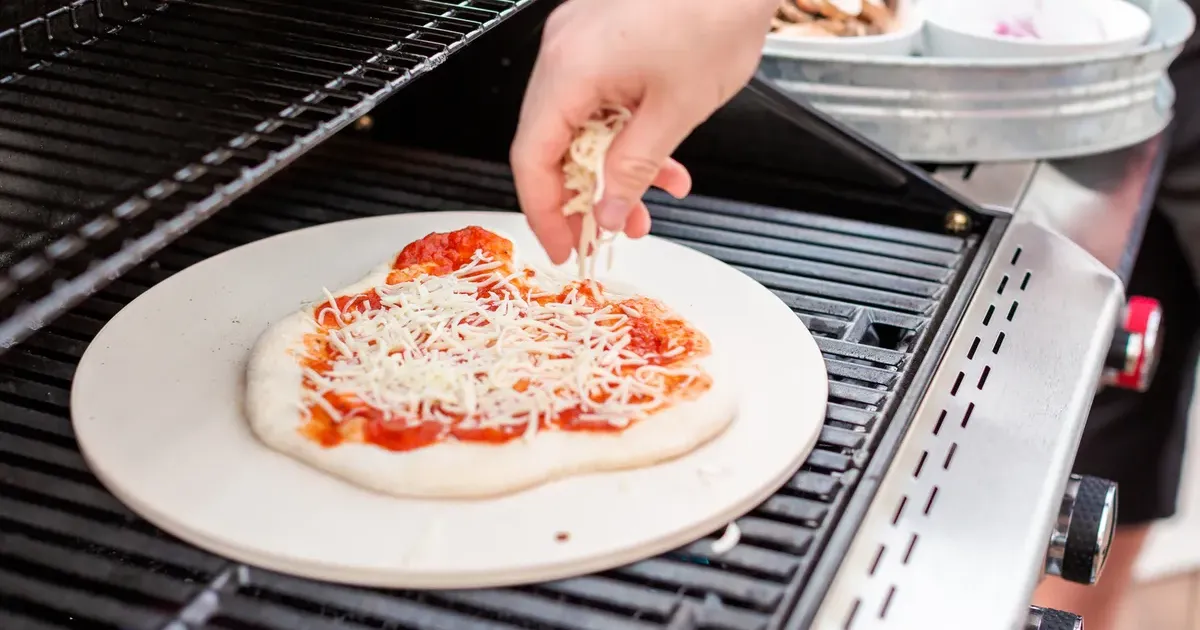
Home cooks across North America evaluated their outdoor cooking arsenals on March 30, 2026, to determine which accessories could survive the transition from the kitchen to the patio. Most culinary enthusiasts assume a pizza stone is a universal tool, but the reality of material science suggests otherwise. Using a standard ceramic baking stone on a gas or charcoal grill often leads to catastrophic failure if the item lacks an outdoor rating. Material composition dictates whether a stone survives the intense, uneven heat of a backyard flame or shatters into dangerous shards during a family dinner.
Indoor ovens provide a controlled, ambient heat environment where temperatures rarely fluctuate wildly once stabilized. Grills operate on an entirely different thermodynamic principle, often using direct flame contact and localized hotspots that can exceed 700 degrees Fahrenheit. Sudden temperature spikes cause uneven expansion within the crystalline structure of low-grade ceramic materials. When one part of the stone expands faster than the surrounding area, internal stress builds until the material reaches its breaking point. Ceramic fragments can ruin expensive cuts of meat or cause physical injury to the cook.
Understanding Thermal Shock in Ceramic Materials
Thermal shock describes the physical phenomenon where a solid material cracks due to rapid changes in temperature. Manufacturers of entry-level kitchenware often use kiln-fired clay or basic ceramic that handles the gradual preheating of a kitchen oven with ease. Outdoor environments introduce variables like cold wind, varying fuel density, and direct radiation from glowing coals. These factors create a high-temperature gradient across the surface of the stone. Cheap ceramics lack the elasticity required to bridge the gap between a 400-degree edge and a 700-degree center.
Moisture trapped within the pores of a stone further complicates the heating process on a grill. If a stone is stored in a humid garage or washed shortly before use, water molecules deep inside the material turn to steam when exposed to high heat. Pressure from this rapidly expanding gas can blow the stone apart from the inside. Professional chefs suggest that any stone used outdoors must be completely dry and brought to temperature slowly. Rapid preheating on a high-output propane burner is the most common cause of structural failure in residential baking equipment.
Cordierite Properties and High Temperature Tolerance
Engineering-grade pizza stones typically consist of cordierite, a magnesium aluminum silicate known for its incredibly low thermal expansion. This mineral occurs naturally but is more commonly synthesized for industrial applications such as catalytic converter supports and kiln shelves. Cordierite stones can withstand temperatures exceeding 1,200 degrees Fahrenheit without losing structural integrity. Their unique molecular arrangement allows them to absorb huge amounts of heat and release it evenly, which is essential for creating a crispy pizza crust. $100 is a common price point for genuine, thick cordierite slabs designed for heavy-duty grill use.
Heavy cast iron is a durable alternative for those worried about the fragility of ceramic materials. While technically not a stone, cast iron baking pans offer similar heat retention properties and are virtually immune to thermal shock. Metal surfaces do not breathe like porous ceramics, however, meaning they may produce a different crust texture than traditional stones. Culinary purists often prefer the moisture-wicking capabilities of cordierite over the slick surface of seasoned iron. Choosing between these materials involves weighing the desire for an authentic brick-oven finish against the need for rugged durability in an outdoor setting.
Grilling Environment Variability Affects Stone Longevity
Charcoal grills present the greatest challenge to pizza stone longevity because of their unpredictable heat distribution. Lumps of coal burning at different intensities create concentrated foundations of heat that can warp or snap a stone if it is placed directly over the fire. Using an indirect heat setup, where the stone sits away from the primary coal bed, reduces some of these risks. Most experts recommend using a heat deflector or a two-zone fire to ensure the stone absorbs heat from the air rather than the flame. Professional-grade charcoal setups can reach 900 degrees in minutes.
Propane grills offer more control but still suffer from the design of their burner tubes. Heat rises in specific lines corresponding to the gas ports, creating a striped heating pattern on the bottom of the stone. Some high-end gas grills include infrared burners that provide more uniform radiation, which is generally safer for ceramic accessories. Regardless of the fuel source, a stone should never cover the entire cooking surface of a grill. Airflow is necessary to prevent the grill from overheating and to allow the stone to vent properly during the baking process.
Manufacturer Warnings for Outdoor Pizza Equipment
Checking the original packaging or the manufacturer website is the only way to verify if a specific stone is grill-safe. Companies like Williams-Sonoma and Pampered Chef provide specific guidelines on whether their products can handle open flames. Many consumer-grade stones specifically exclude grill use from their warranties, citing the risk of thermal shock. Ignoring these warnings voids any chance of a refund and ignores the potential for property damage. Product labels often distinguish between oven-safe and fire-safe materials using specific temperature thresholds.
Grilling with a stone not rated for outdoor use is like driving a sedan off-road; it might work for a few minutes, but eventually, the suspension will snap,
said a product safety engineer for a major cookware brand.
Cleaning methods also play a role in how a stone reacts to the high heat of a grill. Soap and detergents should never touch a porous pizza stone because the chemicals soak into the material and release toxic fumes when heated. Scrapers and hot water are the standard tools for maintenance, provided the stone has cooled completely before washing. Applying cold water to a hot stone is a guaranteed way to induce immediate cracking. Proper care ensures that a high-quality cordierite stone stays functional for decades of outdoor use. Standard stones fail at 600 degrees.
The Elite Tribune Strategic Analysis
Market saturation in the outdoor living sector has led to a dangerous blurring of lines between decorative kitchenware and industrial-strength cooking equipment. Consumers are being sold an aspirational lifestyle where every kitchen gadget can seamlessly move from a marble countertop to a wood-fired hearth. This marketing narrative ignores the harsh realities of thermodynamics and material science to drive sales of mid-tier ceramic goods. The result is a surge in preventable accidents and a mountain of shattered clay in American landfills. Manufacturers must be held to stricter labeling standards that clearly differentiate between thermal-resistant minerals and basic glazed earthenware.
Investment in premium materials like cordierite or 304 stainless steel is the only logical path for the serious home cook. Buying a cheap ceramic stone for a high-output grill is a classic example of false economy. You save twenty dollars upfront only to lose the stone, the pizza, and potentially the use of your grill for an afternoon of cleanup. The industry needs to stop treating outdoor cooking as a casual extension of the kitchen and start treating it as the high-temperature industrial process it truly is. Quality over convenience is the only safe policy. Hard facts beat marketing.