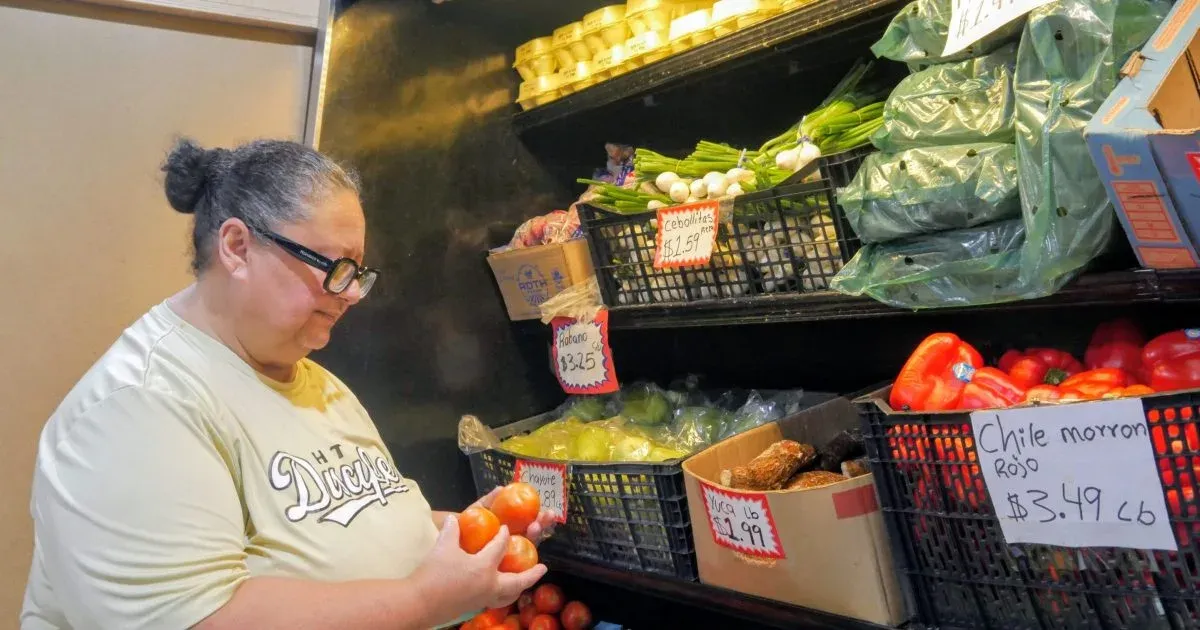
American households are responding to years of grocery inflation by changing the contents of their carts, the stores they visit and the brands they trust. The adjustment is now visible in business data as well as family budgets: shoppers are buying fewer items, discounters are taking share and private-label sales have reached a record.
New reporting from four U.S. metropolitan areas shows families comparing apps, building meals around weekly promotions and dropping foods that no longer fit their budgets. On July 25, 2026, those household accounts arrived alongside industry evidence that the spending shift is altering competition across the grocery sector.
Food purchased for home use costs 33 percent more than it did at the start of 2019. Ground beef reached $6.82 a pound in June, a 79 percent increase over the same starting point. Those cumulative gains matter because a slower monthly inflation rate does not restore the prices households paid before the post-pandemic surge.
The Inflation Rate Slowed, but the Price Level Stayed High
The U.S. Department of Agriculture expects food-at-home prices to increase 2.7 percent this year. The long-run norm is 2.6 percent, while the 2022 surge reached 11.4 percent. Even that near-normal pace compounds the increases already embedded in shelf prices, so a family can hear that inflation has cooled while paying more at checkout.
The trade-offs are concrete. Massachusetts shopper Apral Jack now checks a supermarket app, searches circulars and chooses meals around temporary discounts. In Texas, Ada Torres has replaced fresh beef with chicken and cold cuts for a household that includes three grandchildren. Her family sometimes manages only one full meal in a day when work for its main earner slows.
In San Francisco, one household combines federal food assistance with groceries shared by a relative who visits two food banks each week. Hawaii faces an extra transport cost because most food arrives by cargo ship and inter-island freight responds to fuel prices. A pastry chef on Oahu now buys imported berries for about $5 rather than local fruit that has climbed to $11 a pound.
The change in item volume is the clearest business signal. Bain and NielsenIQ found cart unit counts contracting after mid-2025, followed by a steeper fall from February onward. The researchers pointed to high fuel costs, wider use of GLP-1 drugs and reductions in food-aid participation as forces affecting how much consumers buy.
Discounters and Store Brands Capture the Switch
Costco, Walmart and Aldi gained market share from traditional supermarket groups including Kroger and Albertsons during the second quarter, according to Numerator. The shift reflects more than store traffic. Households are comparing the final cost of a basket across formats, making scale, membership pricing and promotion budgets more important competitive tools.
Retailers sold $282.8 billion of private-label goods last year, the category's highest annual total. The figure covers supermarkets, pharmacies and other retail channels. A lower-priced private label can keep a category in the cart when the national brand is dropped. Once a household decides the substitute is good enough, that trial can become a durable loss of share for the branded supplier even if inflation later slows.
Several forces keep the descent in prices slow. Earlier increases came from distinct shocks, including pandemic supply disruptions, Russia's war in Ukraine and avian influenza that pushed egg prices to records. A freight shock, an animal disease and a tariff can each unwind on a different schedule, so no single wholesale decline resets every grocery aisle at once. Retailers resist marking down inventory bought at higher wholesale costs, while manufacturers try to preserve revenue gained during the post-pandemic increase. Consumers also reduce comparison shopping after they notice prices easing, which weakens the competitive pressure for another cut. PepsiCo raised prices by double digits for eight consecutive quarters in 2022 and 2023, then reduced some snack prices after demand softened.
Pressure differs by category. Average coffee prices in U.S. cities are 54 percent above 2019 levels after poor growing conditions in major producing countries. Fresh tomatoes cost 19.5 percent more in June than a year earlier after a 17 percent U.S. import tax on Mexican tomatoes. Retailers have begun selective relief: Walmart announced reductions on foods including ground beef, corn and cherries, while Target cut some grocery prices in March.
Unit Sales Will Show Whether Relief Reaches the Cart
The grocery figures add a household-level measure to the broader affordability debate. Headline inflation describes the speed of change, but unit sales show whether people can still purchase the same quantity and mix of food. That measure also reveals substitution between categories instead of only a change in total spending. A smaller basket, less protein or heavier reliance on food assistance can coexist with an inflation rate that looks ordinary.
The next useful evidence will come from volume, not promotional promises. If item counts stabilize while private-label and discount growth cools, lower inflation may finally be easing the constraint on households. If shoppers continue cutting products while sales dollars rise, the apparent resilience of grocery revenue will be carrying a harder fact underneath it: families are paying more to take less food home.