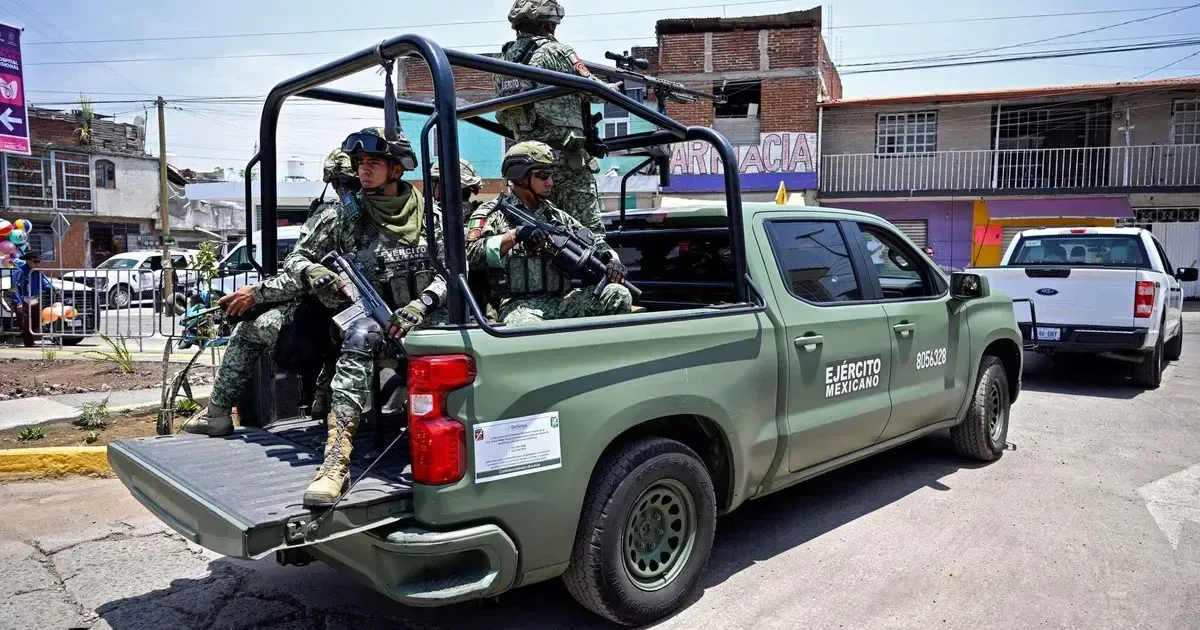
Prosecutors confirmed a targeted Oaxaca mayor killing after gunmen opened fire on a municipal leader in southern Mexico. Witnesses reported that armed individuals opened fire on the official in a public area before fleeing the scene in a vehicle. Medical personnel arrived to find the victim had already succumbed to multiple gunshot wounds. Local authorities have cordoned off the area to collect ballistic evidence and interview witnesses. The killing occurred on June 13, 2026.
State investigators identified the deceased as the head of a town government, though the specific municipality remains under tight security protocols. This assault creates a visible vacuum in local administration for a community already struggling with resource allocation. Crime scene technicians spent hours documenting the perimeter where the gunmen engaged the official. Police units from neighboring districts moved in to support the local force, which lacks the heavy weaponry often used by organized criminal factions in the region. Oaxaca prosecutors have opened a formal homicide investigation.
This murder occurred just weeks after the assassination of another mayor in a nearby Oaxaca town. Criminal experts observe that these synchronized attacks often aim to destabilize local councils to enable illicit transit routes. Small municipalities provide the first line of defense against organized crime, yet their leaders frequently lack basic protective details. Federal security forces rarely maintain a permanent presence in these remote mountainous areas, leaving mayors to rely on poorly funded municipal police forces. The pattern of violence suggests a deliberate attempt to influence local policy through fear.
Municipal leaders in Mexico occupy the most dangerous tier of public service. They manage land rights, local permits, and police hiring, making them primary targets for groups seeking to co-opt local government. Organizations often issue threats to ensure that municipal budgets or law enforcement decisions favor their operations. When officials refuse to cooperate, the consequences frequently result in lethal violence. Public records indicate that dozens of local candidates and officeholders have been targeted across the country over the past two years.
Institutional Fragility in Oaxaca
Oaxaca prosecutors noted that the investigation into the previous killing of a local official remains open. Progress in such cases is often slow due to the intimidation of witnesses and the lack of forensic resources in southern states. Local governance remains extremely fragile. Security analysts believe that the proximity of these two murders indicates a specific regional conflict involving territorial control. Local leaders now face an environment where accepting a public mandate carries a high probability of physical harm.
Violence targeting local officials is a pressing issue in the country, according to statements released by state prosecutors regarding the security climate in Oaxaca.
State authorities have not announced any arrests in connection with the latest shooting. The absence of immediate suspects mirrors the outcomes of several other high-profile attacks against politicians in the region. Prosecutors, however, claim they are following several leads related to regional criminal activity. Community members have expressed reluctance to provide testimony, fearing retaliation from the groups responsible for the violence. Institutional trust has eroded as the frequency of these assassinations increases without corresponding convictions.
Challenges to the Rule of Law
The demands for improved safety measures after the Oaxaca attack have reached the federal level. Lawmakers in Mexico City often discuss the deployment of the National Guard to strengthen local security, but the vast geography of Oaxaca makes consistent patrols difficult. State police forces are currently overextended as they attempt to manage both urban crime and rural insurgencies. Local officials manage critical infrastructure and social programs that become paralyzed when a leadership vacancy occurs. These administrative disruptions prevent the delivery of essential services to the most vulnerable populations in the state.
Investigators currently search for any financial or political links that might have motivated the gunmen. The victim had recently advocated for increased transparency in local spending, a move that can sometimes trigger pushback from entrenched interests. Criminal organizations often view independent-minded mayors as obstacles to their expansion. The environment of impunity allows perpetrators to operate with the expectation that they will not face prosecution. Prosecutors must now determine if the two Oaxaca murders were orchestrated by the same entity or are part of a broader trend of decentralized violence.
Regional stakeholders demand a systemic change to how municipal protection is handled. Without a dedicated security framework for local executives, the recruitment of competent civic leaders will likely diminish. Potential candidates are increasingly unwilling to risk their lives for positions that offer little in the way of physical security or institutional support. The threat persists. Strengthening the rule of law in Oaxaca requires a sustained commitment from both state and federal agencies to dismantle the networks responsible for these targeted killings.
Regional Stakes
The assassination of municipal leaders in Oaxaca marks a deeper crisis in the ability of the state to protect its own democratic infrastructure. When a mayor is killed, the damage extends beyond a single act of violence to the structure of local self-governance. Criminal organizations are effectively vetoing election results through the use of force, creating shadow administrations where the official government is either dead or intimidated into silence. The geographical isolation of many Oaxacan towns worsens this problem, as the delay in federal response allows cartels to consolidate power without meaningful opposition.
Unless the Mexican federal government shifts from a reactive to a proactive security posture, the southern states risk becoming permanent zones of institutional decay. Protecting a mayor requires more than a temporary surge of troops; it requires the professionalization of the municipal police and the protection of the judicial process from local interference. The current trajectory suggests that Mexico is losing its battle to keep local politics free from the influence of armed coercion and criminal money. If the state cannot secure the safety of its lowest-ranking executives, the integrity of the entire national political system remains at risk.