Khiam, a strategic village in southern Lebanon, witnessed fresh smoke on April 24, 2026, when Israeli forces conducted a series of controlled explosions despite a standing ceasefire agreement. Local reports confirmed that Israeli units detonated several structures within the town, a move that suggests ongoing tactical clearing operations near the border. Plumes of grey smoke dominated the horizon over the Litani River basin as the explosions echoed throughout the mountainous terrain. These maneuvers occur at a time when international mediators are struggling to maintain a fragile truce between the two combatants.
Smoke rose above the rubble of Khiam as residents who had returned to assess their property fled once again toward the north. Witnesses described the blasts as systematic, targeting specific buildings that the Israeli military previously identified as militant infrastructure. While earlier diplomatic efforts aimed to provide a cooling-off period, the reality on the ground remains volatile and unpredictable. Small-arms fire was also reported in the outskirts of the village shortly after the heavy detonations concluded. Israel has not officially commented on the specific nature of these morning operations.
Explosions Ravage the Village of Khiam
Military activities in the Khiam sector represent a departure from the verbal commitments made by regional leaders just days ago. Israeli forces continue to maintain a presence in southern Lebanese territory, citing the need to neutralize hidden tunnels and weapon caches. These demolitions occurred in broad daylight, witnessed by UN peacekeepers stationed at nearby observation posts. No casualties were immediately reported from these specific blasts, though the psychological impact on the returning civilian population was serious. Reconnaissance drones hovered over the site for hours following the initial detonations.
Khiam is a high-altitude observation point overlooking several Israeli northern settlements, making it a critical piece of geography for both sides. Control of this ridge allows for direct line-of-sight targeting, which is why the Israeli Defense Forces have prioritized the destruction of any fortified positions there. Analysts note that these explosions often involve the use of heavy mining charges to collapse subterranean networks. Tactical maps indicate that several dozen structures have been leveled since the original ceasefire went into effect.
Hezbollah Legislative Resistance and Rhetoric
Hezbollah lawmakers in Beirut have reacted with open hostility to the latest developments, moving to formally distance the organization from international diplomatic tracks. One leading representative signaled a total breakdown in trust during a heated session at the Lebanese Parliament. Group leaders characterized the current arrangement as a tool for Israeli expansion rather than a genuine peace effort. Tension within the Lebanese government is rising as different factions debate the merits of sticking to the deal while border villages continue to burn.
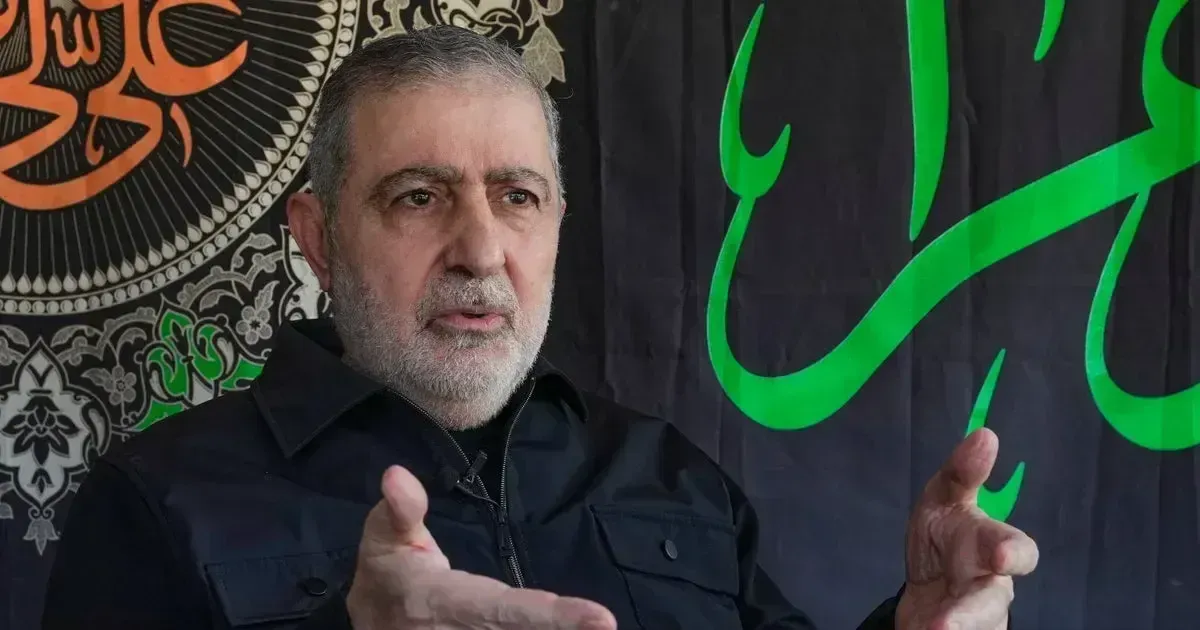
"The group firmly rejects the extended ceasefire and considers the diplomatic effort meaningless," a Hezbollah lawmaker stated during a televised address.
Legislative rejection from the group complicates the efforts of the Lebanese Prime Minister, who has attempted to leverage Western aid to stabilize the economy. If the paramilitary wing of the government refuses to recognize the ceasefire, the central administration has few tools to enforce it. Internal memos from within the party suggest that the military command has authorized field officers to return fire at their own discretion. This policy effectively bypasses the chain of command that international mediators hoped to establish. Protests in the suburbs of Beirut have broken out in support of the defiant stance.
Strategic Tension Mounts in the Strait of Hormuz
Global energy markets are feeling the ripples of the Levant conflict as Iran remains locked in a costly standoff over the Strait of Hormuz. Naval assets from the United States and several European allies have increased their patrols in the narrow waterway through which 20% of the world's oil passes. Intelligence reports indicate that Tehran is closely monitoring the situation in Lebanon to determine its next moves in the Persian Gulf. The interconnectedness of these two theaters means that a spark in south Lebanon can spark a crisis in the global shipping lanes. April 24, 2026, marks a period of extreme naval readiness for all regional actors.
Energy prices climbed 3% in early trading as rumors of a potential blockade began to circulate among commodities traders in London. Insurance premiums for tankers traversing the Middle East have reached their highest levels since the previous decade. Military officials in Washington have warned that any interference with commercial shipping would meet a swift response. Iran's naval branch, the IRGC, has conducted several provocative drills involving fast-attack boats and sea-mines in recent days. These maneuvers serve as a reminder that the Lebanese border is not an isolated conflict zone.
Trump Administration Faces Ceasefire Defiance
President Trump announced a major extension of the ceasefire framework, yet the reality on the ground has failed to reflect the optimism of the White House. Fresh strikes occurred on Friday just hours after the presidential announcement was broadcast to global audiences. Conservative critics in Washington argue that the administration is being ignored by the very groups it seeks to contain. Hezbollah's public dismissal of the plan as meaningless puts the American diplomatic team in a difficult position. Aides to the president have spent the day in emergency meetings with Israeli officials to discuss the next steps.
Negotiations in Cairo and Doha have stalled as the two sides cannot agree on the definition of a defensive strike. Israel maintains that destroying tunnels is a defensive necessity, while Hezbollah views it as an act of war during a truce. The lack of a clear monitoring mechanism has allowed both sides to claim the other is the primary aggressor. Despite the high-level pressure from the United States, the exchange of fire across the Blue Line shows no signs of a permanent halt. Military hardware continues to move toward the border from both directions.
Khiam Explosions Expose a Ceasefire That Exists Only on Paper
Diplomatic efforts frequently shatter against the reality of asymmetric warfare. Western mediators often treat Hezbollah like a conventional state actor, assuming that written extensions and high-level announcements carry weight in the tunnels of southern Lebanon. Any ceasefire that fails to address the underlying command structure of non-state actors is doomed to be a temporary pause for rearmament instead of a path to peace. While the White House projects an image of regional control, the explosions in Khiam prove that tactical operations move independently of verbal agreements.
The refusal to acknowledge Hezbollah's autonomy from the central Lebanese government is a persistent failure of foreign policy. If a lawmaker in Beirut can firmly reject an international accord while his paramilitary wing continues to exchange fire, the accord itself exists only on paper. The broader connection to the Strait of Hormuz suggests that the Levant is merely one theater in a coordinated Iranian pressure campaign. Expecting a local ceasefire to hold while a global energy artery remains under threat is naive. Peace in the Middle East will not come through meaningless extensions, but through the realization that some actors benefit more from friction than from any negotiated settlement. Diplomacy has failed here.