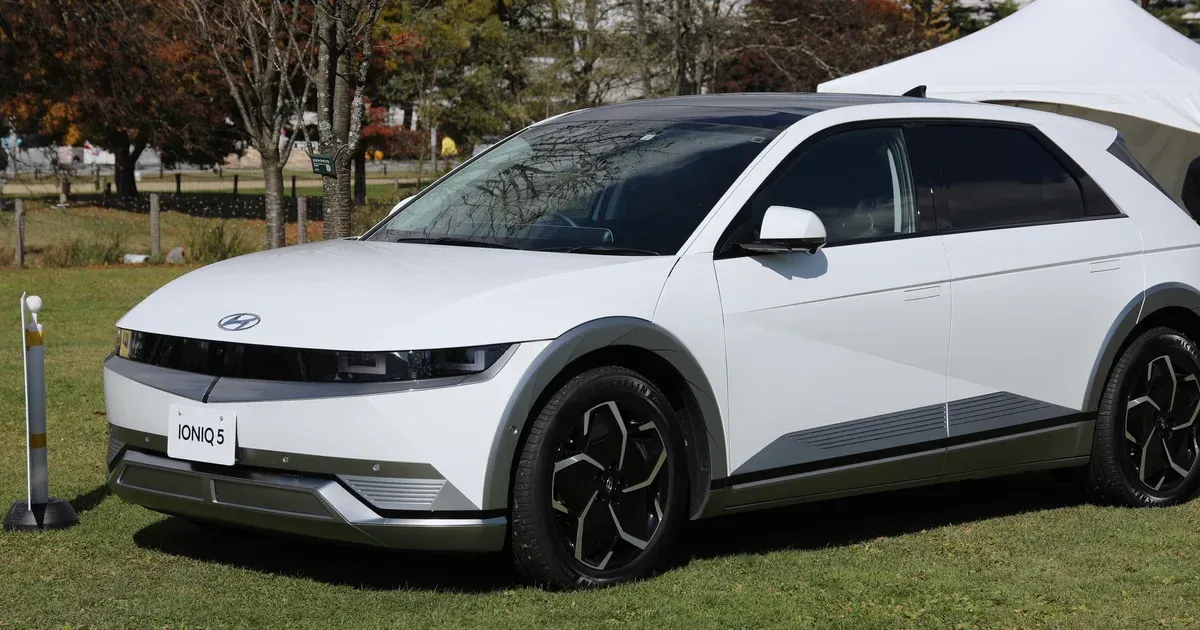
Hyundai is recalling nearly 5,000 electric vehicles in Australia after a battery-management software issue raised concerns about fire risk. The company said affected vehicles need an urgent software update to improve detection of internal electrical faults. The safety notice is part of a broader global recall process. Dealers began preparing capacity. On April 10, 2026, Australian owners were advised to check recall notices and arrange service appointments.
The local action covers 4,982 vehicles and is part of a broader global response involving more than 100,000 units. The defect involves software logic that may fail to detect conditions linked to internal short circuits, allowing heat to build inside high-voltage battery cells.
Software Fix Targets Battery Monitoring
Hyundai says the update is designed to improve how the vehicle monitors voltage irregularities and warns drivers before a dangerous thermal event develops. Battery-management systems are central to electric-vehicle safety because they track individual cell behavior, charging patterns and temperature thresholds.
A Hyundai Motor Company Australia spokesperson said the software update is a precautionary measure intended to protect customer safety.
Australian regulators treated the risk seriously because a fire can occur even when an EV is parked or charging. Owners are being told to follow manufacturer guidance, which may include parking outside or away from structures until the repair is complete.
Recall Tests EV Confidence
The recall arrives as Australia continues to expand electric-vehicle adoption. High-profile battery incidents can influence public confidence even when EV fires remain statistically uncommon. The issue is that battery fires are difficult to extinguish and require special emergency procedures.
Service capacity is another challenge. Some vehicles can receive over-the-air updates, but older models may require a dealership visit. Rural owners may face longer waits if certified technicians are far away or appointments fill quickly.
The broader lesson is that software-defined vehicles need safety validation that matches their complexity. A quick patch may reduce risk, but it also reminds buyers that automotive software now carries consequences far beyond infotainment or convenience. Trust in the EV transition depends on manufacturers finding these faults early and communicating them clearly.
Owners will also want clear information about whether the repair changes performance. Battery updates can sometimes alter charging behavior, warning thresholds or usable capacity to create a wider safety margin. Even small changes matter to drivers who bought an EV for range, fast charging or daily commuting reliability. Hyundai will need to explain the practical effects of the patch in plain language rather than relying only on regulatory recall notices.
For the wider industry, the recall is a reminder that software quality is now a core safety issue. Automakers have gained the ability to improve vehicles after sale, but that flexibility can encourage companies to ship complex systems before every edge case is fully understood. Regulators and consumers will increasingly ask whether a software fix is a responsible improvement or evidence that validation was incomplete before the vehicle reached the road.
Dealers will be judged by execution as much as by the technical fix itself. Long waits, vague explanations or inconsistent instructions would turn a contained recall into a brand-confidence problem. Clear scheduling, loaner support where needed and direct answers about charging safety can limit frustration. EV buyers understand that software updates are part of ownership, but they expect safety-related updates to be handled with the seriousness of an automotive defect, not the casual tone of an app patch. The company also needs to keep regulators updated if field data changes after the update is installed. A recall should not end when the software is flashed. It ends when the manufacturer can show that the fix reduced risk across real vehicles, climates and charging behaviors. That proof will matter for Hyundai and for the broader credibility of electric mobility. Competitors will be watching as closely as regulators. Every recall in the EV market becomes a comparison point for buyers deciding between brands. If Hyundai handles the update transparently, the damage can be contained. If communication fails, the story becomes less about one software fault and more about trust in the brand. That brand question will matter as EV adoption moves from early enthusiasts to mainstream households that demand reliability before experimentation. Safety will decide adoption.