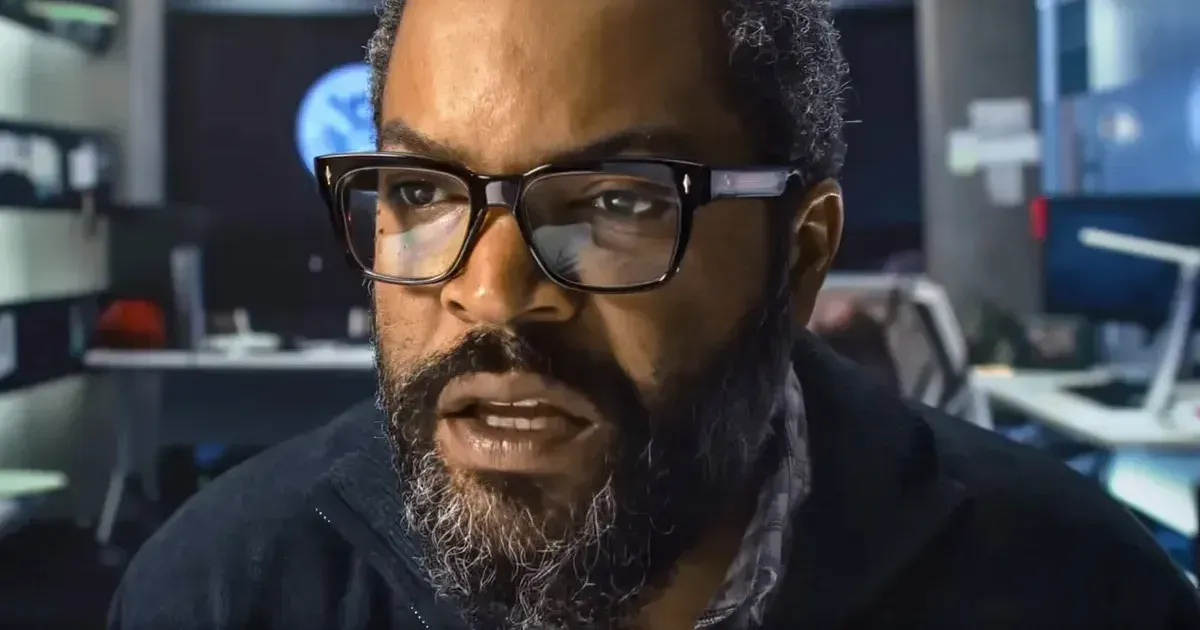
Hollywood insiders gathered on the eve of the Academy Awards to celebrate the cinematic failures of the past calendar year. Ice Cube emerged as the primary focal point of the evening as his alien invasion adaptation, War of the Worlds, dominated the tally. On March 12, 2026, Ice Cube's Razzie result added a sharper note to awards week. Critics had panned the film since its mid-summer debut, noting a significant disconnect between the source material and the modern urban setting. But the sheer volume of awards handed to the production caught many industry analysts by surprise. Ice Cube claimed the Worst Actor title after a year characterized by several high-profile acting failures. He beat out a crowded field of contenders including Abel Tesfaye, better known as The Weeknd, for his role in Hurry Up Tomorrow. Production of the latest H.G. Wells adaptation was troubled from the beginning, according to various trade publications. Script changes occurred weekly during the primary filming phase in Atlanta. Lead actor Ice Cube reportedly clashed with the directorial vision regarding the tone of the survivalist drama. Sources close to the set claimed the final cut removed nearly 40 minutes of character development to focus on visual effects. But those effects were later criticized for looking unfinished or dated upon the film's theatrical release.
Wait times for the CGI work delayed the premiere by six months, pushing it into a competitive summer window. In fact, the movie opened against three separate superhero sequels, which effectively buried its box office potential. Audiences gave the film a D-plus CinemaScore, one of the lowest ratings for a major studio release in 2025. The Razzie win for Worst Picture follows a pattern of the organization targeting expensive projects that fail to find a coherent voice. By contrast, smaller independent flops rarely receive the same level of scrutiny from the voting body.
Ice Cube's War of the Worlds dominated at the 46th Razzie Awards, (reluctantly) taking home the dishonors for worst picture, worst actor and more.
Screenwriting duties were shared by a committee of four writers, a factor many believe contributed to the disjointed narrative. The dialogue was frequently cited in reviews as wooden or overly expository. One specific scene involving a monologue about alien biology became a viral meme shortly after the trailer dropped. Still, the film maintained a consistent presence on social media platforms as viewers shared clips of the most egregious acting choices. This online engagement did not translate into ticket sales, leaving the studio with a massive financial deficit.
Competition for the Worst Actor Title
Abel Tesfaye entered the awards cycle as a strong contender for his work in Hurry Up Tomorrow. His transition from global pop star to leading man has faced significant hurdles since his previous television projects. Critics noted that his performance lacked the emotional range required for the psychological thriller. Yet, Razzie voters ultimately decided that Ice Cube's performance was more deserving of the 46th Razzie Awards' top prize. Tesfaye remains a polarizing figure in the acting world, with some fans defending his experimental approach to character work.
Dave Bautista also faced criticism for his role in In the Lost Lands, an adaptation of a George R.R. Martin story. While Bautista has earned praise for his comedic timing in previous franchises, this dramatic turn failed to connect with the Golden Raspberry electorate. Separately, Scott Eastwood found himself on the ballot for Alarum, a military thriller that went mostly unnoticed by the general public. The inclusion of Eastwood suggests the Razzies are expanding their focus beyond just the biggest blockbusters of the year. Jared Leto rounded out the group, continuing his streak of being recognized for sweeping, if unsuccessful, roles.
Voters often select nominees based on the delta between their previous acclaim and their current performance. For instance, Ice Cube has several decades of successful films in the comedy and action genres. Seeing a veteran performer struggle with a massive property like War of the Worlds makes for a compelling narrative for the awards body. The organization thrives on the irony of established stars participating in projects that are beneath their perceived talent level. The year's ballot reflected a deep cynicism toward the current state of big-budget genre filmmaking.
Kate Hudson Earns the Razzie Redeemer Award
Kate Hudson provided the evening's only positive highlight by receiving the Razzie Redeemer Award. The specific honor is given to a past Razzie nominee or winner who has successfully pivoted back to high-quality work. Hudson earned the award for her performance in Song Sung Blue, which has received universal acclaim from critics. Her career path had been marred by a series of poorly received romantic comedies in the previous decade. But her recent shift toward character-driven dramas has restored her standing in the industry.
Previous recipients of the Redeemer Award include Ben Affleck and Melissa McCarthy, both of whom used the platform to acknowledge their past failures. Hudson did not attend the ceremony, though her representatives acknowledged the shift in her career fortunes during recent press junkets. Analysts suggest that winning a Redeemer Award can actually help a performer's image by showing they can handle criticism with grace. The award is a bridge between the mockery of the Razzies and the prestige of the more traditional awards circuit. Hudson is considered a dark horse candidate for a supporting actress nomination at the Oscars.
Redeemer winners are selected through a separate voting process that prioritizes artistic growth over commercial success. In particular, the committee looked at how Hudson handled the complex emotional beats of her latest role. Her performance in Song Sung Blue stands in sharp contrast to the projects that previously landed her on the Razzie shortlist. The recognition highlights the fluid nature of Hollywood careers, where a single role can change a performer's entire public narrative. The Razzie committee noted that Hudson's work this year was impossible to ignore even for a group dedicated to finding the worst in cinema.
Evolution of the Golden Raspberry Foundation
The Golden Raspberry Awards have undergone significant internal changes over the last several years to remain relevant in a digital-first media environment. Founded in 1980, the organization has moved from a small gathering in a living room to a global media event. Social media has amplified the reach of the awards, allowing the foundation to engage with a younger demographic that enjoys roasting celebrity culture. Meanwhile, the voting membership has grown to include over 1,100 film professionals and enthusiasts from around the world. The larger pool of voters aims to provide a more representative look at what audiences truly dislike.
Critics of the Razzies often argue that the organization targets easy marks rather than genuinely bad films. They point to the frequent nominations of stars like Adam Sandler or Bruce Willis as evidence of a repetitive sense of humor. In turn, the foundation has attempted to diversify its categories and acknowledge when actors improve their craft. The Redeemer Award was a direct response to these criticisms, providing a mechanism for the organization to be more than a source of negativity. Still, the primary focus remains on the high-profile disasters that define the theatrical year. These films often serve as a bellwether for the health of the studio system at large.
Digital streaming platforms have introduced a new variable into the Razzie equation. Many films that would have bombed at the box office now find a second life on mobile devices and home televisions. The shift makes it harder to define what constitutes a failure in 2026. A movie like War of the Worlds might be a critical setback but could still generate millions of hours of watch time on a subscription service. The Golden Raspberry Foundation must now weigh viewership data against critical consensus when determining their yearly nominees. They have maintained their relevance by focusing on the cultural impact of these failures rather than just the financial outcomes.
Razzie Mockery Turns Into Box Office Warning
The Razzies are most useful when they puncture expensive failure, not when they chase easy humiliation. Ice Cube can survive the joke. The studio system should have a harder time explaining why a major adaptation reached release with so little evidence of coherent judgment.