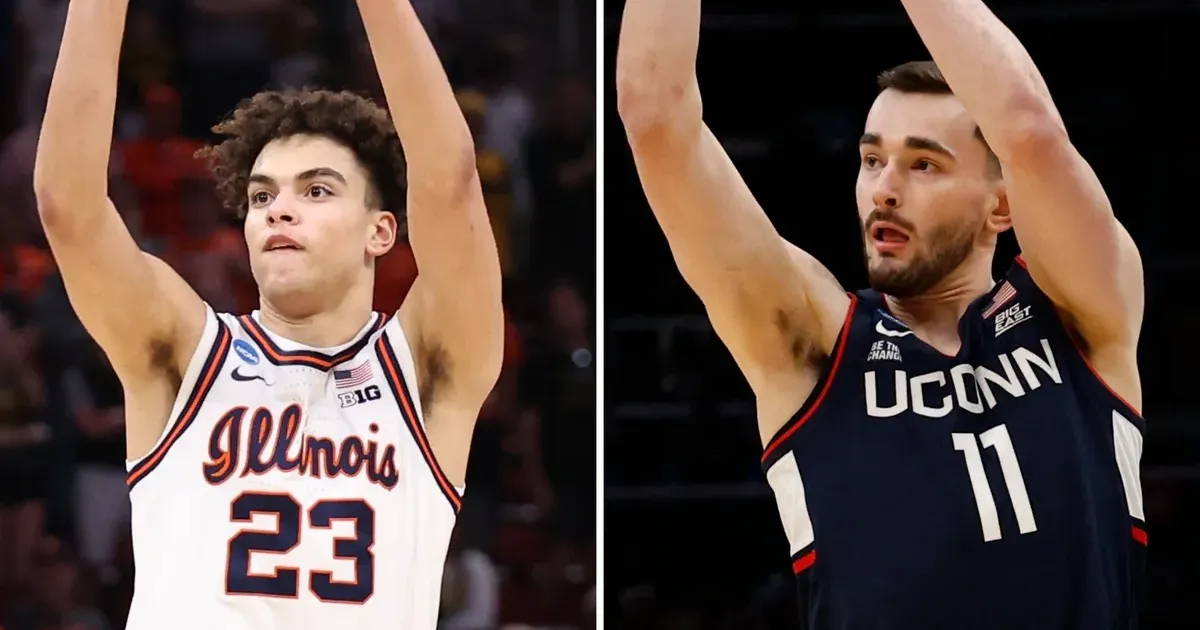
Illinois and UConn prepare to meet at Lucas Oil Stadium in Indianapolis for a semifinal clash that anchors the pinnacle of the collegiate basketball calendar. National broadcasting rights for the event reside with a combination of major networks including TBS, TNT, and truTV, with digital streaming primarily funneled through the Max platform. Regional interest has reached a fever pitch as the Fighting Illini seek their first championship game appearance in over two decades. The April 4, 2026 matchup put Illinois and UConn into a physical Final Four test. Commercial advertisements during this window carry premium price tags, reflecting the huge domestic and international viewership numbers expected for the late-afternoon tip-off.
Streaming access for the Final Four remains a complex landscape of subscription tiers and geographical restrictions. Warner Bros. Discovery Sports manages the main digital distribution, requiring fans to possess valid credentials or active monthly subscriptions to bypass digital paywalls. Viewers in international markets often encounter blackouts due to strict licensing agreements between the NCAA and various global media entities. These barriers frequently lead domestic travelers and overseas fans to use virtual private networks to maintain access to US-based streams. Digital platforms have seen a surge in temporary subscriptions as cord-cutting trends continue to shift the financial weight of sports broadcasting from cable packages to individual apps.
Technical requirements for a stable 4K broadcast demand substantial bandwidth, and local internet service providers in Indiana have reported increased infrastructure load. Many spectators without traditional cable rely on the Paramount Plus service for certain tournament games, although the Final Four specifically revolves around the Turner Sports ecosystem. Free options generally involve trial periods on multi-channel services like YouTube TV or Fubo, which offer limited windows for new users. Total advertising revenue for the 2026 tournament is projected to exceed $1.1 billion, making this single weekend one of the most profitable events in the sports economy.
Illinois Pursuit of a National Championship Berth
Brad Underwood has guided his roster through a grueling tournament path to reach this stage in Indianapolis. After a dominant opening round against Penn, his squad overcame VCU and Houston to set up a regional final against Iowa. Regional Most Outstanding Player Keaton Wagler proved decisive in that matchup, contributing 25 points despite the team trailing at the half. His performance allowed Brad Underwood to secure the first Final Four appearance for the university since the 2005 season. Illinois now carries the burden of ending a long championship drought for the Big Ten conference.
Defensive strategies for the Fighting Illini must account for a high-octane opponent that specializes in late-game execution. David Mirković and Andrej Stojaković have provided the necessary spacing to allow Wagler to operate in the paint, creating a multi-dimensional offense. Brad Underwood emphasized the importance of transition defense in pre-game briefings held earlier this week. The program has invested heavily in recruiting international talent, a strategy that paid dividends throughout the regular season and the opening rounds of March Madness. Shooting depth perception will be a major factor in the unfamiliar environment of a domed NFL stadium.
UConn Quest for a Modern Basketball Dynasty
Dan Hurley leads a Huskies team that narrowly escaped elimination in the East Regional final against Duke. Trailing by 19 points in the second half, the Huskies relied on Tarris Reed Jr. to anchor the interior defense while Braylon Mullins provided the perimeter spark. Mullins secured the victory with a three-point shot with less than a second remaining on the clock. This victory puts Dan Hurley in a position to win a third national title in four years, a feat rarely achieved in the modern era of the sport. UConn enters the matchup as the favorite according to several sportsbooks in Las Vegas.
“The 2026 NCAA Division I Men's Basketball Tournament concludes its regional action with record viewership across digital platforms,” an NCAA media release stated on April 4, 2026.
Success for the Huskies stems from a recruitment philosophy that prioritizes experienced transfer portal additions alongside high-school prospects. Dan Hurley has cultivated an environment of extreme intensity that typically wears down opponents over forty minutes. Tarris Reed Jr. is the main rim protector, a role that will be essential against an aggressive Illinois frontcourt. UConn defeated the Illini during a non-conference meeting at Madison Square Garden in November, giving the Huskies a psychological advantage. The team arrived in Indianapolis on Wednesday to begin acclimation to the Lucas Oil Stadium shooting backdrops.
Economic activity in Indianapolis has spiked as thousands of fans descend on the city for the weekend festivities. Local hotels reported 98 percent occupancy rates as early as March, with room prices tripling in the downtown corridor. The proximity of the Illinois campus to Indianapolis ensures a strong presence of orange-clad supporters in the stands. UConn fans have also traveled in large numbers, strengthened by the program's recent run of dominance. Small businesses and hospitality venues expect a record-breaking weekend for tax revenue in the Marion County area.
Tactical adjustments between the two coaching staffs will likely focus on the three-point line and offensive rebounding. Illinois thrives when Andrej Stojaković finds rhythm early, while the Huskies prefer a controlled tempo that maximizes each possession. Brad Underwood has used a deeper rotation than Dan Hurley during the tournament, which could influence the final ten minutes of play. UConn possesses a higher adjusted efficiency rating on both ends of the floor according to KenPom metrics. The winner of this contest faces either the West or South regional champion on Monday night.
Illinois UConn Matchup Centers on Physical Control
Illinois and UConn enter the matchup with enough defensive strength to make every possession matter. The team that handles contact, rebounds and late-clock pressure will have the cleaner path to the final.