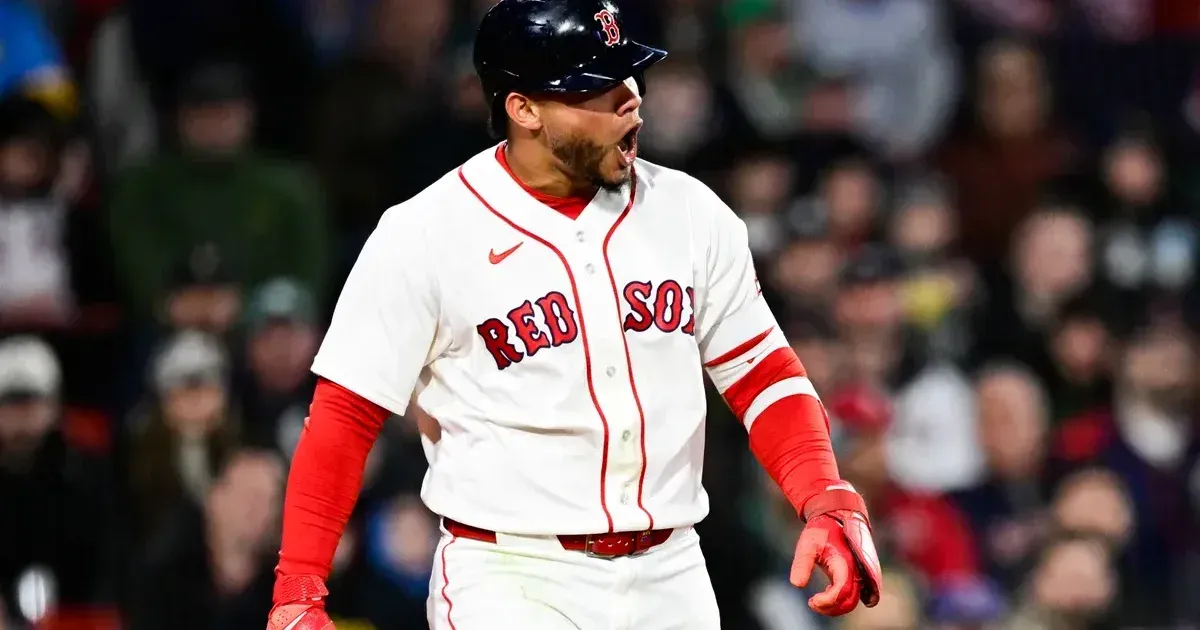
Willson Contreras's warning to the Milwaukee Brewers turned a rivalry dispute into a discipline problem for Major League Baseball. His comments followed another hit-by-pitch episode and made clear that the Cardinals catcher believes the pattern has gone beyond normal inside baseball.
The words mattered because they were specific. The timing mattered because the teams still have to share a division schedule. The exchange escalated on April 7, 2026, because Contreras did not speak in vague frustration. He publicly suggested retaliation could follow if St. Louis players keep being hit, putting league officials in position to intervene before the next series creates a bigger incident.
Milwaukee Pitching Strategy Sparks Internal League Review
League officials are now scrutinizing whether the Milwaukee Brewers are deploying a pitching philosophy that crosses the line from competitive to hazardous. Pitching inside is a fundamental component of professional baseball, intended to prevent hitters from leaning over the plate to drive outside pitches. However, the consistent lack of control shown by Milwaukee hurlers when facing Contreras suggests either a lack of technical precision or a disregard for player safety. The Major League Baseball disciplinary committee typically monitors such trends to prevent escalating brawls.
Data analysts note that the probability of one player being hit 24 times by a single franchise over a decade is astronomically low. Most stars experience occasional hit-by-pitch incidents, but rarely do the numbers cluster so heavily around a specific opponent. Milwaukee manager and pitching coaches maintain that their staff is simply trying to exploit a weakness in the swing of Contreras. They argue that his aggressive stance on the plate makes him more susceptible to being hit by pitches that miss their target by only a few inches.
Brandon Woodruff and the History of Inside Strikes
Brandon Woodruff has become the primary antagonist in this saga due to his specific role in the mounting HBP count. As a power pitcher with a heavy sinker, Woodruff naturally works the inside corner to neutralize right-handed power hitters. His six hits on Contreras represent more than bad luck. Critics of the Milwaukee right-hander suggest that a pitcher of his caliber should possess the command necessary to avoid hitting the same player in multiple seasons.
Command is often the difference between an effective brushback pitch and a dangerous hit. Major league pitchers spend thousands of hours refining their release points to ensure they can hit a target the size of a glove. When a pitcher of Woodruff's experience level misses inside by six or eight inches repeatedly, it raises questions about intent. Contreras has highlighted this discrepancy, pointing out that top-tier pitchers rarely miss their spots so badly against other opponents.
Contreras refuses to accept the excuse of unintentional inaccuracy. He views the repetitive nature of these strikes as a psychological tactic designed to make him uncomfortable in the box. Fear is a powerful tool in the duel between pitcher and batter. If a hitter is constantly worried about a 98-mile-per-hour fastball breaking their ribs, they are less likely to commit to a full, powerful swing on a strike over the heart of the plate.
Injuries resulting from being hit by a pitch can be devastating for a catcher who is already dealing with the physical toll of his position. A broken bone in the hand or wrist could sideline Contreras for months, affecting the postseason aspirations of his club. The financial implications are equally serious, as missing time affects vesting options and future contract negotiations. Every bruise is a potential threat to his livelihood, a fact that explains the intensity of his Monday night warning.
Front-office executives in the league office are currently debating the appropriate response to the comments made by Contreras. While the player has not yet acted on his threat, the explicit promise to "take one of them out" constitutes a violation of the league's code of conduct regarding sportsmanship. Traditional penalties for such rhetoric include fines or private warnings, though a suspension could be considered if the league deems the threat a credible danger to player safety.
Umpires will likely receive instructions to be hyper-vigilant during the next series between these two clubs. Warnings are often issued to both benches before the first pitch is even thrown when a rivalry reaches this level of animosity. This proactive approach aims to prevent the situation from spiraling into a bench-clearing brawl that could result in multiple ejections and injuries. The league prefers to handle these disputes through administrative channels rather than allowing the players to judge them on the field.
MLB Has to Defuse the Pattern
The league does not need to decide whether every pitch was intentional before it acts. It needs to make clear that open retaliation threats will draw scrutiny, especially when the same teams keep circling the same grievance. That makes prevention the real test. If MLB waits until another player is hit or another bench clears, the warning signs will have been obvious.