The Masters field is preparing for a tournament shaped as much by absence as by form. Tiger Woods remains the reference point at Augusta National even when the immediate story turns to legal scrutiny, injury history and whether he can compete again at the major-championship level.
The discussion around Woods mixed court records, golf legacy and the familiar question of how long a champion can remain central to a sport from outside the ropes. The issue was still shaping tournament coverage on April 7, 2026.
Florida Authorities Detail Jupiter Island Rollover Crash
Police reports describe a rollover accident that left the athlete's vehicle severely damaged. Witnesses reported seeing the Range Rover collide with a stationary pickup truck before flipping. Investigators noted the severity of the impacts while processing the debris field on the island. Local prosecutors moved forward with charges related to property damage following the collision. Woods has since pleaded not guilty to all counts through his legal representatives. Records show he was already in a fragile physical state before the crash occurred.
Recovery from a ruptured Achilles tendon had sidelined the golfer since March 2025. Surgical intervention for a lumbar disc replacement took place in October, marking the seventh back surgery of his career. Total surgical procedures for the veteran athlete now range between 25 and 30 operations over three decades. Pain management became a central theme of his recovery process. The presence of prescription opioids at the time of his arrest raised concerns regarding the intersection of chronic injury and chemical dependency.
Jason Day Critiques Woods' Decisions Before Masters
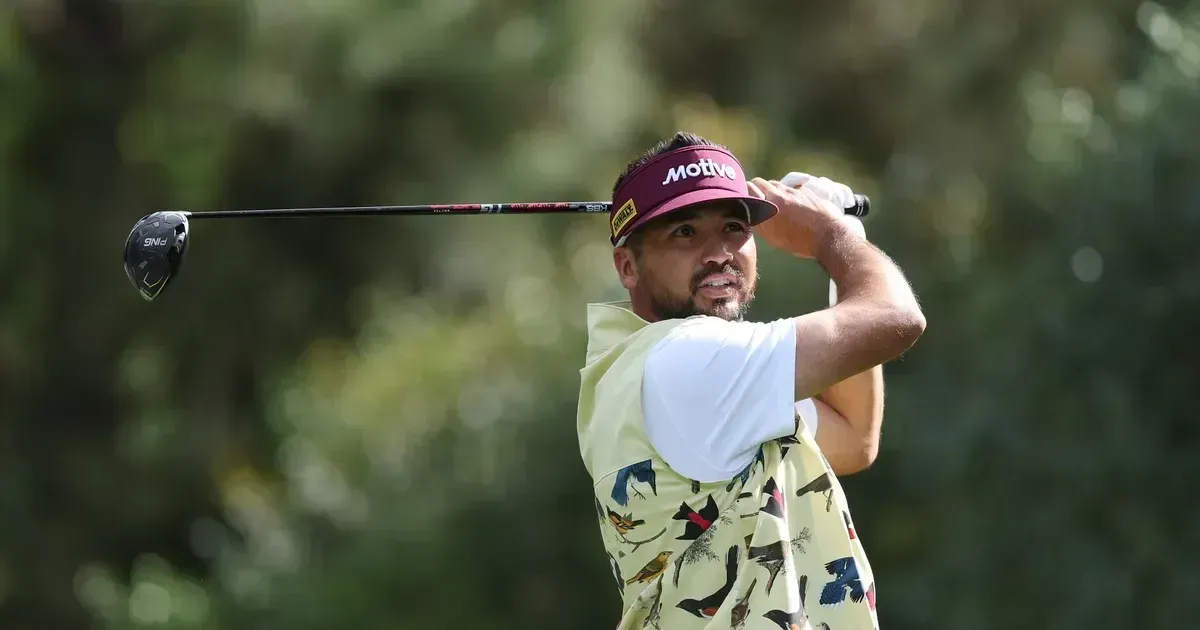
Jason Day spoke candidly about his former mentor during a press conference on the Monday before the tournament. Loyalty to a childhood hero collided with the harsh reality of the police report. Day expressed deep compassion for the human struggles Woods faces while simultaneously condemning the act of driving under the influence.
Day noted that Woods' strong-willed nature often leads him to believe he can overcome any obstacle, including physical impairment. This mindset propelled the golfer to 15 major championships but perhaps contributed to his current legal predicament. Addiction does not respect a trophy case. Day acknowledged that the pressure of living under a microscope worsens the difficulty of recovery. Some observers want to see a comeback, while others appear to anticipate another failure. Public scrutiny remains a constant factor in the golfer's life.
“It's unfortunate. The only thing that I don't understand is that it's a little bit selfish of him to drive and put other people in harm's way as well,” Day said.
Augusta National feels different without the presence of its most iconic modern figures. Tiger Woods is not the only high-profile name missing from the 2026 field. Phil Mickelson announced his withdrawal citing a family health matter only days after the Florida arrest. Patrick Reed, the 2018 champion, remarked that the absence of both legends hurts the professional game. Reed pointed out that the atmosphere loses a specific energy when the two most recognizable players of the era stay home. LIV Golf participants and PGA Tour mainstays found common ground in their disappointment over the thinning leaderboard.
Golf fans typically flock to the hills of Georgia to witness history. Empty spaces in the pairing sheets reflect a sport in transition. Bubba Watson approached the situation from a human perspective, focusing on the person behind the brand. Watson suggested that the game of golf is secondary to the health and well-being of a colleague in crisis. He emphasized the need for privacy during the treatment phase. Stability in the professional ranks depends on the health of its biggest stars.
Medical experts point to a cycle of injury and surgery that has plagued the former world number one for years. The 2021 car accident in Southern California nearly resulted in the amputation of his leg. Successive operations on his back and ankles have limited his ability to practice or compete at the highest level. Each attempt at a return has been met with new physical setbacks. The more than 25 surgeries he has endured would end the career of almost any other athlete. Woods persists in his efforts to return to the fairways, but the physical toll is undeniable.
Prescription medication often plays a role in managing the aftermath of such extensive trauma. The March 27 arrest highlights the risks associated with long-term pain management protocols. Treatment facilities will likely focus on both the physical and psychological aspects of his dependency. Colleagues at Augusta National hope for a full recovery that extends beyond the golf course. Competitive sports are demanding, but the requirements for personal health are even more rigorous. Professional golf moves forward, yet the shadow of its greatest champion remains behind in Florida.
An Absence Bigger Than the Field
Woods still changes the tournament conversation because Augusta is tied to his most famous achievements. That influence does not erase the legal and physical questions now surrounding him.
The field can move forward without him, but the sport has not fully learned how to tell a Masters story that does not circle back to Tiger Woods.