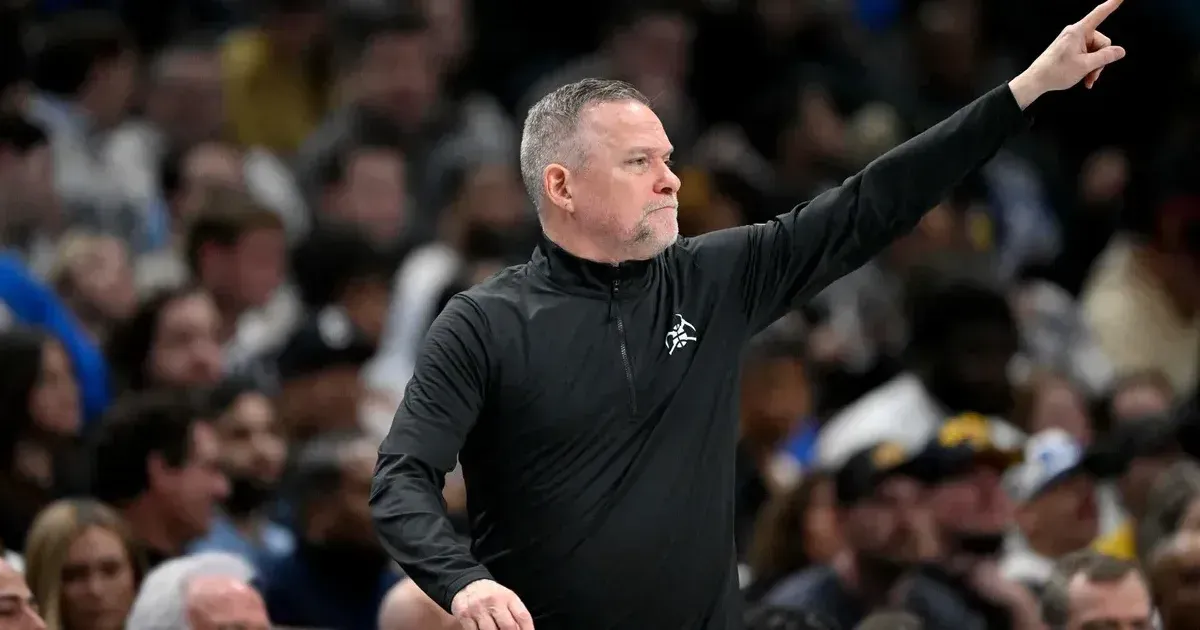
Michael Malone's agreement with North Carolina gives the Tar Heels an NBA championship coach and a very different kind of risk. His professional resume is strong, but college basketball now runs on recruiting, transfers and NIL management.
The job extends beyond a bench assignment. North Carolina moved on from Hubert Davis and reached the deal with Malone on April 6, 2026. Malone brings tactical authority from the Denver Nuggets, yet his first test in Chapel Hill will be translating that authority to players, families, donors and the transfer portal.
NBA Championship Experience and Tactical Pedigree
Experience at the professional level is the primary justification for this unconventional hire by the Tar Heels. Malone spent nearly a decade in Denver, transforming a struggling franchise into a perennial contender in the Western Conference. Success there peaked with a dominant postseason run where the Nuggets defeated the Miami Heat in five games. Analysts often cited his ability to build a system around unique talents like Nikola Jokic as his greatest coaching strength. Professional scouts noted that his offensive schemes relied on spacing and high-IQ passing. Malone managed to maintain six consecutive playoff appearances before his eventual departure from the Nuggets organization.
Pete Thamel of Yahoo Sports reported that the hiring mimics the strategy used for the university football program. Leaders in the athletic department previously secured Bill Belichick to lead the football team despite his lack of recent college experience. This pattern suggests a shift toward hiring proven professional winners rather than career collegiate assistants. Malone did serve as a college assistant early in his career, but he has never held a head coaching position at a university. History shows that he struggled in his first head coaching role with the Sacramento Kings, where he finished with a 39-67 record.
Transition Challenges and Collegiate Recruitment
Recruiting remains the most serious hurdle for any professional coach entering the NCAA environment. College basketball now involves complex negotiations regarding name, image and likeness (NIL) deals and the transfer portal. Malone must convince high-school athletes to join his program without the direct leverage of a professional salary. High-profile recruits often prioritize immediate playing time and professional development over long-term loyalty to a school. Staffing will be critical for Malone as he seeks assistants with deep ties to the high school and AAU circuits. The Atlantic Coast Conference presents a grueling schedule against Hall of Fame-caliber coaching peers. Malone will need to adapt his 82-game endurance mindset to the do-or-die nature of the March tournament format.
North Carolina intends to hire longtime NBA coach Michael Malone as the school's next basketball coach. He won an NBA championship with the Denver Nuggets in the 2022-23 season and has won 510 games as an NBA head coach.
He later proved those early struggles were an outlier by establishing a culture of accountability in Denver. Malone won over 500 games while managing the personalities of multimillionaire athletes.
Hubert Davis struggled to maintain the standard established by Roy Williams during his final years in Chapel Hill. Internal pressure mounted as the team failed to secure dominant positions in the national rankings. University boosters demanded a hire that could restore the program to its status as a destination for top-tier talent. Malone brings a level of name recognition that few collegiate candidates could match. His reputation for defensive toughness and locker room discipline appeals to a donor base that values traditional basketball fundamentals. Malone is expected to bring several members of his professional staff to assist in the transition to the college game.
North Carolina officials appear committed to a specific philosophy of hiring legendary professional figures. The athletic department is betting that the professionalization of college sports makes NBA and NFL experience more valuable than ever before. If an athlete views the university as a direct pipeline to the professional draft, the lack of collegiate experience in the head coach becomes a secondary concern. Malone knows exactly what professional scouts look for in prospects because he spent years drafting and developing them. This insider knowledge could become a powerful recruiting tool on the trail.
An NBA Resume Meets College Demands
Does the hiring of an NBA champion signal the final professionalization of the collegiate model, or is it a desperate reach for relevance by a fading blue blood? North Carolina is gambling that the name on the back of a championship ring outweighs the intricacies of NCAA compliance and the devastating cycle of recruiting. Michael Malone is an elite tactician, but he is entering a world where he cannot simply trade a disgruntled player or wait for a lottery pick to save the season. In the professional ranks, he had the luxury of Nikola Jokic. In Chapel Hill, he has a revolving door of players who might leave the moment a better NIL offer appears in their inbox.
Cynicism is warranted here. The athletic department's obsession with hiring professional retirees like Bill Belichick and Malone reeks of a lack of imagination. It assumes that coaching is a universal skill that transfers seamlessly across vastly different psychological landscapes. Professional players are employees; college players are customers and students. If Malone treats a nineteen-year-old point guard with the same abrasive discipline he used on NBA veterans, the transfer portal will be his only legacy. The Tar Heels are no longer leading the pack. They are chasing a professional ghost.