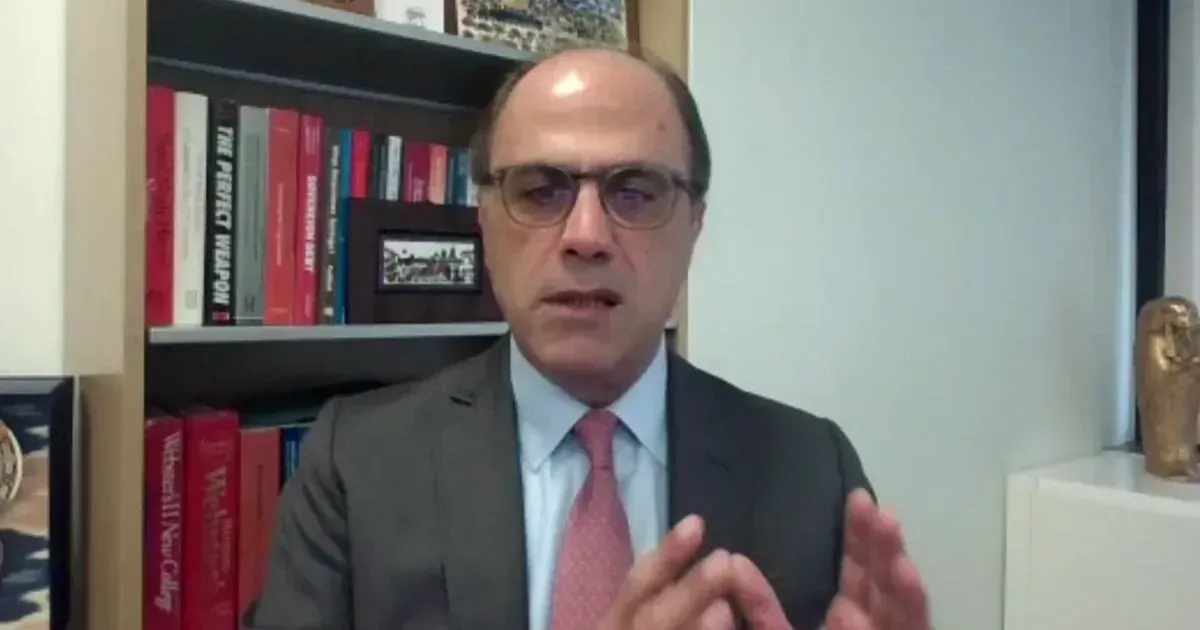
International Monetary Fund officials confirmed on April 23, 2026, that negotiations regarding a multi-billion-dollar financing program for Lebanon are moving forward. Discussion between technical teams and the Lebanese government has intensified during a period of extreme fiscal pressure. Statements from the Washington-based lender suggest that despite regional volatility, technical discussions have reached a more mature stage. Lebanon faces a dual crisis of economic insolvency and escalating military conflict. Economic stability remains a distant goal while the nation manages the humanitarian and fiscal costs of war.
Projections for the coming year indicate that without an immediate injection of foreign capital, the state may struggle to fund essential public services. Negotiators from the International Monetary Fund have spent weeks reviewing the latest fiscal data from Beirut. Detailed assessments of the current debt trajectory show a substantial widening of the deficit. Financial requirements for a sustainable recovery have increased sharply over the last twenty-four months.
Lebanon Economic Stability and Conflict Hurdles
Military operations in the southern regions have destroyed critical agricultural land and utility infrastructure. Infrastructure repairs alone will require billions of dollars that the central treasury currently lacks. Security concerns have evaporated the tourism revenue that typically sustains the local service industry. Economic growth has stalled as internal displacement puts additional strain on the national budget. Specifically, the displacement of over one million people has created enormous demand for social spending. Lebanon, however, lacks the credit access to borrow from international markets to meet these needs. Southern agricultural output has effectively ceased.
Small businesses in the border regions have closed their doors indefinitely. Direct damage to civilian infrastructure is estimated in the hundreds of millions of dollars. Real estate values in Beirut have stagnated as investors wait for a ceasefire. Security risks continue to deter foreign direct investment into the growing technology sector.
Economic output continues to shrink as the private sector struggles with limited access to electricity. Households are forced to spend a disproportionate share of their income on private generators. Recent data indicates that the cost of living for average families has increased by 400 percent over the last three years. Poverty rates now include nearly eighty percent of the population. Hunger and unemployment have become systemic issues that threaten social cohesion. Foreign reserves are dwindling at a rate that alarms international observers. Debt-to-GDP ratios have reached unsustainable levels.
Banking Sector Restructuring and Reform Mandates
Financial losses in the banking system exceed $70 billion, a figure that dwarfs the country's annual economic output. Reforming the Banque du Liban continues to be a foundation of the fund's demands for a rescue package. Depositors continue to face restrictive withdrawal limits that prevent access to lifetime savings. Banks have operated in a state of semi-paralysis since the 2019 financial collapse. Restructuring these institutions involves a painful allocation of losses between the state, the banks, and the depositors. Reformers in the caretaker government face stiff opposition from political factions with ties to the financial elite.
Audit results of the central bank have revealed decades of opaque accounting practices. Accountability for these losses is a primary demand from the Lebanese public. Trust in the financial system has reached an all-time low. Credit facilities for businesses remain largely unavailable. Cash-based transactions have become the norm as the digital economy retreats.
A spokesperson for the International Monetary Fund stated that the team remains engaged with the authorities on the necessary steps to restore macroeconomic stability.
Parliament has struggled to pass a capital control law that meets international standards for transparency. Legislators have debated various versions of the law for years without reaching a consensus. Unified exchange rates were introduced in early 2024, yet a black market for currency persists. Inflation remains in the triple digits, eroding the purchasing power of civil servants. Wage adjustments for the public sector have failed to keep pace with the devaluation of the local currency. Protests by retired military personnel over pension values highlight the depth of the social crisis. Stabilizing the Lebanese Pound is impossible without a functioning banking sector.
Legislative Gridlock and International Pressure
International donors have tied future aid to the successful completion of the IMF program. France and the United States have consistently urged Lebanese leaders to prioritize reform over sectarian interests. Caretaker Prime Minister Najib Mikati has expressed optimism regarding the latest round of talks. Political will is the only currency currently in short supply in Beirut. Disputes over the appointment of a new central bank governor have delayed key decisions. Legislative sessions are frequently boycotted by various blocs, leading to a state of policy inertia. Foreign observers worry that the window for a managed recovery is closing rapidly.
Lebanon has already defaulted on its Eurobond payments, making it a pariah in global capital markets. Reentry into these markets requires a thorough debt restructuring deal. Creditors are unlikely to accept a haircut without a clear path to fiscal sustainability. The $3 billion staff-level agreement signed in 2022 is the template for the current negotiations. Most of the prior actions required in that agreement remain unfulfilled.
External shocks from the neighboring conflict have redirected government attention away from financial legislation. Defence spending has taken priority as the military seeks to maintain order in the border zones. Humanitarian assistance from the United Nations provides an essential safety net for the most vulnerable. Internal political divisions prevent the election of a president, leaving the country with a caretaker government of limited powers. This executive vacuum complicates the signing of any final international treaties. Lebanese banks remain closed to most retail depositors.
IMF Financing Tests Lebanon’s Reform Leverage
Relying on the benevolence of international lenders is a dangerous gamble for a state that has spent decades cannibalizing its own financial foundations. The optimism radiating from the IMF regarding progress in Lebanon is less a reflection of actual reform and more a symptom of geopolitical desperation. Western powers are terrified of a total state collapse on the Mediterranean, which would trigger a migration crisis and a permanent power vacuum. So, the IMF is being pressured to lower its standards for a regime that has shown zero inclination toward genuine transparency.
Lebanon is not a country in a temporary slump; it is a kleptocracy that has successfully offloaded the cost of its failures onto the backs of its poorest citizens. Any financing program that does not involve the absolute dismantling of the current political-banking nexus is merely a stay of execution.
Technical progress in negotiations means very little when the legislative body tasked with implementation is paralyzed by sectarian gridlock. Prime Minister Najib Mikati and his peers are masters of the performative reform, offering just enough concessions to keep the IMF at the table while protecting the assets of the ruling class. The $70 billion hole in the financial system is not a math problem; it is a crime scene. Until the perpetrators are held accountable, no amount of foreign capital will fix the underlying rot. Investors should see through the diplomatic jargon and recognize that Lebanon is a black hole for capital. The state is dead.