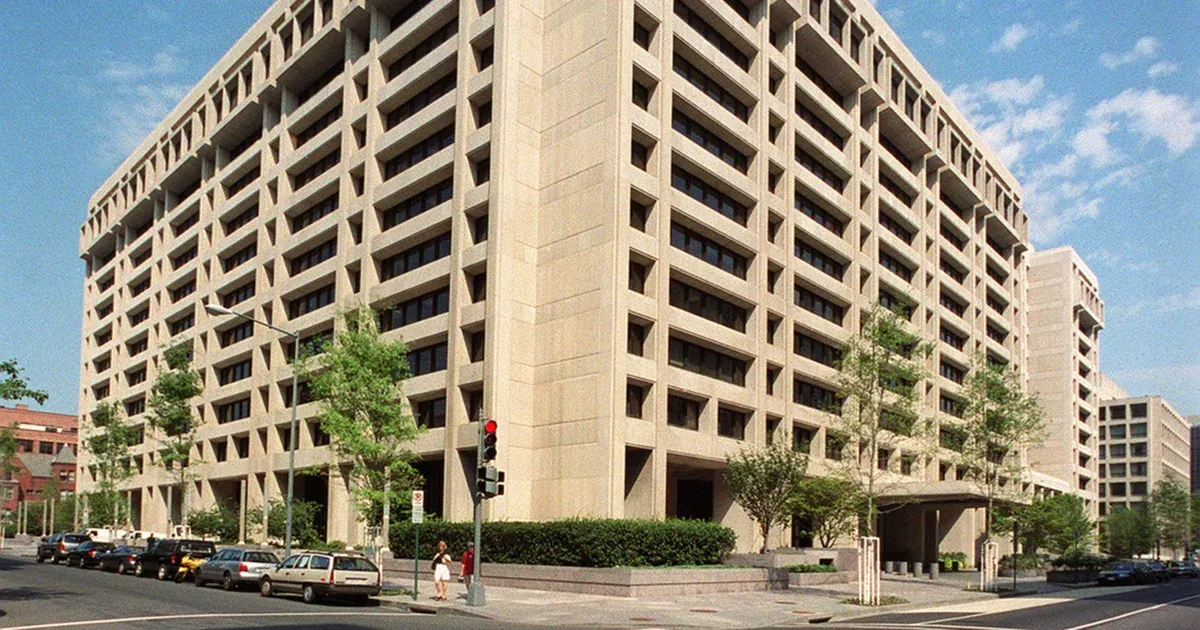
Kristalina Georgieva warned that the Middle East conflict could leave permanent damage on global growth even if a peace agreement is reached. Speaking from the International Monetary Fund, she described a future of lower living standards and structural instability. In her April 9, 2026, warning, Georgieva focused on energy distribution, shipping insurance and debt pressure in both advanced and emerging economies.
The IMF's concern is that wars do not end economically when the shooting slows. Supply chains can remain rerouted, investment can stay delayed and governments can spend years repairing fiscal damage. That is why the Fund uses language such as scarring: the loss becomes embedded in future growth paths.
Permanent Scars on Global Growth
Energy is the most visible transmission channel. If conflict keeps oil, gas or shipping routes under threat, importers face higher prices and more volatile budgets. That pressure can feed inflation, weaken currencies and force central banks to keep policy tighter than they otherwise would.
Insurance and freight costs also matter. Even without a complete closure of a major route, perceived danger can raise the cost of moving goods. Companies then pass those costs through supply chains, and consumers experience the war as higher prices on ordinary products.
Debt Pressure and Living Standards
Emerging economies face the sharpest exposure because many already carry high debt and import fuel in dollars. A stronger dollar, higher energy bill and weaker global demand can arrive together. That combination limits public spending precisely when households need protection from price shocks.
Advanced economies are not insulated. They may absorb higher costs more easily, but they still face weaker confidence, lower investment and pressure on defense budgets. If governments respond with borrowing, fiscal space narrows for health, infrastructure and climate adaptation.
The policy response will be judged by precision. Broad fuel subsidies can buy time, but they also drain budgets and often benefit households that need less help. Targeted cash support, reserve coordination and credible debt plans are harder to communicate, yet they offer a cleaner path for governments trying to protect living standards without locking in permanent deficits.
Why Peace May Not Restore the Baseline
A peace agreement can reduce immediate risk, but it cannot automatically rebuild trust. Investors may still price in the chance of renewed conflict. Shipping firms may keep alternative routes. Governments may continue stockpiling energy or subsidizing strategic industries. Each response is rational on its own, but together they make the global economy less efficient.
The IMF warning is therefore aimed at policy choices now. Countries can cushion the shock through targeted support, credible budgets and cooperation on energy supply. What they cannot do is assume that markets will snap back simply because diplomats announce a deal.
The central message is sober rather than dramatic. Conflict creates damage that compounds. The longer uncertainty lasts, the more likely temporary disruption becomes a permanent drag on growth and living standards.
The Fund is also speaking to governments that may be tempted to hide the cost through broad subsidies. Those policies can soften public anger in the short term, but they often strain budgets and reward consumption rather than protecting the poorest households. Targeted support is harder to administer but more sustainable.
Central banks face a separate dilemma. If conflict raises prices while weakening growth, policymakers may be forced to choose between inflation control and economic support. That tradeoff is especially painful in countries still recovering from earlier price shocks. Georgieva's warning is ultimately a call for preparation. Governments cannot control every geopolitical shock, but they can build buffers, diversify energy sources and keep debt plans credible. Those choices determine whether a conflict shock becomes manageable turbulence or a lasting setback. The warning also speaks to private companies. Firms may need to rethink inventory, shipping routes and energy hedging if conflict risk becomes persistent. Those defensive decisions protect individual companies, but they can make the overall economy more fragmented and less productive. That is the deeper cost the IMF is identifying. The world can adapt to instability, but adaptation often means duplication, higher buffers and lower efficiency. Over time, those choices reduce the growth that would otherwise raise wages and living standards. That is why the IMF issued the warning early, before governments normalize emergency costs that could quietly become a lower-growth economic order. It is also a warning against complacency in countries far from the battlefield. Economic distance does not eliminate exposure when energy, shipping, credit and confidence all move through connected markets. The warning is global. Policymakers should treat that risk as immediate rather than theoretical.