India is preparing to move domestic diesel prices after a four-year freeze, a change that will be felt first by freight operators and then by households. Transport unions were already asking whether the freeze could survive another external shock.
On April 20, 2026, retailers were preparing for a new round of freight negotiations as New Delhi moved toward a pricing reset it had delayed through subsidies and state-controlled adjustments.
Indian Oil Corporation and other state-linked suppliers have carried part of the burden while the government tried to shield consumers from imported energy shocks.
Freight Operators Face the First Hit
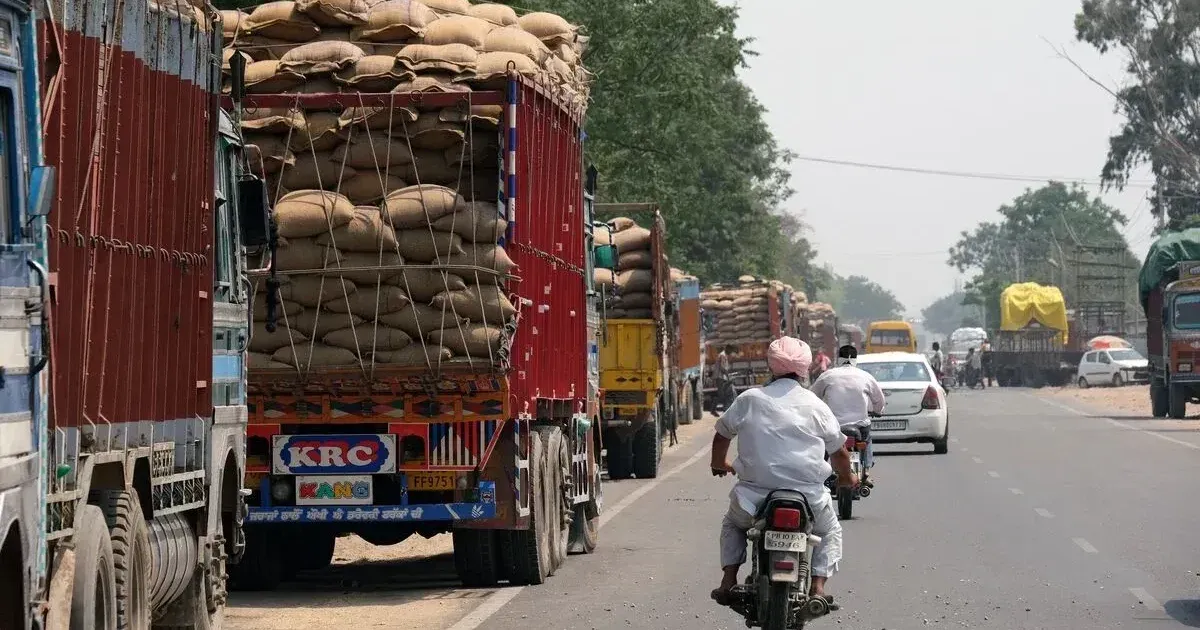
Truckers are likely to feel the change before shoppers do. Higher diesel costs can move quickly through grain, vegetables, manufactured goods and construction materials because so much domestic commerce depends on road transport.
The All India Motor Transport Congress has warned in past pricing disputes that sudden increases are difficult for small fleet owners, who often run on thin margins and cannot renegotiate contracts overnight.
A phased increase would be easier to absorb, but even gradual moves can change expectations. Transporters may demand new rates before the full adjustment reaches the pump.
Subsidy Politics Get Harder
The freeze was politically useful because diesel touches almost every part of the economy. Farmers depend on it for machinery and transport, traders depend on it to move produce, and small businesses use freight costs to price goods.
State oil companies also face a credibility problem when administered prices drift too far from market costs. If they absorb losses too long, the bill eventually appears through government support, weaker balance sheets or sharper later increases.
New Delhi still has tools: phased changes, targeted support and pressure on state firms to absorb part of the move. Each option carries a cost for consumers, refiners or the budget.
Inflation Risk Returns
The Reserve Bank of India will watch second-round effects. If diesel lifts food distribution costs and then wages, the pricing reset could complicate the central bank's inflation path even if global crude prices settle later.
For consumers, the change may not appear first as a pump-price story. It may show up in vegetables, delivery fees, construction material and bus fares.
That is why diesel policy has to be treated as a household-cost issue rather than a narrow energy correction. Ending the freeze means admitting that shielding consumers from global volatility often delays the bill rather than eliminating it.
Transport unions had already begun asking whether the freeze could survive another external shock. That question matters because India's logistics system runs on thin timing as much as thin margins. A fuel-price change can alter the cost of moving grain, vegetables, construction materials and consumer goods before families understand why prices have shifted.
State governments will also face pressure. Fuel taxes differ across states, and transport corridors do not stop at state borders. If a central diesel adjustment combines with local levies, some routes may feel sharper cost increases than others. New Delhi can soften the move with targeted support, but targeting is politically harder than broad price suppression. Broad support is easier to explain, yet it is expensive and often benefits households that do not need help most. The diesel reset is therefore a test of policy communication as much as arithmetic. The government has to explain why the freeze cannot continue indefinitely while convincing transporters that the change will not be dumped entirely on them. Diesel is politically sensitive because it hides inside almost every household purchase. Families may not buy diesel directly, but they buy goods moved by diesel trucks, food harvested with diesel-powered equipment and building materials delivered through diesel-heavy logistics networks. That makes the end of the freeze a sequencing problem. If the government moves too quickly, freight unions and opposition parties can frame the adjustment as a shock to ordinary families. If it moves too slowly, state-linked fuel companies continue carrying costs that weaken investment and fiscal credibility. The policy also has a regional dimension. State taxes and transport corridors can make the same national fuel decision feel different across India. A route serving one city may absorb the increase differently from a route crossing several state tax regimes. The central bank will care about expectations as much as pump prices. If transporters, wholesalers and retailers assume diesel will keep rising, they may adjust prices before the full cost arrives. That is how a controlled energy adjustment can become a wider inflation story. For New Delhi, the cleanest path is a gradual reset paired with clear relief for the households most exposed to food and transport costs. Anything less risks turning a technical fuel decision into a broader cost-of-living fight. There is also a credibility issue for state-linked fuel suppliers. If companies are expected to act commercially in some areas but politically absorb losses in others, investors and managers receive mixed signals. That can weaken planning for refinery upgrades, distribution investment and future supply security. Opposition parties will likely focus on the household impact, while the government will point to global energy pressure and fiscal limits. Both arguments can be partly true. The practical question is whether the adjustment is paced well enough to avoid a sudden hit to food prices. India has managed fuel politics before, but the long freeze raises expectations that stability is normal. Resetting those expectations may be harder than changing the price itself.