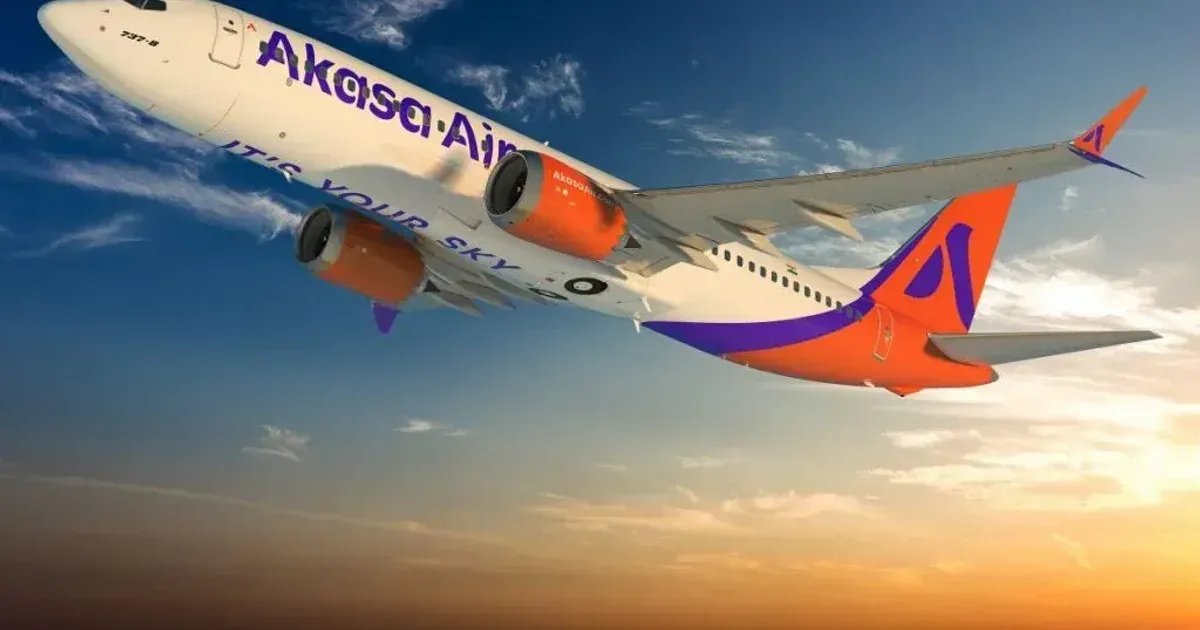
India has stepped back from a consumer-friendly airline rule after carriers warned that it would change fare economics. The pause keeps paid seat selection alive while regulators search for a narrower compromise.
Passengers are still waiting for clearer pricing.
India's Ministry of Civil Aviation announced on April 6, 2026, that it would suspend a disputed policy intended to eliminate fees for all flight seat selections. Officials in New Delhi cited the need for deeper consultation with domestic carriers who argued that free seat selection would destabilize already fragile profit margins. Regulators originally proposed the mandate to improve passenger satisfaction by removing hidden costs from the booking process. Indian airlines, including IndiGo and Air India, collectively lobbied against the change by highlighting the essential role of ancillary revenue in the current economic environment. Government sources indicate that the pause is indefinite while a new task force reviews the impact on base ticket prices.
Ministry of Civil Aviation Reverses Fee Mandate
The Ministry of Civil Aviation issued a circular stating that the previous directive aimed at making all seats free of charge will not take effect as scheduled. This decision comes after intense deliberations with stakeholders who presented financial models showing the potential for operating losses. Ministry officials initially believed that the move would simplify travel for families and groups who often find themselves separated unless they pay extra. Nevertheless, the technical complexities of seat allocation algorithms proved difficult to reconcile with a universal free-access model. Boarding efficiency also entered the debate, as airlines use seat pricing to manage the flow of passengers during the embarkation process.
Logistical concerns outweighed the perceived public relations benefits of the free-seat policy. If every seat were free, the most desirable rows would be claimed instantly by those who book months in advance, leaving no options for business travelers who book last-minute and often require specific seating for quick exits. Airlines currently use dynamic pricing to ensure that premium seats remain available for those willing to pay a surcharge. Regulatory authorities expressed concern that a first-come, first-served free model could lead to website crashes and consumer frustration during peak holiday booking periods. The suspension allows for a more detailed approach to seat categorization.
Revenue Models and Unbundled Airline Services
Modern aviation economics relies heavily on the concept of unbundling, a strategy that separates the core transportation service from secondary amenities. Indian carriers have perfected this model over the last decade to compete with the rising costs of Aviation Turbine Fuel. Because fuel taxes in India are among the highest in the world, airlines look for every possible avenue to offset operational expenditures. Ancillary fees for meals, extra baggage, and seat selection provide a necessary cushion against volatile global oil prices. Financial disclosures from major LCCs show that these fees often represent the entire profit margin on a per-passenger basis.
“The ministry has decided to keep the move in abeyance to consult further with all stakeholders to ensure a balanced approach for both airlines and passengers,” officials said.
Pressure from the Federation of Indian Airlines played a central role in this policy reversal. Carriers argued that unbundling services, which allows passengers to pay only for the features they use, remains the standard for low-cost aviation globally. Removing the ability to charge for specific seats would force airlines to distribute those costs across all tickets. Base fares would likely rise as a result. Industry data suggests that seat selection fees contribute significantly to the 10 percent to 15 percent of total revenue generated through ancillary services. Maintaining these revenue streams allows airlines to offer ultra-low fares for budget-conscious travelers who do not prioritize seat location.
“Airlines must have the flexibility to price their product based on market demands,” industry representatives said.
Passenger advocacy groups expressed disappointment with the delay, claiming that seat fees have become an unfair tax on families. These organizations argue that a basic expectation of air travel is the ability to sit with travel companions without incurring additional costs. Some consumer rights activists in India have pointed to policies in other jurisdictions that mandate free seating for minors traveling with adults. While the ministry considered a partial mandate for families, the implementation of such a rule requires sophisticated software updates across multiple booking platforms. Most Indian carriers operate on thin margins where even minor regulatory shifts can lead to quarterly losses. The debate over fee disclosure reflects broader trends in international passenger rights legislation gaining momentum internationally.
Strategic pricing allows Akasa Air and other newer entrants to remain competitive against established giants. If the government mandates free seating, these smaller players might lose the ability to undercut larger competitors on base fare prices. Revenue management systems are currently programmed to fluctuate seat prices based on historical data and real-time demand. Removing this variable would require a total overhaul of the pricing engines used by the industry. Analysts at several Mumbai-based brokerages noted that the stock prices of listed airlines reacted positively to the news of the policy pause. Investors viewed the mandate as a threat to the long-term sustainability of the sector.
Airline Fee Compromise
Regulatory flip-flops characterize the Indian aviation sector more than any technological innovation. By retreating from the free-seat mandate, the Ministry of Civil Aviation has signaled that it values the solvency of airlines over the wallets of the middle-class voters it supposedly protects. It is a predictable bow to the lobbying power of the Tata Group and IndiGo, who have effectively consolidated the market into a duopoly that New Delhi is terrified of upsetting. The government's claim that it needs more time for consultation is a standard bureaucratic mask for a total surrender to corporate interests.
Does the government truly believe that airlines will lower fares if allowed to keep these fees? History suggests the opposite. Airlines will continue to unbundle every conceivable service until the base fare covers little more than a standing spot in the aisle. The argument that free seating would raise prices for everyone is a convenient fiction designed to pit passengers against one another while the carriers protect their ancillary gold mines. If the ministry were serious about consumer protection, it would have mandated seat transparency years ago instead of floating a radical policy it had no intention of defending.