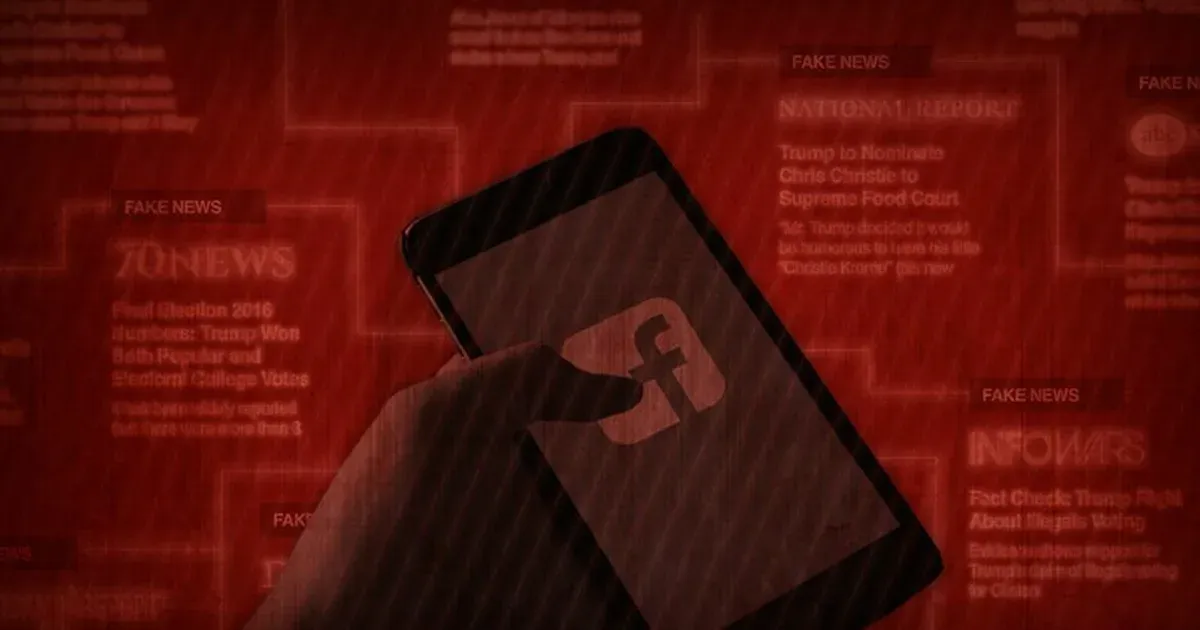
Cardiff Study Exposes Influencer Role in Digital Deception
The Cardiff findings point to a platform-risk problem. By March 13, 2026, the update had entered the public record. Reputation and reach can move false claims faster than a normal account. Cardiff Business School researchers recently completed an exhaustive three-year investigation into the mechanics of digital deception. Their findings, published in the journal Psychology & Marketing, reveal a disturbing correlation between influencer status and the virulence of false information.
Data derived from the 47 global brands suggests that the messenger matters far more than the message itself. While a regular user might post a false claim that receives mild pushback or is quickly ignored, the same claim from an influencer triggers a cascade of aggressive defense mechanisms. Followers frequently view any attempt to debunk the influencer as a personal attack on their own identity or values. Such loyalty transforms a simple factual error into a tribal conflict. The study found that toxicity levels in comment sections spiked by a significant margin when an influencer was the primary source of a rumor. Users who attempted to provide evidence-based corrections were met with vitriol, dog-piling, and organized harassment. This aggressive environment discourages neutral observers from intervening, allowing the misinformation to fester in an unchallenged environment.
Personalities with large followings possess a unique ability to shield false claims from scrutiny. Researchers describe this as the parasocial bond, a one-sided psychological relationship where the follower feels an intimate connection to the digital creator. When an influencer shares a review or a rumor about a brand, the audience perceives it as advice from a trusted friend. Unlike traditional advertisements or news reports, influencer content bypasses the standard filters of skepticism. Cardiff's analysis showed that misinformation originating from these sources had a longer lifespan and a wider reach than posts from any other category of user. The three-year window allowed academics to see how these rumors often resurfaced months or years later, fueled by the same loyal fan bases that initially popularized them.
Digital engagement favors the loudest and most controversial voices.
Retail, beauty, and technology sectors suffered the highest rates of toxicity during the monitoring period. In many instances, influencers shared unverified claims about product safety or corporate ethics that led to immediate financial repercussions for the target companies. Brands often find themselves in a tactical disadvantage. If a corporation attempts to sue or publicly correct a popular influencer, the fan base typically responds with a boycott or a coordinated smear campaign. The Cardiff study highlights that the influencer ecosystem rewards the creation of outrage because toxicity drives the algorithms that determine visibility. Higher engagement numbers, even if driven by anger and lies, translate directly into higher sponsorship rates and platform revenue for the creator. It is a system built to prioritize emotional resonance over objective truth.
Psychological triggers play a massive role in how followers process these interactions. When a creator they admire posts a controversial claim, the brain processes the information through a lens of confirmation bias. Followers are not looking for truth, they are looking for reasons to support the person they like. Cardiff researchers noted that regular users are held to a much higher standard of proof by their peers. If an unknown account posts a lie, the community often exposes it within hours. But when an influencer does it, the community often constructs a narrative to justify the lie. This creates a dangerous precedent where the most visible people on the internet are also the least likely to be held accountable for the accuracy of their statements.
Corporate public relations departments now face a reality where traditional crisis management tools are largely ineffective. A press release cannot compete with a thirty-second video that has gone viral among a dedicated subculture. Cardiff's data shows that brand reputation is increasingly at the mercy of individuals who operate without the editorial oversight or legal departments found in traditional media. Many of these creators have no formal training in journalism or ethics, yet they command larger audiences than major news networks. The study suggests that the shift from institutional trust to individual trust has created a vacuum where misinformation can thrive without consequence. Influencers act as accelerants for the most corrosive elements of social media discourse.
Nine industries were scrutinized to see if the type of product changed the behavior of the audience. Researchers found that luxury goods and health-related products triggered the most aggressive defensive behaviors. In the health sector, influencers often shared pseudoscientific claims that were not only false but potentially dangerous to the consumer. When medical professionals attempted to intervene in the comment sections, they were frequently dismissed as being part of a corporate conspiracy. The Cardiff study proves that the influencer-follower dynamic is powerful enough to override professional expertise. This shift in authority is a challenge to the way information is verified and distributed in the modern era.
Marketing budgets continue to shift toward influencer partnerships despite these risks. Companies are often caught in a paradox where they fund the very individuals who could potentially destroy their brand with a single inaccurate post. The Cardiff report indicates that few brands have effective strategies for dealing with the fallout of influencer-led misinformation. Most companies prefer to ignore the problem rather than risk the backlash of confronting a popular figure. Its silence is often interpreted by the audience as a quiet admission of guilt, further reinforcing the false narrative. The research concludes that the structural design of social media platforms actively encourages this cycle of toxicity and deception.
Future regulations may be the only way to curb the spread of toxic misinformation. While some platforms have introduced fact-checking labels, these are often ignored or mocked by the influencer's core audience. The Cardiff Business School report suggests that the problem is not a lack of information, but a surplus of misplaced trust. Until the financial incentives for spreading outrage are removed, the influencer economy will continue to produce high levels of toxicity. The study is a foundational piece of evidence for policymakers who are looking to increase the liability of digital creators. Without a change in the underlying mechanics of these platforms, the power of influencers to distort reality will only grow.
Platform Trust Problem
The risk is not only that false claims exist. It is that influencer status can give those claims a shortcut through skeptical filters. Platforms and brands now have to decide whether reach should carry stronger verification duties when health, finance or public safety claims are involved.