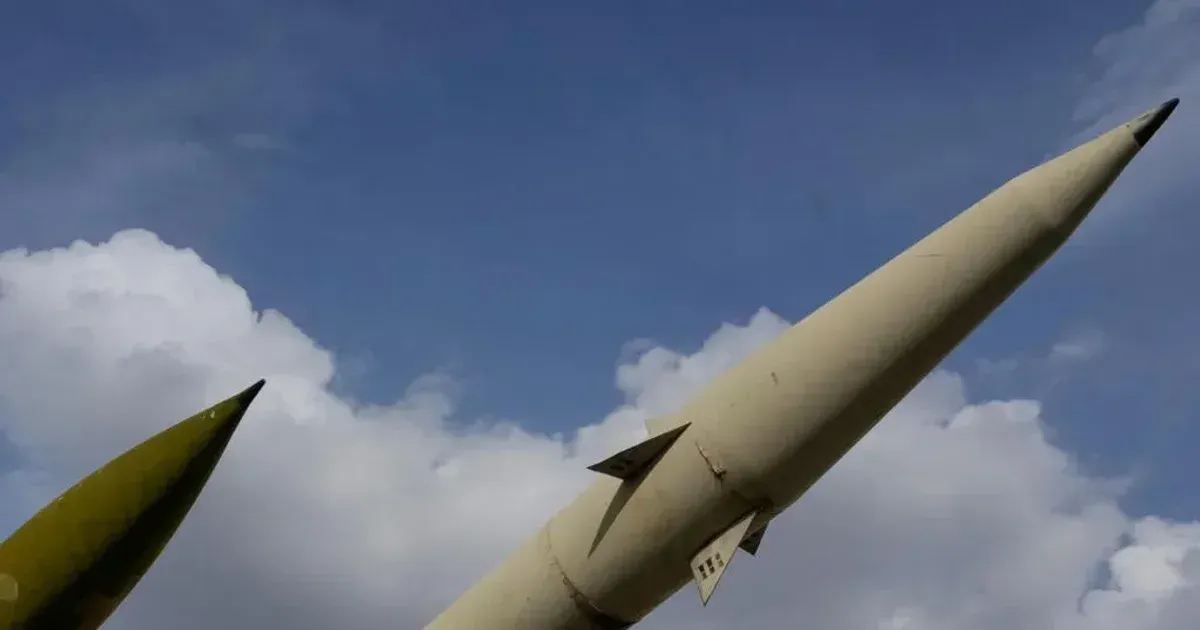
The missile wave widened the conflict map across Israel and Gulf-linked facilities. That puts air defense, diplomacy and retaliation risk together. The next step matters. By March 27, 2026, the update had entered the public record. Iran launched a major wave of missile and drone strikes against Israel and multiple US-linked military facilities on March 27, 2026. Revolutionary Guard commanders confirmed the previous day that their forces executed coordinated attacks targeting airfields and air defense maintenance hubs across the Persian Gulf. Impacts were recorded in the United Arab Emirates, Qatar, Kuwait, and Bahrain. These operations represent a sharp expansion of the current theater of hostilities, specifically aiming to dismantle the logistics of American defense systems in the region.
Tehran officials stated that the strikes specifically focused on a Patriot air-defense maintenance facility. Military hardware at these sites provides critical support for the interceptor batteries that protect both US personnel and regional energy infrastructure. Early assessments suggest several projectiles bypassed local defense screens to reach their intended coordinates. Hostilities have now spilled beyond the immediate borders of the Levant, dragging Gulf Cooperation Council members into a direct kinetic confrontation.
Revolutionary Guard Targets Patriot Defense Facilities
Drones and ballistic missiles originated from multiple launch points within Iranian territory during the late-night operation. Security sources in the Gulf reported that the United Arab Emirates experienced major activity near its northern industrial zones. Qatar and Bahrain also reported airspace violations as interceptors rose to meet incoming threats. The Islamic Revolutionary Guard Corps issued a statement characterizing the action as a necessary response to ongoing Western interference in regional security arrangements.
Military analysts suggest that hitting maintenance hubs is a calculated strategy to degrade long-term defensive capabilities. Patriot missile systems require specialized parts and technicians to remain operational against high-speed ballistic threats. By targeting the repair infrastructure, Iranian planners hope to create gaps in the regional shield that cannot be easily closed through simple replenishment of missile stocks. Technicians at these facilities often include a mix of active-duty US military personnel and private defense contractors.
The selection of targets in Kuwait and Bahrain places immense pressure on the bilateral defense treaties between those nations and Washington. Bases like Al Udeid in Qatar and Camp Arifjan in Kuwait have long been the backbone of American power projection in the Middle East. If these sovereign territories are no longer safe from conventional missile reach, the cost of hosting US forces may soon outweigh the security benefits perceived by local monarchies. Damage reports from the Patriot maintenance site remain classified as of Friday morning.
United Nations Protests Over Gulf Airspace Usage
Amir Saeid Iravani, Iran's Permanent Representative to the United Nations, submitted formal protests to the international body on March 27, 2026. Two separate letters were delivered to the United Nations Security Council and Secretary-General Antonio Guterres regarding the conduct of Western forces. Iranian leadership contends that the United States is illegally using the territory and airspace of Gulf states to enable aggression. These diplomatic filings argue that such actions violate international law and the sovereignty of neutral parties. The filings also landed as Washington continued weighing possible strikes on Iranian oil and power infrastructure.
According to reports from TASS, the Iranian delegation warned that any nation providing a launchpad for attacks will be treated as a legitimate military target. This legal framing is the justification for the recent strikes on facilities in Bahrain and Qatar. Tehran maintains that it is exercising its right to self-defense under Article 51 of the UN Charter. International observers see these letters as a precursor to even wider military engagements if diplomatic de-escalation fails.
"the attacks, completely unjustified, came without a declaration of war"
Russian Foreign Minister Sergey Lavrov joined the diplomatic fray by condemning recent US and Israeli maneuvers. Lavrov described the Western military actions as a form of backstabbing, particularly because they occurred while sensitive negotiations were reportedly underway. Moscow has positioned itself as a vocal critic of the current escalation, suggesting that the lack of a formal declaration of war undermines the global rules-based order. Russian officials argue that the West is focusing on kinetic solutions over the difficult work of territorial compromise.
White House Strategy and Infrastructure Strike Pauses
Donald Trump issued a new directive on March 27, 2026, extending a pause on attacks against Iranian power infrastructure by an additional ten days. This decision comes as the White House weighs the potential humanitarian impact of a total grid collapse in Iran. While the moratorium on civilian infrastructure remains in place, military-to-military engagements show no signs of slowing down. The 10-day extension is viewed by some as a final window for Tehran to accept terms for a ceasefire. Yet the deadlock between the two nations remains firm. Negotiators in neutral venues have reported a hardening of positions on both sides. Washington demands a total cessation of drone exports and a dismantling of the regional militia network. By contrast, Tehran insists on the immediate withdrawal of all US forces from the Persian Gulf and the lifting of all primary and secondary sanctions. Neither side has shown a willingness to blink first in this high-stakes standoff.
On another front, the internal pressure on the Trump administration is mounting as fuel prices fluctuate in response to the Gulf instability. American voters remain wary of a protracted conflict that could impact domestic economic stability. The decision to spare Iranian power plants for another ten days might be a tactical move to maintain international support while preparing for more focused military strikes. Future targets may include command-and-control centers or hardened missile silos buried deep within the Iranian interior.
The United Nations Security Council has been unable to pass a binding resolution to end the fighting. Veto-wielding members remain divided along traditional geopolitical lines, with Moscow and Beijing resisting any measures that place sole blame on Tehran. The current deadlock ensures that the military momentum on the ground will continue to dictate the terms of any eventual settlement. With the Patriot maintenance facility damaged, the regional balance of power is shifting into an era of high-intensity attrition.
Gulf Missile Escalation
The danger is escalation by geography. A strike on one facility can pull in airspace, bases, shipping routes and allied governments.
The next signal is whether the parties treat the missile wave as a warning shot or as the start of a wider operational phase.